


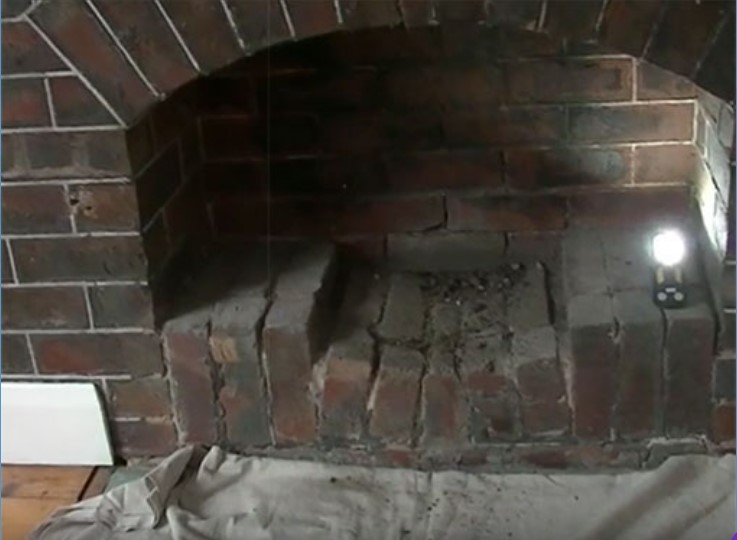
Open fireplaces are beautiful. Open chimneys are trouble. When your fire is not in use, your chimney is still open. That means warm air can escape straight up in winter, while cold air, dust, soot, smells, noise and insects can come back down like they were invited.
So yes, your fireplace may be charming. But your chimney may also be a great big hole from your living room to the sky.
Why your lounge never quite warms up
If the room with the fireplace always feels colder, takes ages to heat, or cools down quickly, the chimney deserves suspicion. Your heater may be working perfectly well. The problem is that the room is leaking comfort.
An unused open chimney can let warm air rise out of the house while drawing colder air in to replace it. That makes the room feel unsettled, draughty and harder to heat. You are not just heating the lounge. You may be heating the neighbourhood.
But I don’t use the fireplace
Yes! Exactly. That is the point. A fireplace that exists mostly for candles, vases, Christmas stockings or “character” is another. If the fire is rarely or never used, leaving the chimney open all year can be one of the dumbest comfort leaks in the house.
Signs your chimney is freeloading
Your chimney may be part of the problem if:
- the room feels cold around the fireplace
- you can feel air movement near the hearth
- the fireplace smells sooty or musty
- the room cools down quickly after heating
- there is no working damper
- Dust, insects, bats or birds appear around the fireplace
If you nodded at several of those, your fireplace may not just be decorative. It may be actively unhelpful.
What to do about it
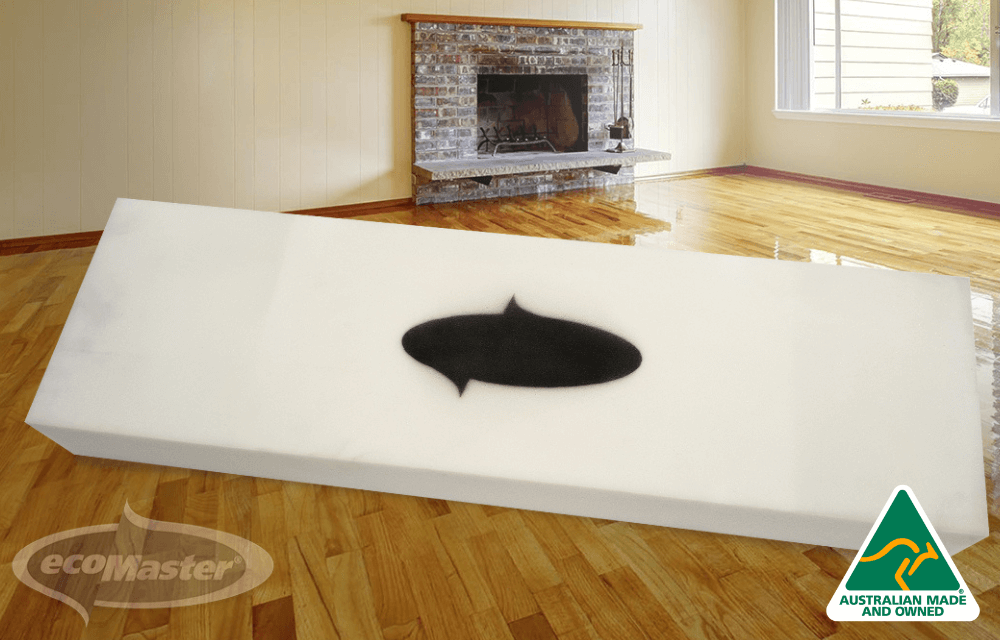
If your fireplace is unused or rarely used, block the chimney when the fire is not in use. You do not need to brick it up or renovate. Please don’t shove an old pillow up there and hope “damp sheep” does not become your new lounge room fragrance.
You need a safe, removable chimney blocker that stops the draught while letting you use the fireplace again, if you ever choose to.
Important safety note
Do not block a chimney or draught proof a room with open-flame, open-flued or unflued gas appliances without professional advice. If you still use the fireplace, the chimney blocker must be removed before lighting a fire.
Keep the fireplace. Block the leak.
Your fireplace can stay beautiful - the mantel can stay. The charm can stay. The uncontrolled air leak does not need to stay. If your open chimney is making the room cold, blocking it safely is one of the quickest draught proofing wins in the house.
Start there.Then move on to the next leak.
Recent Comments