


The Comfort Series: Room-by-Room Rescue
Lounge Room & Living Room
The Lounge Room
Your lounge room should not have one good chair. You know the one - it’s away from the window, out of the draught and close enough to the heater to be comfortable without slowly roasting one side of your body.
Meanwhile, someone else is wrapped in a blanket, someone is complaining that the heater is too hot, the person beside the window can feel cold air around their ankles, and nobody wants to sit near the french door.

Then summer arrives. The sofa beside the west-facing window becomes unusable, the sun heats the walls and ceiling, and the coolest seat in the room becomes the one directly under the air conditioner.
That is not simply a heating or cooling problem. It is a room comfort problem.
Lounge rooms are often the largest and most complicated rooms in the home. They have more glass, more external walls, larger stretches of exposed floor and several openings into hallways, kitchens or dining areas. They may also have fireplaces, sliding doors, high ceilings or stairways quietly carrying warmth away in winter and allowing heat to spread through the home in summer.
But because the lounge is where people naturally gather, it can also be the best place to create a climate safe room: one part of the home that can remain reasonably comfortable during very hot or cold weather without needing to heat or cool the entire house.
That does not mean turning it into a sealed bunker. It means improving the room’s draught proofing, insulation, window performance, shading and zoning so it can hold onto heating and cooling far more effectively.
The result is a lounge that is more comfortable every day—and a safer, more manageable place to retreat to when the weather becomes extreme.
Let’s fix that.
60-Second Room Audit (do this now)
Sit in the place where you normally relax. Do not stand in the middle of the room—your sofa knows far more about the room’s comfort than the thermostat does.
Draughts around your feet and legs
Sit still for a moment. Can you feel moving air around your ankles, legs or the side of your body? Check around external doors, windows, skirting boards and the edges of timber floors.
Why it matters: Cold air settles at floor level, so even a small leak can make the whole room feel uncomfortable. Your heater may be warming the air, while draughts keep washing cold air across the place where you sit.

Cold or hot windows
Place the back of your hand near the window beside the sofa. Does it feel noticeably cold in winter or hot in summer, even when it is closed?
Why it matters: In winter, your body loses heat towards the cold glass, which can make the area beside the window feel uncomfortable even when the room air is warm. In summer, sunlight passing through the glass heats the floor, walls and furniture inside the room. Those surfaces then hold and release that heat, keeping the room warmer after the direct sun has moved on.
Gaps around external doors
Look around the edges of any front, back, French or sliding door opening into the lounge room. Can you see daylight? Can you feel air moving around the frame or underneath the door?
Why it matters: External doors can leak a remarkable amount of air. Warm air escapes in winter, hot air enters in summer, and your heating or cooling system has to keep replacing the comfort being lost.
Moving curtains
With the doors and windows closed, watch the curtains. Do they shift, flutter or pull towards the glass?
Why it matters: Moving curtains are often a visible sign of hidden air leakage around the window or door. They may also indicate a strong convection current behind the curtain as warm room air rises, cools against the glass and drops back into the room.
Cold floor edges
Walk around the perimeter of the room in bare feet or socks. Is the floor noticeably colder near external walls, windows or doors?
Why it matters: Cold edges may point to gaps between floorboards, unsealed skirting boards or missing underfloor insulation. These areas continually draw heat away from the room and can make the whole floor feel uncomfortable.

Heating that never quite gets there
Does the heater run for a long time without making the entire lounge comfortable? Is there one good seat while the rest of the room remains cold?
Why it matters: This usually means the room is losing heat too quickly or distributing it badly. More heating may increase the bill without fixing the underlying draughts, cold surfaces or air movement.
The room cools down quickly
Turn the heater off and notice what happens. Does the lounge lose its warmth almost immediately?
Why it matters: A room that cools quickly is not holding onto the heat you have paid to create. Draughts, poor insulation, exposed glass and open connections to the rest of the home may all be carrying that warmth away.
Afternoon summer sun
Does direct afternoon sun hit the windows, floor or furniture? Does the room become much hotter later in the day?
Why it matters: West-facing summer sun brings intense radiant heat into the room. The glass, floor, walls and furniture absorb that heat and release it for hours, leaving the air conditioner to fight a room full of stored heat.
Heating and cooling escaping elsewhere
Is the lounge open to a hallway, kitchen, dining room, stairwell or another large space? Can you feel warm air drifting away from the area you are trying to heat?
Why it matters: Your system may be trying to heat or cool far more space than you realise. Open hallways and stairwells are particularly good at carrying warm air away—often leaving downstairs cold and upstairs too hot.
Unused fireplace or chimney
Is there an open fireplace or chimney in the room that is no longer being used?
Why it matters: An open chimney is a large permanent hole in the room. Warm air rises straight out in winter, while hot air, smells and debris can move back into the house at other times.
Blocked heaters, vents and airflow
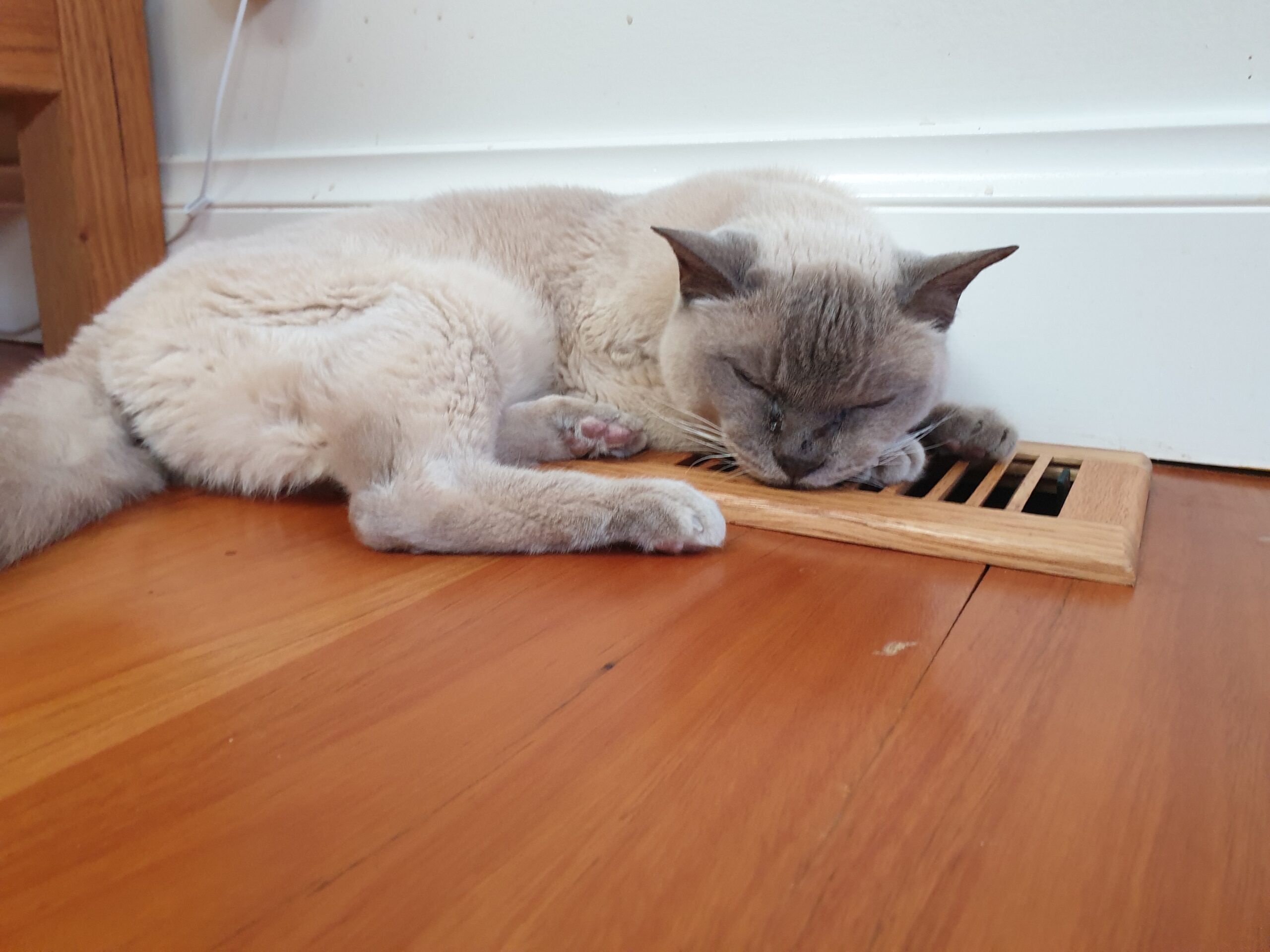
Are sofas, cabinets, curtains or other large pieces of furniture sitting directly in front of a heater, floor vent or air-conditioning outlet? Is a comfortably sleeping cat occupying the warmest air path in the room?
Why it matters: Heating and cooling need room to circulate. Blocked outlets create hot and cold pockets, reduce the effectiveness of the system and can leave the room uncomfortable even while the equipment is working hard. More than occasionally underfloor ducting systems have ‘blown a joint’ and your heating is pouring out underneath your home.
Every “yes” gives you a clue.
The answer is not always more heating or more cooling. First, stop the room from constantly losing the comfort you have already paid to create.
Fast Wins (Less than 10 mins)
These are not complete solutions, but they can make the room feel better immediately.
1) Unblock the heater
Check whether sofas, cabinets, curtains or television units are blocking the heater or interrupting airflow around the room. A heater cannot warm the room effectively if most of its heat is disappearing behind the couch, or the cat has discovered that the floor vent is the very best place in the house - and it is exclusively hers!
In summer, make sure furniture is not blocking the air conditioner or preventing cooled air from circulating through the occupied part of the room.
2) Close internal doors
Your lounge room may be trying to heat the hallway, kitchen, laundry and upstairs landing at the same time. Close doors to rooms that are not being used. Where there is no door, consider whether the opening can be temporarily or permanently zoned.
A noren curtain can be a simple option for an open doorway (ok - this may take longer than 10 mins). Traditionally used in Japanese homes and businesses, noren are split fabric curtains that allow people to pass through while helping to interrupt the free movement of air between spaces.
They will not seal a doorway as tightly as a door, but they can provide useful, flexible zoning without making the space feel completely closed off. A smaller area is quicker and cheaper to make comfortable. They are surprisingly effective! (Click the images to zoom)
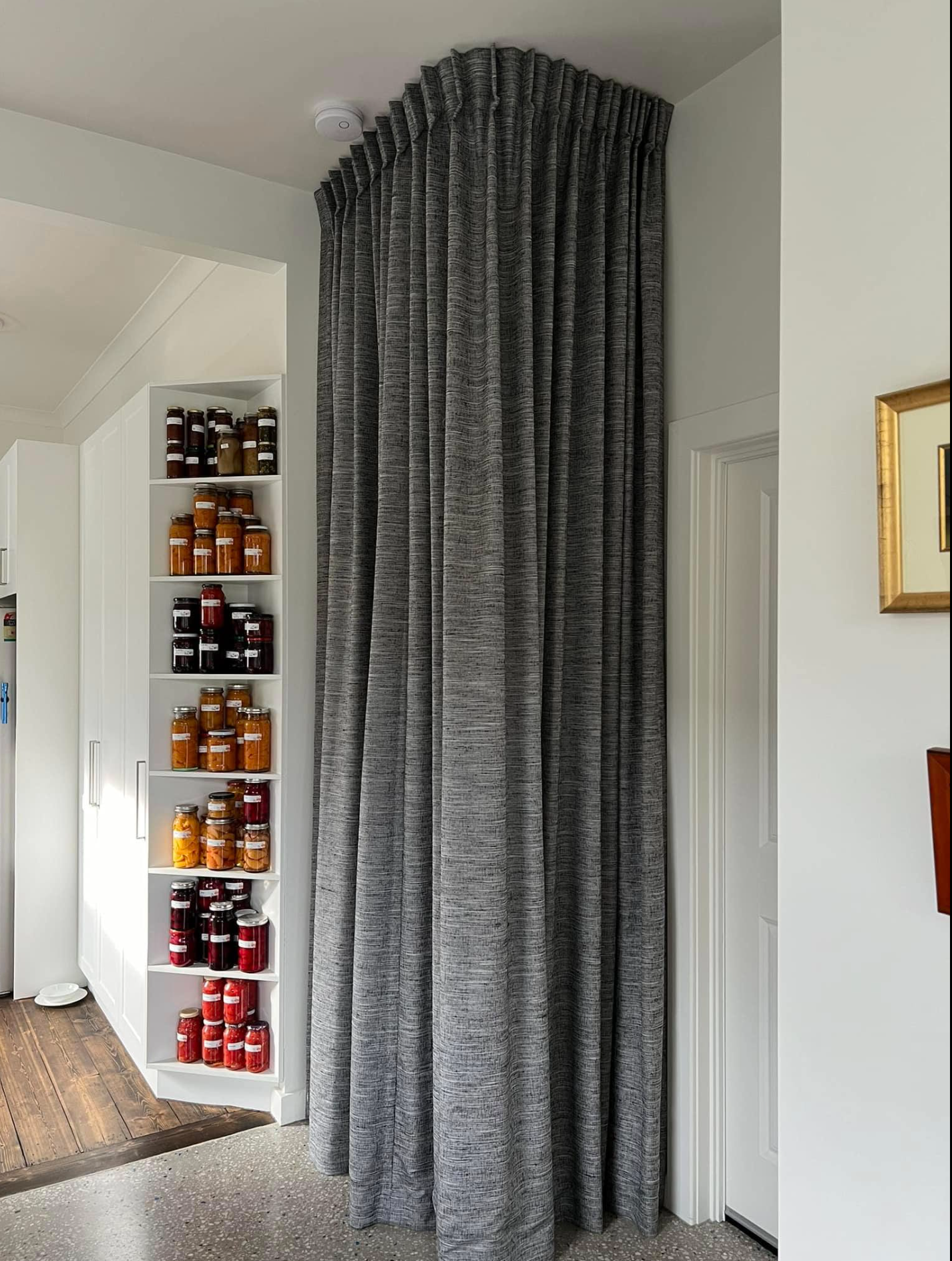
Noren Curtain closed
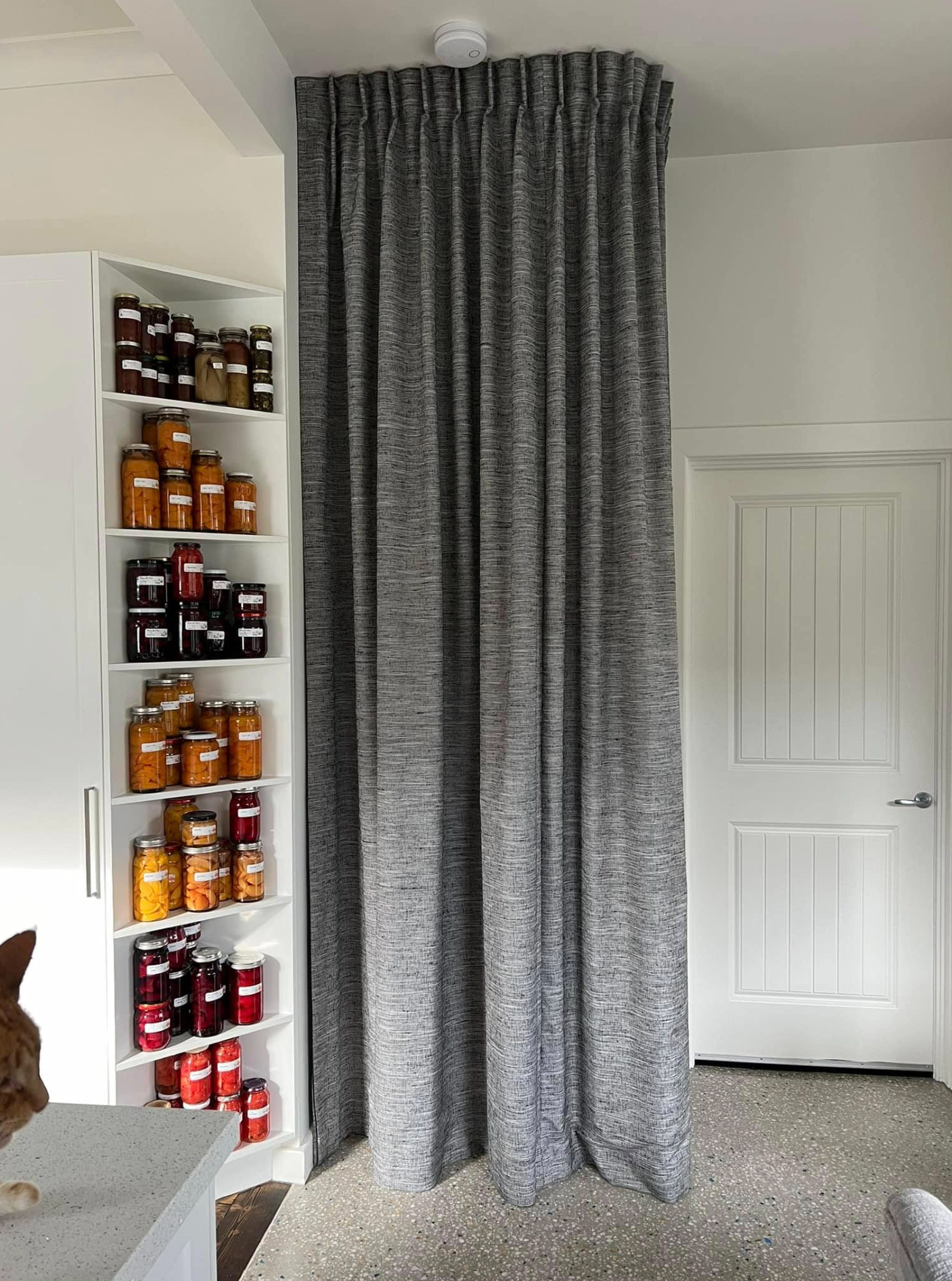
Noren Curtains closed with cat
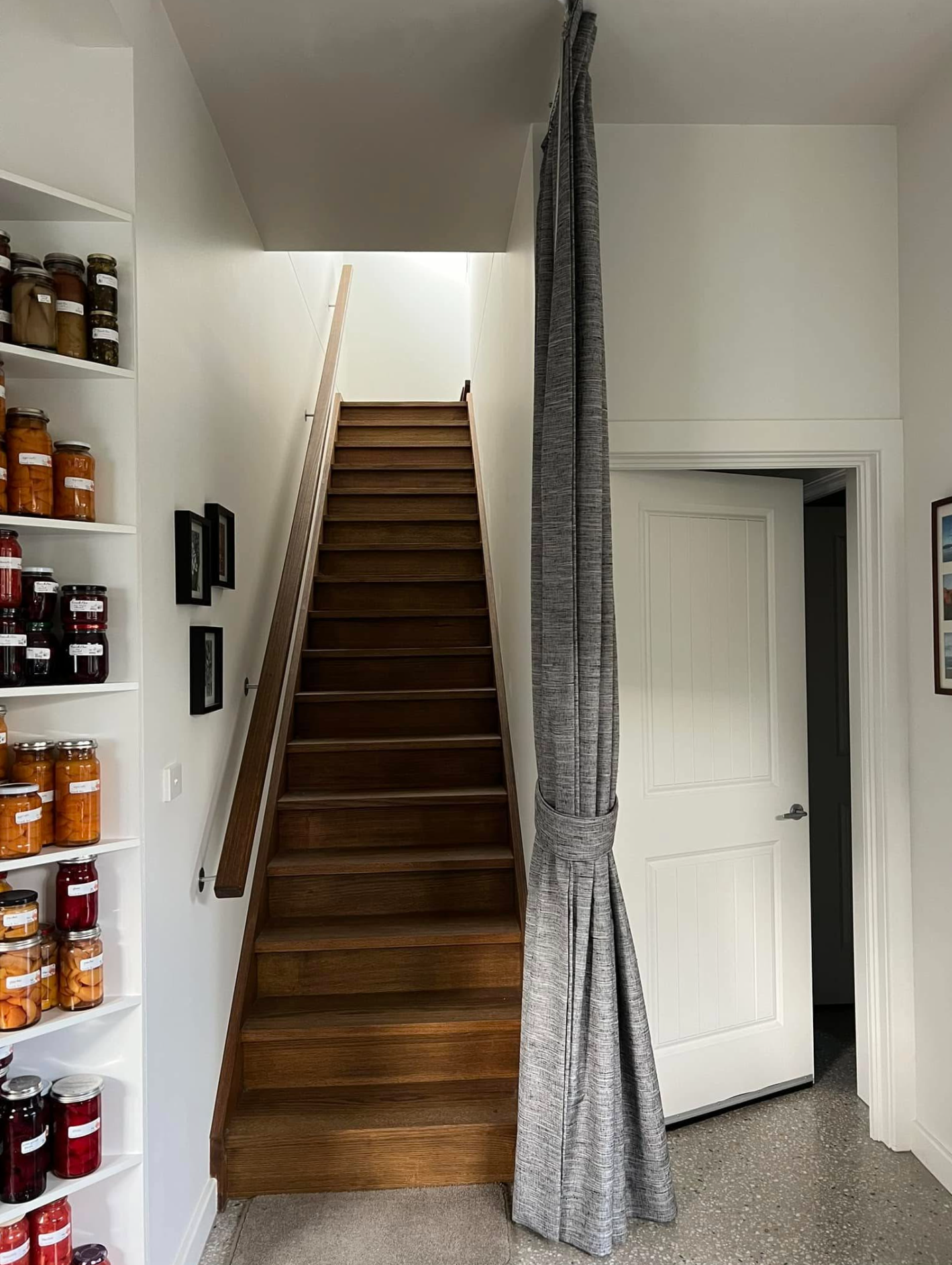
Noren Curtains Open
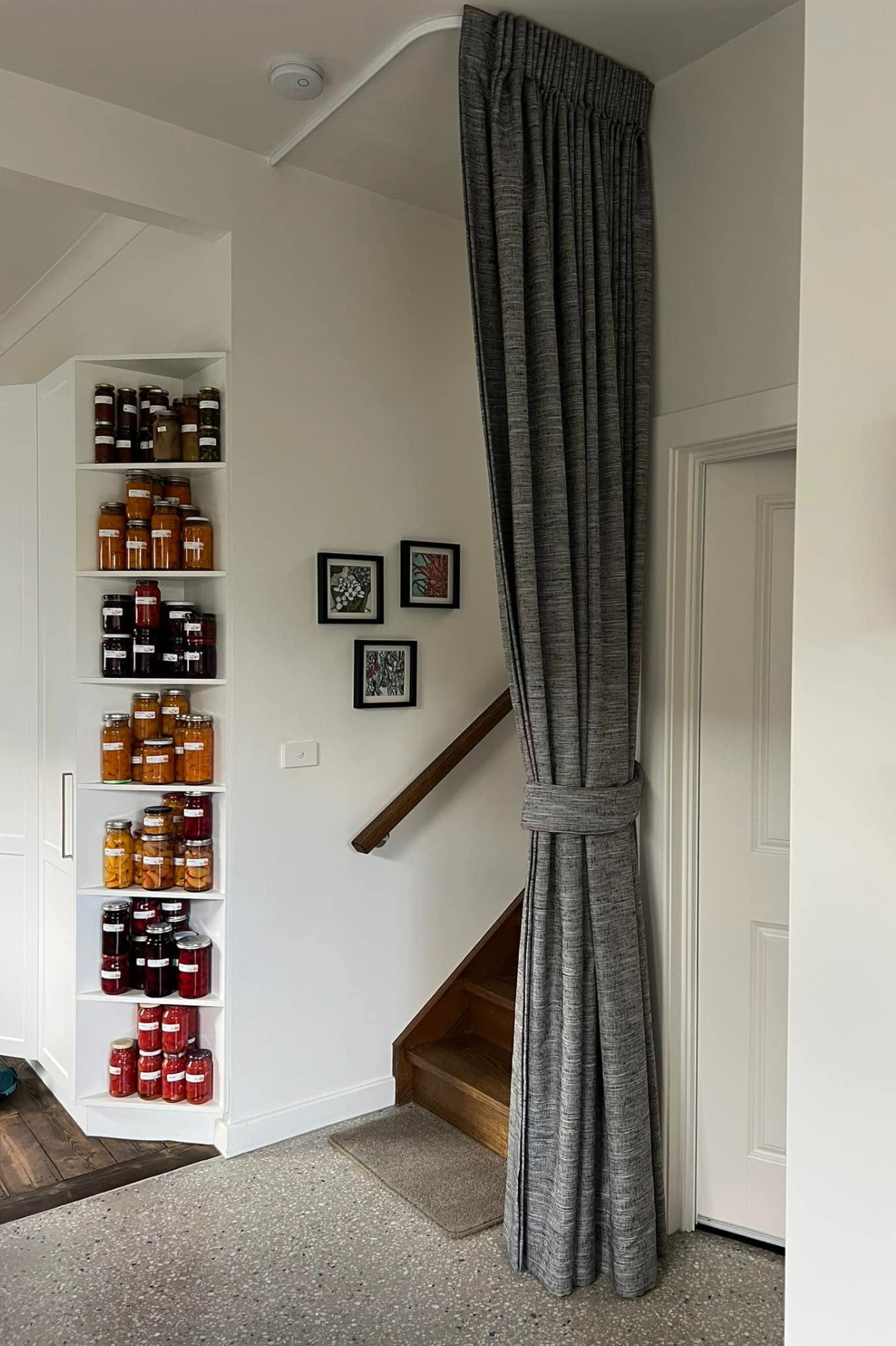
Noren Curtains Tied Back
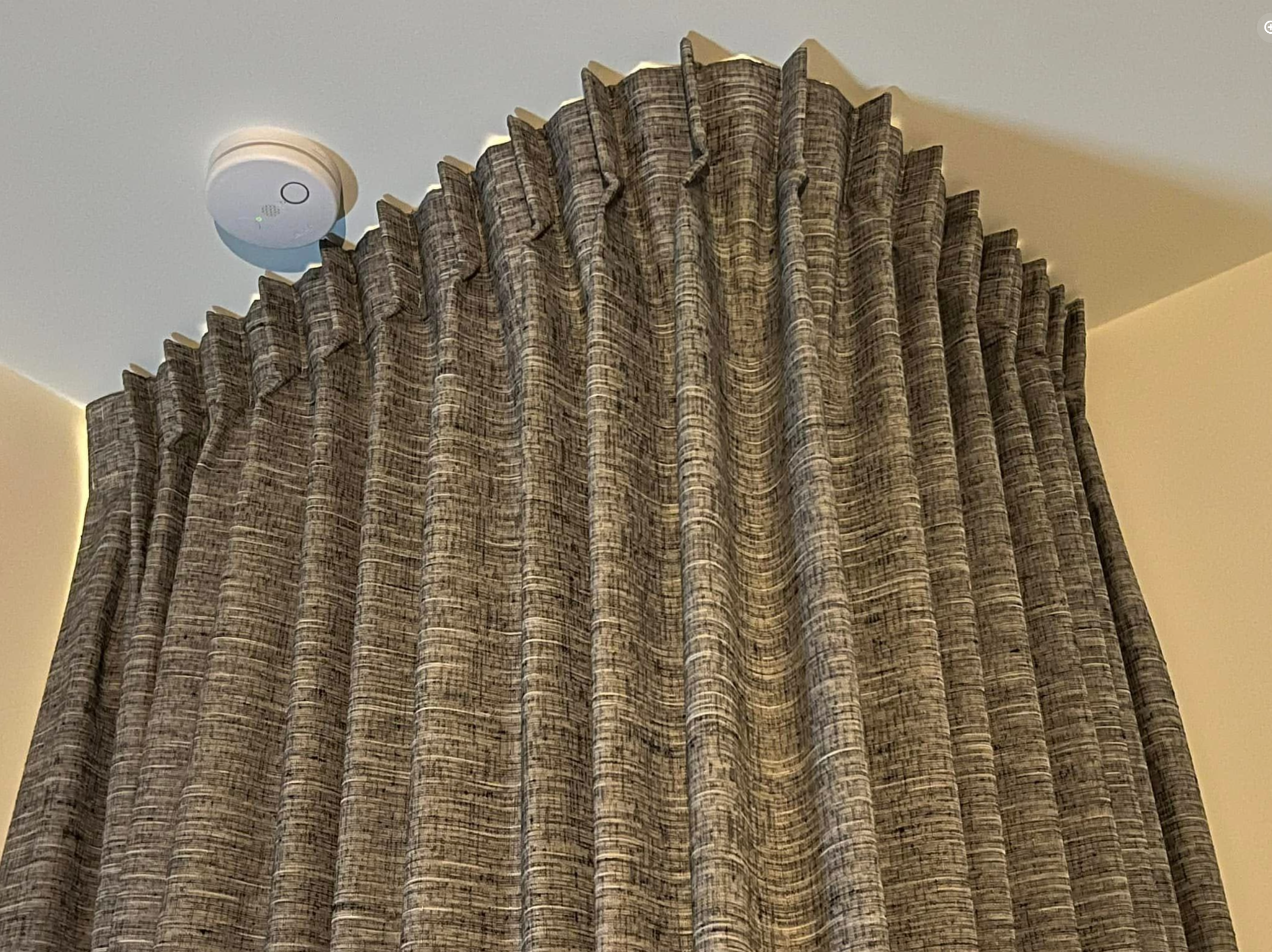
Noren Curtains Top
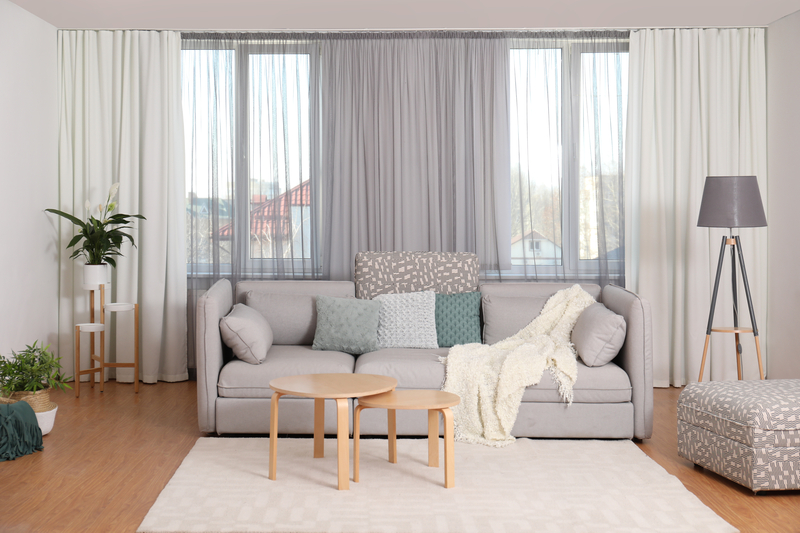
3) Check your curtains
Curtains should cover the full window rather than finishing at the glass or leaving large gaps at the sides.
Close them before the room becomes cold on winter evenings. In summer, close them before direct sun reaches the glass, not after the room has already overheated.
Make sure sofas and tables are not holding the curtains away from the wall.
4) Find the moving air
On a windy day, use the smoke from an incense stick or the flame from a tea-light candle to make air movement visible.
Slowly and carefully move it around:
- window frames
- sliding doors
- external doors
- skirting boards
- floorboard edges
- wall vents
- fireplaces
- heating outlets
- penetrations for cables and pipes
Watch for smoke being pulled sideways or a flame flickering towards or away from a gap. You are looking for moving air, not simply a surface that feels cold. Once you know where the draught is entering, you can choose the correct repair rather than randomly adding weather stripping and hoping for the best.
OH&S Note: Keep any flame well clear of curtains, timber, insulation and other combustible materials, and never leave it unattended.
5) Use rugs for immediate comfort
A rug will not insulate the whole floor, but it can make the area around the sofa feel less harsh underfoot while you plan a proper solution. It is a comfort aid, not a substitute for underfloor insulation.
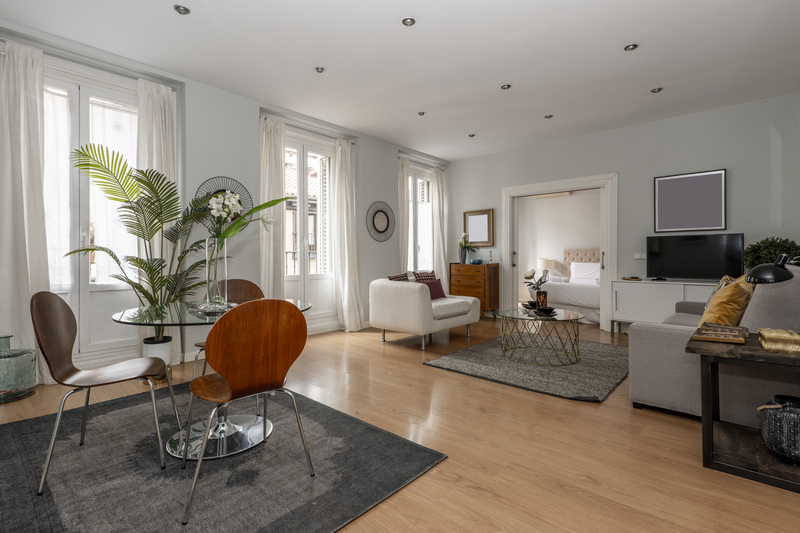
The Big Lounge Room Problems
Large windows and too much glass
Lounge rooms often contain the biggest windows in the house. That may be wonderful for daylight and views, but glass is a weak point in the building envelope. In winter, warmth moves towards the colder window. In summer, direct sunlight passing through the glass can heat the surfaces and fade furnishings inside the room.
The first step is to check for draughts around the window itself. Sealing moving air is different from improving the insulating performance of the glass, and many lounge rooms need both.
Useful improvements may include:
- repairing or improving window seals
- installing well-fitted curtains
- adding pelmets to reduce air circulation behind curtains
- installing secondary glazing or replacement double glazing
- using external shading to stop summer sun before it reaches the glass
Curtains help most when they sit close to the wall and reduce airflow around the window. A large open gap above the curtain allows warm room air to fall behind it, cool against the glass and spill back into the room at floor level. That is why a lounge can feel draughty near a window even when the window itself is shut.
Sliding doors, French doors and external doors
A lounge room may have more doors to the outside than any other room in the home. Sliding doors can leak around several edges. French doors have a meeting point between the two doors as well as the outer frame. Hinged external doors may leak along the sides and top, not just underneath.
A door snake may slow some air at floor level, but it does nothing about draughts entering around the rest of the door.
Proper draught proofing means identifying the door type and sealing all the appropriate edges without making the door difficult to open or close.
Pay particular attention to:
- the sides and top of hinged doors
- the gap beneath the door
- the meeting point between French doors
- the frames and tracks of sliding doors
- worn seals around glazed doors
- doors opening towards frequently occupied seating areas
A small gap can create a surprisingly strong stream of cold air when wind pressure is pushing against that side of the house. Not sure which option to choose - try here
Cold floors
Lounge rooms often have a large expanse of exposed timber floor.
Because people spend long periods sitting still in this room, cold air and cold surfaces at floor level are particularly noticeable. Your head may be in warm air while your feet remain in the coldest part of the room.
Where there is an accessible subfloor, underfloor insulation can reduce heat loss through the floor and make the surface temperature more comfortable.
It can also help in summer by reducing heat transfer from hot air beneath the home.
Underfloor insulation will not fix air leaking through gaps around skirting boards, plumbing penetrations or damaged floorboards. Those draughts need to be located and addressed separately.
The best result comes from dealing with both:
- air leakage, and
- heat transfer through the floor.
Open-plan heat escape
Open-plan living looks spacious, but heat does not understand interior design.
Warm air moves into adjoining kitchens, dining rooms, hallways and stairwells. If the lounge opens directly onto a large part of the house, your heater may be doing far more work than you realise.
Look at where the warmth can go.
Could an existing door be closed? Could a doorway be reinstated? Could a noren curtain, heavier curtain or other practical divider create a smaller winter zone?
You do not necessarily need to seal off the room permanently. You need the ability to control the area being heated or cooled when conditions are extreme.
Zoning is particularly useful in older homes where one heater is expected to warm a long chain of connected rooms.
Unused fireplaces and chimneys
An open chimney is a large permanent opening from the lounge room to outside.
In winter, warm indoor air can rise through the chimney while replacement air is pulled into the home through gaps elsewhere. In summer, hot or smoky outside air may enter through the same opening, depending on conditions.
If the fireplace is no longer used, it should be safely and reversibly sealed with a purpose-made chimney draught stopper.
Do not permanently seal a fireplace that is still in use, and always remove the stopper before lighting a fire. A fireplace may be beautiful. It does not need to remain a permanently open hole in the room.
Ceilings and heat rising away
A large lounge room with a high ceiling can hold an impressive amount of warm air, most of it well above the people sitting in the room.
Warm air rises, which is particularly unhelpful in winter. The heater may be working hard while much of the warmth gathers near the ceiling rather than around the people using the room.
Ceiling insulation is essential for slowing heat loss in winter and reducing heat entering from the roof space in summer.
Also check:
- whether insulation is present and in good condition
- gaps around ceiling penetrations
- unsealed exhaust fans
- old heating or cooling vents
- downlights and other openings
- ceiling access hatches
A large ceiling fan revolving slowly can make an enormous difference. It uses very little power, operates quietly and helps homogenise the air temperature throughout your room.
In winter, it brings trapped warmth down from the ceiling. In summer, it prevents cooler air from sitting at floor level and brings it up through the height of your room. A well-positioned ceiling fan can operate slowly for long periods without creating the wind-tunnel effect of a fan running at full speed.
Our “Big Ass” ceiling fan has been running continuously since 2016 and is only stopped for cleaning. It operates silently, stirring the air to keep an even temperature from ceiling to floor. Testing with a thermal camera shows just 0.5 degrees difference between ceiling, walls and floor.
Draught proofing does not replace ventilation
Before draught proofing, many older homes ventilate themselves constantly through gaps around doors, windows, floors, vents and chimneys.
Unfortunately, they do this whether ventilation is needed or not - day and night, through winter winds, summer heat and bushfire smoke.
Once the worst gaps are sealed, you gain control over where and when air enters your home. That does not mean the home no longer needs fresh air.
People, pets, cooking, showers and even breathing add moisture and pollutants to the indoor air. Without regular ventilation, that moisture can build up and contribute to condensation and mould.
Open a window. Open a door. Use exhaust fans while cooking and showering. Ventilate when the outdoor conditions are suitable.
Draught proofing is not magic. It replaces uncontrolled, permanent leakage with ventilation (and a heating / cooling bill) that you control.
Weekend Fixes (that actually work)
1) Draught-proof your external doors
When to choose it: Choose this when you can feel moving air around the sides, top or bottom of an external door, see daylight around the frame, or notice that the area near the door is always colder in winter or hotter in summer. Choose seals designed for the actual door and the size of the gaps.
What it does: A well-sealed external door stops uncontrolled air leaking into and out of the lounge room. The aim is to create a continuous seal around the door while still allowing it to close properly. This helps keep your heating and cooling inside and reduces cold air moving across the floor.
Do not keep adding layers of foam until the door needs to be shoulder-charged to be shut. A properly sealed door should still behave like a door.
2) Draught-proof your windows
Windows can make a lounge room feel bright and open, but they can also be one of its biggest comfort problems. Cold or hot air can leak around sliding, double-hung, casement and awning windows. Gaps between the window frame and the wall can also affect almost any window type. The right window seal depends on how the window opens and where the air is getting through, so the first job is to identify the window type and test each edge for movement.
When to choose it: Choose this when you feel moving air around the window edges, hear the window rattling, see curtains moving when the window is closed, or find dust and insects entering around the frame.
What it does: Window seals stop unwanted air leakage around the moving parts and frame. This helps reduce draughts and keeps conditioned air inside the room. Sealing the window gaps stops unwanted air leakage. It does not insulate the glass itself, so a comfortable lounge may need both effective window seals and a separate solution for heat moving through the glass.
3) Improve the window coverings
When to choose it: Choose this when the lounge feels uncomfortable near the windows, the curtains finish well above the floor, there are large gaps around the edges, or warm air disappears behind the curtains in winter.
What it does: Well-fitted window coverings help reduce the movement of room air against cold glass in winter. They also create another barrier between the room and window surfaces warmed by summer sun.
Add full-length curtains, reduce gaps at the sides and install invisible pelmets above the curtain track. A pelmet is particularly useful because it stops warm room air dropping behind the curtain, cooling against the glass and spilling back into the room.
Check the Ultimate Guide to Windows Coverings - this is everything you ever wanted to know about window coverings - and more!
For direct summer sun, especially on west- and north-facing windows, external shading is generally more effective because it stops the sunlight before it reaches the glass.
4) Seal the unused chimney
When to choose it: Choose this when the lounge has an open chimney or unused fireplace and you can feel cold air near it, hear wind through the flue or notice smell, debris, birds or insects entering the room.
What it does: A chimney draught stopper closes one of the largest potential air leaks in an older lounge room. It helps stop warm air rising out of the house in winter and unwanted outdoor air moving back down the chimney.
This is often one of the quickest and most noticeable comfort improvements available in a room with an unused fireplace. Always remove the chimney draught stopper before lighting a fire.
5) Deal with old vents and penetrations
When to choose it: Choose this when you have old floor heating outlets, unused wall vents, gaps around pipes or cables, or openings left behind by removed equipment.
What it does: Correctly sealing redundant openings stops air leaking into parts of the building that you are not trying to heat or cool. It can also reduce dust, smells and insects entering from wall cavities or beneath the floor.
First determine what the opening does and whether it is still required. Then use the correct method to seal or improve it. Never block a vent required for the safe operation of a gas appliance. Check our guide to vents for everything you need to know before sealing one. Check here for everything you need to know about vents.
6) Create a controllable comfort zone
When to choose it: Choose this when the lounge opens into a hallway, stairwell, kitchen, dining room or unused section of the house, and your heating or cooling seems to disappear into those spaces.
What it does: Zoning reduces the amount of space your heater or air conditioner is being asked to manage. This can help the lounge reach a comfortable temperature sooner and hold it for longer.
Close and draught-proof internal doors where possible. Where there is no door, a well-fitted curtain may help slow the movement of air. Even a modest reduction in the area being conditioned can make the lounge easier and less expensive to heat or cool.
What you’ll feel (immediately)
- A properly improved lounge room should feel:
- more even from one side of the room to the other
- less draughty around doors, windows and floors
- warmer at foot and sofa level in winter
- less harsh beside large areas of glass
- slower to overheat on summer afternoons
- quicker to heat or cool
- more comfortable after the system switches off
- usable in more than one carefully chosen chair
The best result is not a lounge that is technically warm; it is a lounge where nobody needs to ask, “Can we swap seats?” or fighting over who gets to stand closest to the heater.
Budget & Time Snapshot
Free or almost free:
Time: A few minutes
- Move furniture - and sleeping cats - away from heaters and vents (if you can!)
- Close doors to unused rooms
- Close curtains before the temperature drops or direct sun arrives
- Identify the coldest, hottest and draughtiest seats
- Check whether warm air is disappearing into adjoining areas
- Open windows or doors regularly to bring in fresh air
Weekend Upgrades:
Time: An hour to a weekend
- Draught-proof external doors: $-$$ Beginner · ~ 1-2 hours per door
- Draught-proof windows: $ - $$ Beginner · ~30–60 mins per window
- Install invisible pelmets: $ · No special skill · ~30 mins per window
- Seal gaps: $ Beginner · ~20–60 mins per section
- Fit a chimney draught stopper: $ Beginner · ~20–40 mins
- Improve zoning between living areas: $ Beginner · ~20 mins to several hours
- Improve window coverings: $–$$ · Depends on the window
- Add a noren curtain to an open doorway: $ Beginner · ~60 mins
Larger comfort upgrades
How to Make the “Big Ticket Items” Affordable
Time: One or more weekends, depending on the home
- ecoGlaze: $ Beginner - Intermediate DIY install · ~1 hour per window ^
- Underfloor insulation: $$ · Intermediate DIY · varies by access ^
- Ceiling Insulation: $$ · Intermediate DIY · varies by access ^
- Effective external shading: $-$$$ · Depends on aesthetic
^ Insulation can be installed DIY on a room by room basis. This makes the cost quite budget and time friendly.
Improve heating and cooling AFTER the room’s main weaknesses have been addressed.
The ecoMaster team are always available to help. Call 1300 326 627 or jump onto the chat function at www.ecoMasterStore.com.au

Pick Your Room
< Back to Room by Room Overview
- Entryway / Hall
- Bedroom
- Lounge/Living (you are here)
- Kitchen
- Study / Home Office / WFH (coming soon)
- Bathroom & Laundry (coming soon)
How to Make the “Big Ticket Items” Affordable
