


Table of Contents
The simple checks that help you choose the right draught proofing solution the first time
Before you buy a door seal, please do one thing. Please do not guess. We know. Very bossy of us.
But door gaps are sneaky little things. They can look simple from across the room and then turn into a full-blown mystery once you get up close. A door might be tight at the top, gappy at the bottom, wider on the latch side, weird near the hinge, and doing something completely unhelpful in the bottom corner.
Which is exactly why one-size-fits-all door sealing so often becomes one-size-fits-nothing.
So before you buy a door seal, grab a ruler, a torch and your phone. Your door is about to tell you what it needs.
Why Measuring Your Door Gaps Matters
Most doors are not perfectly square. We would love them to be. Truly. It would make everyone’s lives easier. But real Australian homes have real Australian doors, and real doors often have uneven gaps.
The door may have moved over time.
The frame may not be square.
The house may have shifted.
The hinges may be tired.
The threshold may be worn.
The door may have swollen, shrunk, dropped, twisted, or simply developed opinions.
This is normal. But it matters because different gaps need different sealing solutions. If you use a seal that is too thin, it will not close the gap. If you use a seal that is too thick, the door may become hard to shut.
And if you use cheap sticky foam that is the same thickness all the way around, it may work in one spot and fail spectacularly in another.
That is usually when someone starts shoulder-checking the door like it owes them money. Not ideal.
What You’ll Need
This is not a complicated job. You do not need a toolbox big enough to frighten the dog.

You just need:
- a ruler or tape measure
- a torch
- your phone camera
- a piece of paper or notes app
- a little patience
- possibly a cup of coffee, because door gaps are more interesting with coffee
If you have someone who can stand on the other side of the door and shine a torch, even better. They may also like a coffee. If not, you can still do a very useful check on your own, and have two coffees!
Step 1: Look at the Whole Door
First, stand back and look at the entire door. Not just the gap at the bottom. The whole door.
Check whether you can see daylight around:
- the latch side
- the hinge side
- the top
- the bottom
- the bottom corners
The bottom gap often gets all the attention because that is where you feel cold air around your ankles.
But door draughts are not always polite enough to come from one place. They can come through the gaps you never noticed because the door snake was hogging all the drama.
So start with the whole picture.
Step 2: Check the Latch Side
The latch side is the side where the handle and lock are.
This is a common place for draughts because the door needs enough space to open and close properly.
Look down the full length of the latch side.
Ask yourself:
- Is the gap even from top to bottom?
- Is it wider in the middle?
- Is it tighter near the top?
- Can you see daylight?
- Can you feel air movement?
- Is there a dust trail along the edge?
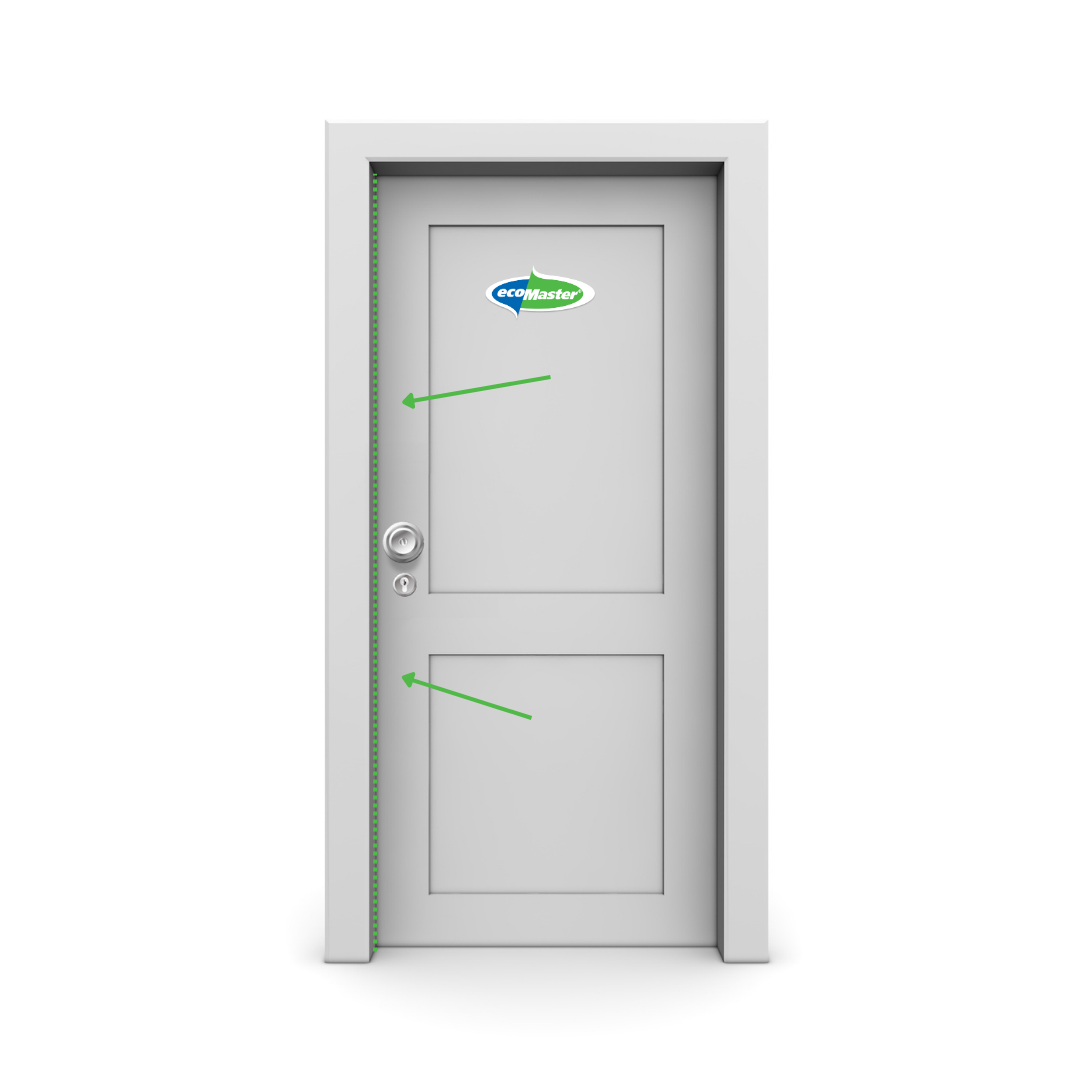
A dusty line down the latch side often means air has been moving through that gap for some time. A little insulting. Quite informative.
Step 3: Check the Hinge Side
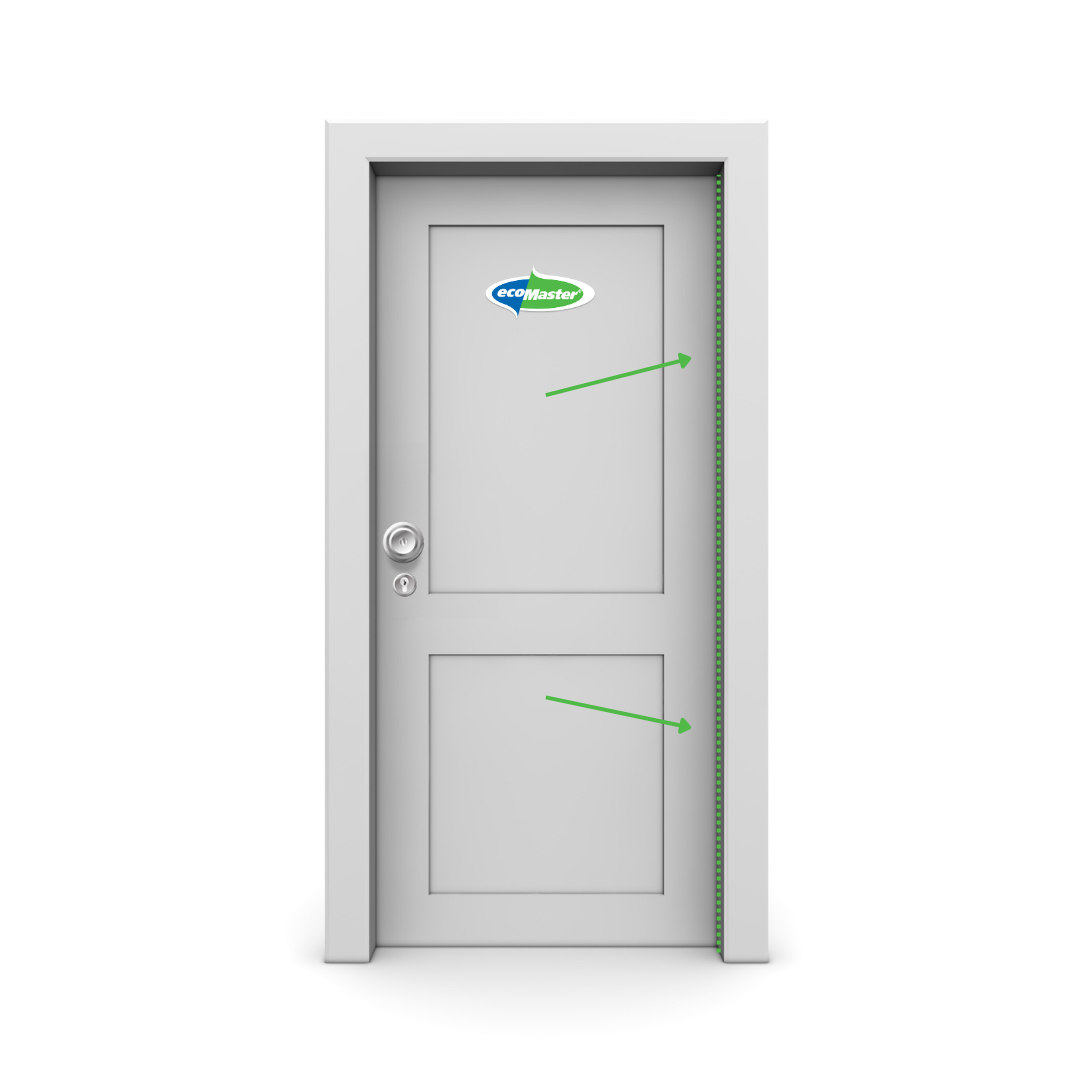
Now check the hinge side.
This side can be trickier because the door swings from here, so the gap behaves differently when the door opens and closes.
Look carefully down the hinge side and check:
- whether the door rubs anywhere
- whether the gap changes from top to bottom
- whether the hinges look loose or tired
- whether you can see daylight
- whether dust has collected along the frame
If the door is already rubbing or hard to close, that is important.
A draught seal should not turn a slightly annoying door into a full-contact sport. If the door already has closing problems, you must deal with the door movement or door hardware before choosing a seal. Draught proofing a door will not fix a door that is sticking or jamming - sorry. ????
Step 4: Check Across the Top
The top of the door is easy to ignore. Mostly because it is up there minding its own business. For those of us who are ‘vertically challenged’, the top of the door is an after thought.
But warm air rises, air pressure changes, wind pushes, and gaps across the top can still contribute to draughts and heat loss.
Run your hand near the top of the door on a windy day, or shine a torch from the other side if you can.
Look for:
- daylight
- dust trails
- uneven gaps
- gaps that are wider on one side
- old or damaged seals
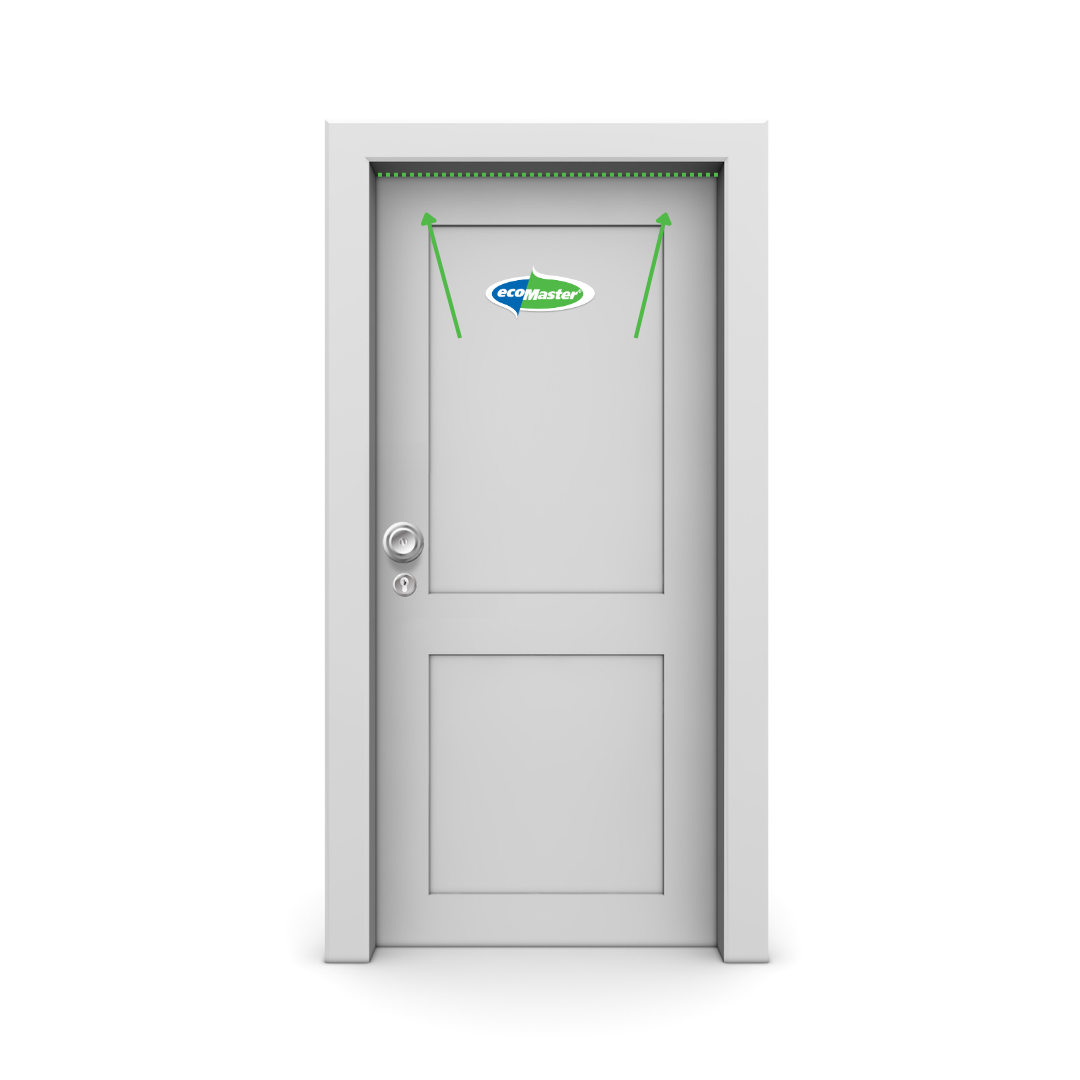
If the top gap is open, a bottom-only seal will not solve the problem. That would be like putting a lid on the bottom of a lunchbox.
Creative, but not useful.
Step 5: Measure the Bottom Gap
Now we can look at the bottom.
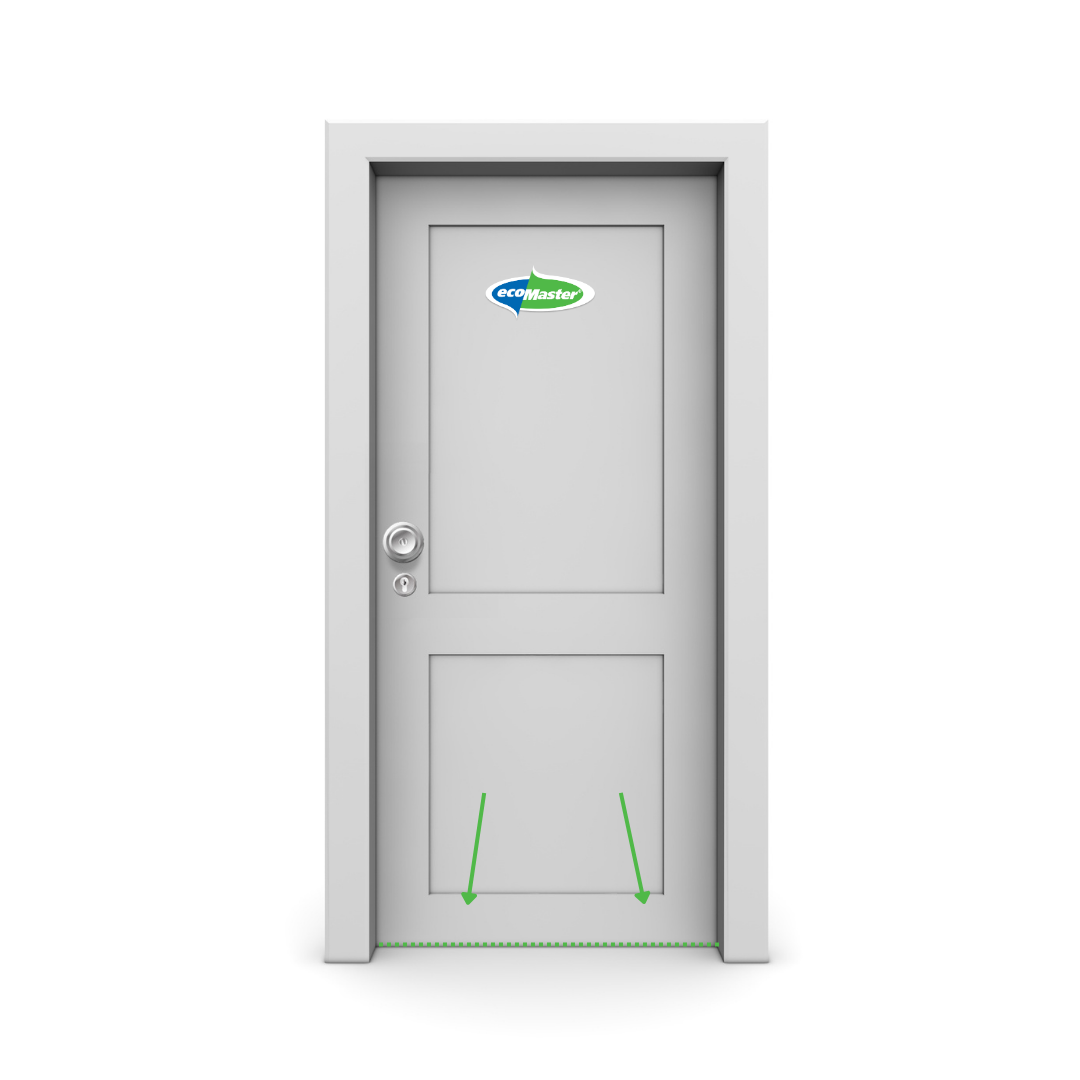
This is the gap most people notice first, and yes, it matters. Measure the space between the bottom of the door and the floor, threshold or sill.
Check the gap at:
- the left corner
- the middle
- the right corner
Do not assume the gap is the same all the way across. It often isn’t - actually, it mostly isn’t.
One side might be 5mm.
The other side might be 12mm.
The middle might be doing its own thing entirely.
This matters because the right bottom seal needs to suit the largest part of the gap without making the door drag, scrape or refuse to close.
Step 6: Check the Bottom Corners
Bottom corners are sneaky.
They are often where air gets through even when someone has already tried to seal the bottom of the door.
A door snake may sit along the floor, but it often does not seal the corner where the door, frame and threshold meet.
That corner gap can still let in all the usual suspects: cold / hot air, dust, insects, smoke, leaves and general outdoor nonsense that you don’t want in your home.
So check both bottom corners carefully. If you can see daylight or dust has collected there, that is a clue.
Your door has entered evidence into the record.
Step 7: Check How the Door Opens
Before choosing a door seal, check how the door opens.
Does it open inward or outward?
Is it:
- a front door?
- a back door?
- a laundry door?
- a garage access door?
- a French door?
- a sliding door?
- a cavity sliding door?
- an internal door?
- a door that needs a BAL-rated solution?
- a door that needs an acoustic solution?
Different doors need different approaches.
A product that works beautifully on a standard external door WILL NOT be right for French doors. A cavity sliding door needs a very different solution. A BAL-rated situation needs the right product for that requirement.
This is why “just grab a strip of something sticky” is not a door sealing strategy. It is a gamble.
Step 8: Take Photos Before Asking for Help
If you are not sure which door seal you need, photos are incredibly helpful. Not moody, artistic photos. Useful photos.
The kind that show the door, the frame, the gaps and what is actually going on.
Before contacting us, take these five photos:
- The whole door from inside the room
So we can see the full door, frame and threshold. - The latch side close up
Especially where the gap is largest or where you feel air coming through. - The hinge side close up
This helps show how the door sits in the frame. - The bottom gap and threshold
Take one photo with the door closed and one with the door open if possible. - The worst gap
If there is one spot that is clearly the problem child, photograph that.
Bonus points if you include a ruler or tape measure in the photo.
Gold star if the photo is in focus. We are very generous with gold stars. ????
Step 9: Write Down the Gap Sizes
You do not need a fancy diagram. Just note the approximate gap sizes.
For example:
- latch side top: 3mm
- latch side middle: 6mm
- latch side bottom: 9mm
- top gap: 4mm
- bottom gap: 12mm
- bottom right corner: daylight visible
This gives you a much better chance of choosing the right product.
It also helps avoid the classic mistake of buying a seal based only on the largest gap, then discovering the door will not close where the gap is smaller.
That is exactly why cheap sticky foam often causes trouble. The door gap is uneven. The foam is not. The door wins. The foam peels off in disgrace. Or the door cannot be closed, resulting in a panicked phone call for support, just before the taxi arrives, for your overseas holiday.
What Your Measurements Might Mean
Once you have checked your door, you will probably fall into one of these groups.
If the gaps are around the top and sides:
You likely need a proper perimeter sealing solution. This is where products like Draught Dodgers or a full external door draught proofing kit may be the right starting point, depending on your door type and gap sizes.
If the biggest gap is only at the bottom:
You may need a door bottom seal, sweep seal, brush seal or automatic drop-down seal. But check the sides and top first. Bottom-only solutions are useful when the bottom is genuinely the main issue. They are not a complete fix for a door that leaks around the whole frame.
If the gaps are uneven:
This is very common. Do not panic. Uneven gaps are exactly why proper door sealing systems exist. The important thing is to choose a product that can deal with real door gaps, not imaginary perfect ones.
If you have French doors:
French doors need their own approach because you are dealing with two doors meeting in the middle, plus the top, bottom and sides. Do not treat them like a single standard door. That way lies frustration. And tears. Lots of tears.
If you have a cavity sliding door:
Cavity sliding doors are a special kind of draughty mischief. They often need a specific cavity sliding door sealing solution because the door moves into the wall cavity. A standard hinged-door seal is not the right answer.
If you need a BAL-rated option:
If your home needs a BAL-rated solution, choose very carefully.
If noise is part of the problem:
Air gaps are sound gaps too. If your door lets in traffic, hallway or neighbour noise, sealing the sides, top and bottom can help reduce the amount of sound sneaking through. It will not turn your door into a soundproof studio, but it can make a noticeable difference when the gaps are part of the problem.
This is one of those times where guessing is not your friend. If you are still not sure. Send photos. Seriously. A few clear photos can save a lot of confusion, back-and-forth, and accidental purchases of the wrong thing.
Your door may be quirky, but we have seen a lot of quirky doors.
The Biggest Mistake: Only Measuring the Bottom
We understand why people do this. The bottom gap is obvious. You feel the draught on your feet. You see the daylight. You blame the bottom of the door. You buy something for the bottom of the door.
But if air is also coming through the sides and top, the room will still feel draughty. This is why people get frustrated after buying a door snake or bottom seal. They fixed the bit they noticed. They did not fix the whole problem. A draughty door is often a whole-door issue.
So measure the whole door. Your ankles will thank you.
The Second Biggest Mistake: Buying the Thickest Seal You Can Find
This seems logical. Big gap = big seal. But if the gap is uneven, a thick seal may be too thick in the tighter spots. That can make the door hard to close. Very hard to close. Hard enough that your family starts developing strong opinions about your weekend DIY decisions.
The right seal needs to close the gap without fighting the door. That is the sweet spot. Not too thin. Not too thick. Not stuck on in blind hope.
Just right for the door you actually have.
Ready to Choose the Right Door Seal?
Once you have measured your gaps, the next step is matching your door to the right draught proofing solution.
The important thing is that you are choosing based on your actual door - not what looked vaguely useful on a hardware shelf. To make that easier, we have put together a plain-English guide:
Choosing the Right Solution for Your Draughty Door
Use it to match your door type, gap size and situation to the best product pathway.
Because measuring first is smart. But proper draught proofing is where the comfort starts.
People Also Ask:
⇒ How do I measure a door gap for a draught seal?
Use a ruler or tape measure to check the gap around the latch side, hinge side, top and bottom of the door. Measure more than one spot because door gaps are often uneven.
⇒ Should I only measure the gap under the door?
No. The bottom gap is important, but draughts can also come through the sides, top and corners. Check all four sides before choosing a door seal.
⇒ What if my door gap is uneven?
Uneven gaps are very common. Avoid assuming one simple sticky strip will solve the whole problem. You may need a more flexible or complete draught proofing system designed for real door gaps.
⇒ Why does my door become hard to close after adding a seal?
This often happens when the seal is too thick for part of the gap. If the door gap is uneven, a seal that fits the largest gap may be too tight in smaller areas.
⇒ What photos should I send if I need help choosing a door seal?
Send photos of the full door, latch side, hinge side, bottom gap, threshold and the worst gap. Including a ruler in the photo is very helpful. Go to www.ecoMasterStore.com.au and use the ‘chat’ function.
What’s Next?
We hope this article has helped you learn how to measure your door gaps before buying a door seal. This in turn will help you on your energy and thermal efficiency retrofit journey to make your home more comfortable all year round, and reduce your costs and carbon emissions.
Next, explore Choosing the Right Solution for Your Draughty Door.
If you found this article helpful, then please subscribe to our YouTube Channel. You’ll find many more helpful “How To” videos there. You can also follow us on Facebook and Instagram to stay in the loop. For more great information on how to make your home more energy and thermally efficient, subscribe NOW to ecoBites. ecoBites are free bite-size chunks of the latest energy efficiency information, making it quick and easy for you to absorb.
Recent Comments