


MY HOME IS TOO HOT
Some houses are perfectly pleasant at breakfast and completely unbearable by dinner. The front of the house is fine, the back room is roasting, upstairs has been abandoned. The west-facing lounge room is technically still available, but nobody is prepared to go in there.
So you turn on the air conditioner and perhaps start wondering whether you need a bigger one. But before you spend thousands making more cold air, work out why your house is getting so hot in the first place.
An air conditioner can cool a room. It cannot stop afternoon sun pouring through an unshaded window, replace missing ceiling insulation or stop hot air leaking around your doors. And it cannot prevent a hot building from heating itself straight back up again.
A comfortable summer home does four things well:
- STOP the heat getting in
- HOLD onto the cool conditions you already have
- GET RID OF stored heat when the weather gives you the chance
- COOL what remains.
And the sequence really does matter to how much effort needs to go into creating the perfect summer home (well, ok. A vastly improved summer home).
BUT FIRST - A WORD ABOUT ELECTRIFICATION
We are big fans of electrification. Reverse-cycle air conditioners are extremely efficient, heat pump hot water is excellent technology and solar lets you make some (if not all) of your own electricity. But none of those things fixes a thermally poor house.
Electrification gives you better heating and cooling technology (amongst other things). Thermal efficiency reduces how much heating and cooling you need.
You want both - so yes, get off gas and electrify your home. But don't spend thousands making hot and cold air while the house is busy leaking it straight out.
Work Out Why Your House Is Hot
Before you start fixing things, spend a hot day paying attention to when the house becomes uncomfortable. The timing usually tells you a lot about how to fix it.
If the lounge is fine in the morning but dreadful by late afternoon, go outside at about 4pm and look at the windows. If the sun is hitting the glass, you have found a very likely culprit. Western sun is particularly brutal because it arrives low in the sky, just when the day is already hot. Start with shading the window.

If upstairs is always much hotter than downstairs, look up. The roof space can become ferociously hot, and patchy or inadequate ceiling and wall insulation makes it much easier for that heat to reach the rooms below. Upstairs windows can add another large dose of heat, particularly if they get direct sun.
If one room is much hotter than the rest of the house, compare it with the room next door. Does it have more glass? A west-facing window? An exposed wall? Less shade? No ceiling fan? A big opening into a hallway or another room? There is usually a reason. Find that reason before deciding the whole house needs fixing.
If the entire house gradually heats up through the day, the problem is probably broader. You may be looking at a combination of ceiling insulation, hot windows, exposed walls, draughts and a building that is simply thermally poor and isn't very good at slowing the heat down.
And if the air conditioner seems to run forever without quite getting there, don't immediately assume you need a bigger one. Have a look at what it is being asked to cope with. Full sun on the glass, open doors to half the house, poor insulation and hot air leaking in can keep even a good system very busy.
Finally, notice what happens after sunset. If it has cooled down outside but the house is still hot hours later, the heat is no longer just in the air. The walls, floor, furniture and other surfaces have warmed up during the day and are now giving that heat back. That needs a different approach again. You need to know:
- Which room gets hot first?
- What time does it happen?
- And what is the sun doing at the time?
Those three questions will often point you in the right direction.
1
Step 1: Stop the Sun
If direct summer sun is hitting the glass, start with shading the window. Once sunlight gets through a window and heats the floor, furniture and walls, the heat is already inside. The impact of the sun is much easier to manage if you stop it arriving in the first place.
Shade outside if you can
External shading might include:
- awnings
- external blinds
- shutters
- verandahs
- screens
- pergolas
- shade sails
- trees, vines and planting
But match the shade to the window.
North-facing windows: High summer sun can often be controlled with horizontal shading such as eaves or awnings while still allowing lower winter sun underneath.
Summer shade. Winter sun: Exactly what we want.
East- and west-facing windows: Low-angle sun is harder. Western glass is particularly troublesome because the sun arrives low in the sky just when the day is already hot. Think more vertically: blinds, screens, shutters, planting and verandah-edge shading.
If the room goes feral at 4pm, go outside at 4pm and look at the window. Read our full guide: The Best Ways to Shade a Window.
Can't shade outside?
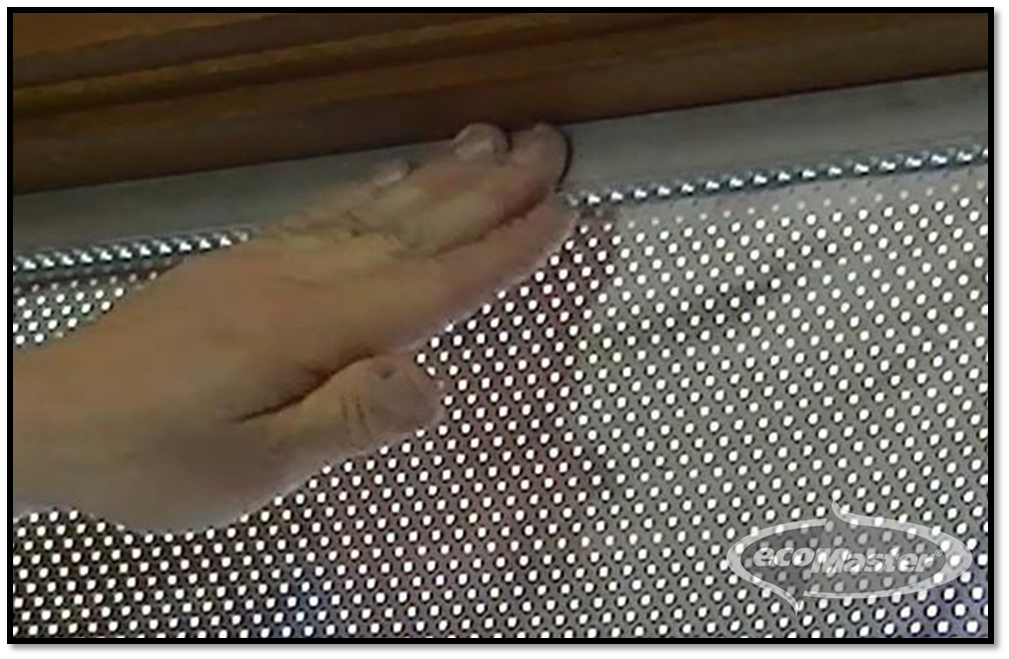
Apartments, inaccessible windows and body corporate rules can make external shade impossible. Then deal with the sun as close to the glass as you can. Renshade is particularly useful for this. It is reflective and removable, so you can protect a problem window through summer and take it down again when you want winter sun. Absolutely perfect for renters!
gy bill by proper draught proofing.
2
Step 2: Open early - then shut the home
A cool summer morning is the perfect time to open the house. The mistake is leaving everything open after outside has become hotter than inside. If it is 24°C indoors and 34°C outdoors, those open windows are no longer cooling the house. The breeze may feel nice on your skin but the air itself is still hot.
Early morning
A great early morning routine is to open windows and doors where safe and sensible to do so. Create cross-flow if you can (open windows at opposite ends or on opposite sides of the home) and ventilate your home. Use the cool air while you have it.
If you have air conditioning, investigate pre-cooling (covered in more detail below).
Before outside heats up
Close the windows, close external doors and lower the external blinds. Shade the problem glass before the sun reaches it. You can pop Renshade up on a daily basis if you like, but I prefer to leave mine in place. This way you can hold onto the cooler conditions you have created. A cheap indoor/outdoor thermometer might be useful.
One exception: evaporative cooling needs airflow through the house, so follow the operating requirements for your system.

3
Step 3: Make “Closed” Actually Mean Closed
This is why draught proofing matters in summer too. If outside air can leak in around the doors and windows, your house will struggle to stay cooler than outdoors. If the air conditioner is running, cooled air is leaking out at the same time. The aim is not to make the house permanently airtight. It is to control when you ventilate, not accidentally leak air 24 x 7. If you want to keep out a 38°C day, make sure your home is draught proofed properly.
A short personal digression to demonstrate the power of thermal energy efficiency. Some years ago, I shut myself away in my home office for several days to finish a project. It was just me, my computer and the dogs. I stayed off social media, television and radio, and paid very little attention to the outside world. Three or four days later, I emerged triumphant - the project was finished. Only then did I discover that the city had been sweltering through a heatwave. I had no idea. Despite having no air conditioning, my office had stayed at a very comfortable 22–25°C the entire time.
This stuff actually works!
Start with our Draught Proofing Information Hub.
Look particularly at:
And remember: a door has four sides, please don’t think a door snake is going to achieve anything.
Are you still using gas?
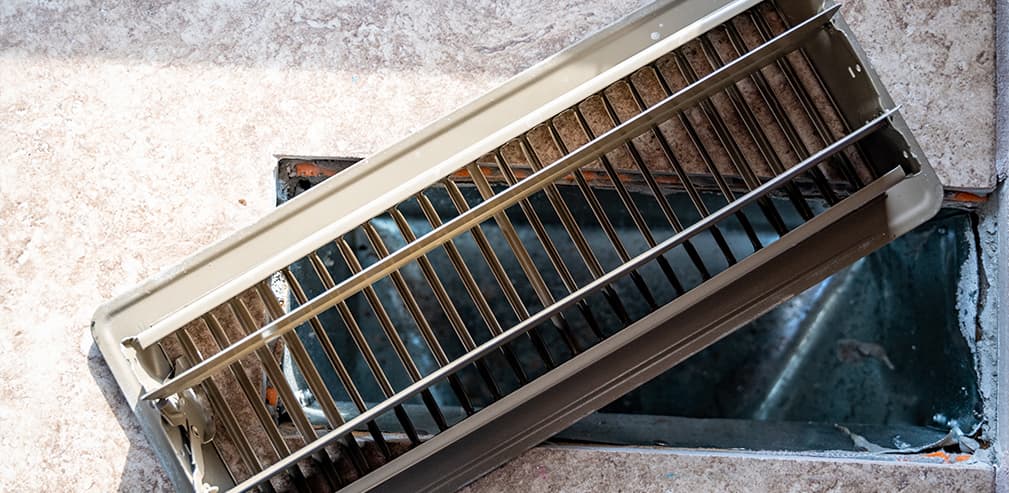
Some permanent vents may be required for combustion safety. Do not start sealing vents until you know what they do and whether an appliance relies on them.
4
Step 4: Look Up
By mid-afternoon on a hot day, your roof is cooking, especially if you have concrete or terracotta tiles - or slate! The only thing standing between that heat and the rooms below is your ceiling insulation. Assuming, of course, that it is actually there and still where it should be.
Plenty of people have been told their home is insulated. That might mean a beautiful, even layer across the entire ceiling. It might also mean a scattering of old batts, several bare patches and a large section shoved aside by a tradie who fully intended to put it back (maybe!). Ceiling insulation only works where it exists. A bare patch is a direct route for heat. Even quite small gaps can dramatically reduce the performance of ceiling insulation!
It is worth checking the roof space if:
- the house gets progressively hotter through the afternoon
- upstairs is much hotter than downstairs
- the ceilings feel warm
- the house stays hot long after the sun has gone down
- trades have worked in the roof space
- nobody has looked up there since John Howard was Prime Minister
Good ceiling insulation earns its keep all year. It slows heat coming down in summer and warmth escaping in winter.
Another short deviation: Some years ago, I was having a cuppa with friends in their retirement home on the Mid North Coast of NSW. The house had been built by a friend of theirs who was a builder. Good bloke, nice benchtops, lovely finishes. It is a very pleasant place to retire. As we chatted through that summer afternoon, I began to feel strangely hot. Not all over. Just my head. Eventually I asked, “Do you have ceiling insulation?” “Oh yes, I’m sure we do. [Name redacted] would have installed it when he built the house.” When Maurice returned, he was dispatched up a ladder to check. From the roof hatch, he yelled down that there was a magnificent, uninterrupted expanse of ceiling - with not a single insulation batt to spoil it. Moral: Don’t assume you have insulation. Always check.
What about walls and floors?
Western walls can soak up an extraordinary amount of afternoon heat. Wall insulation helps slow its journey indoors. But look at the whole wall. If half of it is an enormous unshaded window, start with the glass. Insulating around a sun-blasted window is fiddling at the edges of the problem.
Walls do not have to sit in full sun all day. You can shade them with water tanks, shade cloth, a trellis, climbing plants or well-placed deciduous trees. East- and west-facing walls benefit most from vertical screening because the sun is low in the morning and afternoon. Northern walls are generally easier to protect with eaves, pergolas or overhead planting that blocks high summer sun while allowing lower winter sun through. Whatever you use, leave enough space for air to circulate and for access to the wall. The aim is to stop the sun before it heats the building.
Underfloor insulation is not just for winter. In summer, it helps stop the cool conditions you have created indoors from disappearing through the floorboards. If your floors are draughty as well, seal the gaps too. Insulation slows heat transfer, while draught proofing stops air leakage.
5
Step 5: Work Out What Is Wrong With the Windows
Windows can make a room hot in more than one way, and the right fix depends on what is actually happening.
If direct summer sun is pouring through the glass, the problem is solar heat gain. Stop it before it gets inside. More reading here - Window Shading Guide.
Once the window is shaded, replacement double glazing or secondary glazing can be effective.
If you can feel hot air coming through the parts of the window that open, you have a draught problem. Seal the moving sections properly. Read more here Window Seals.
If the air is sneaking in around the outside of the frame, the window itself may be fine. The gaps around it need sealing. Gaps and Cracks.
And if your curtains or blinds are doing little more than looking decorative, the window covering needs some attention too. The Ultimate No-Nonsense Guide to Window Coverings.
Of course, one particularly troublesome window can be doing several of these things at once. That is why it pays to work out what is actually wrong before you start buying solutions.
Where ecoGlaze Fits
Single glazing is a weak part of the thermal envelope.
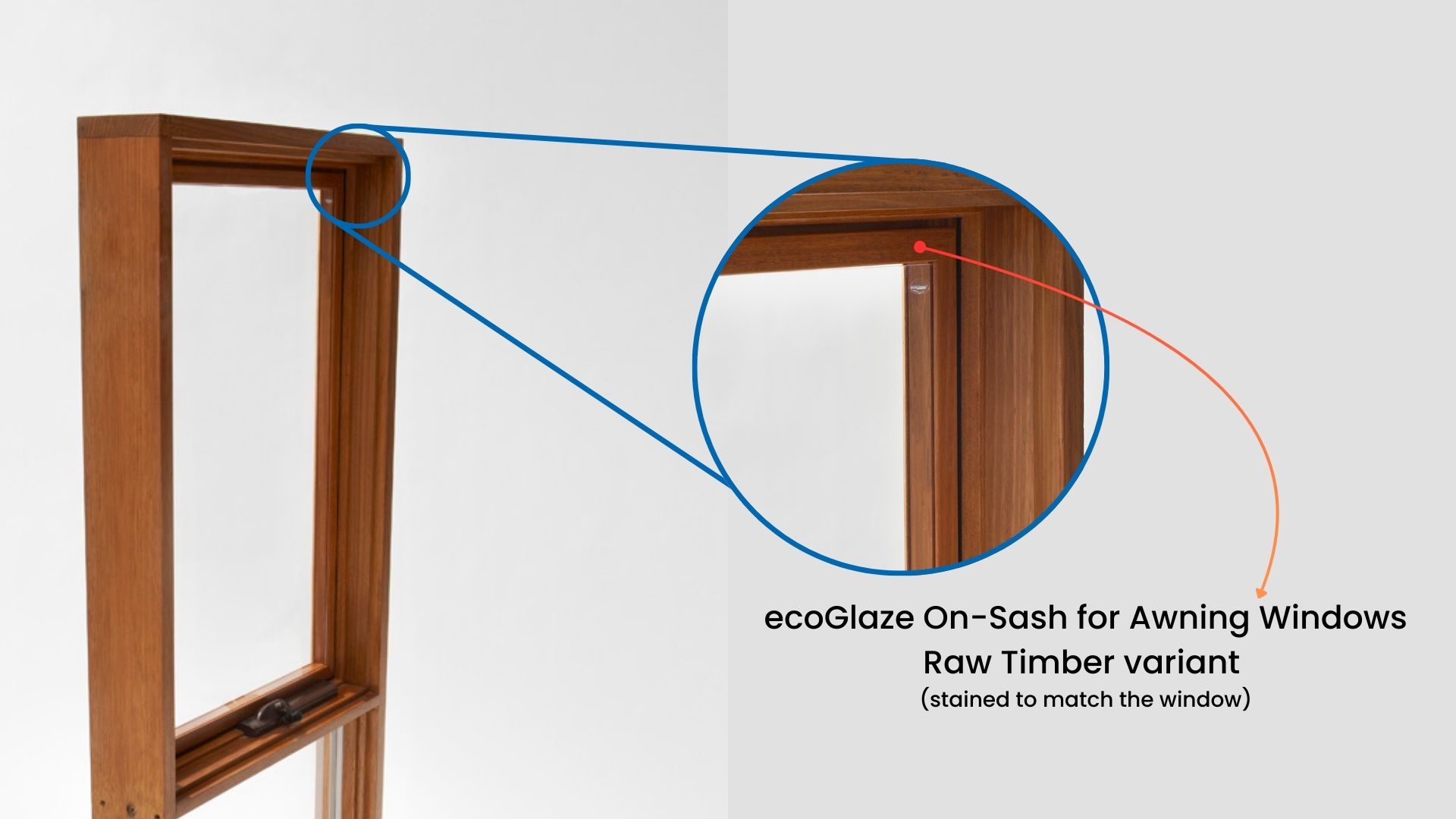
ecoGlaze secondary glazing adds a second glazing layer to your existing window and creates an insulating air space. That reduces heat transfer through the window, but this distinction matters: ecoGlaze is insulation. Shade is shade.
If fierce western sun is hitting the window, deal with that sun too. A really good problem-window solution may therefore include:
SHADE — stops direct solar heat
ecoGLAZE — slows heat transfer
WINDOW SEALS — stop air leakage
CURTAINS / BLINDS — add another useful internal layer
Very different jobs for the same window.
6
Step 6: Use Ceiling Fans to Mix the Air
Ceiling fans are not just for blowing air at people. Used properly, they can make the whole room work better.
The problem in many rooms is that the air temperature is uneven. Warm air rises and collects near the ceiling. Cooler air settles lower down. Heating or cooling from a reverse-cycle air conditioner can also end up concentrated in one part of the room instead of spreading evenly. A ceiling fan helps fix that.
Run it slowly, with the air pushed upwards towards the ceiling. The air hits the ceiling, spreads across the room and circulates back down the walls. Instead of creating a strong breeze, it gently mixes the air. That helps even out hot and cold spots and makes the temperature throughout the room much more consistent.
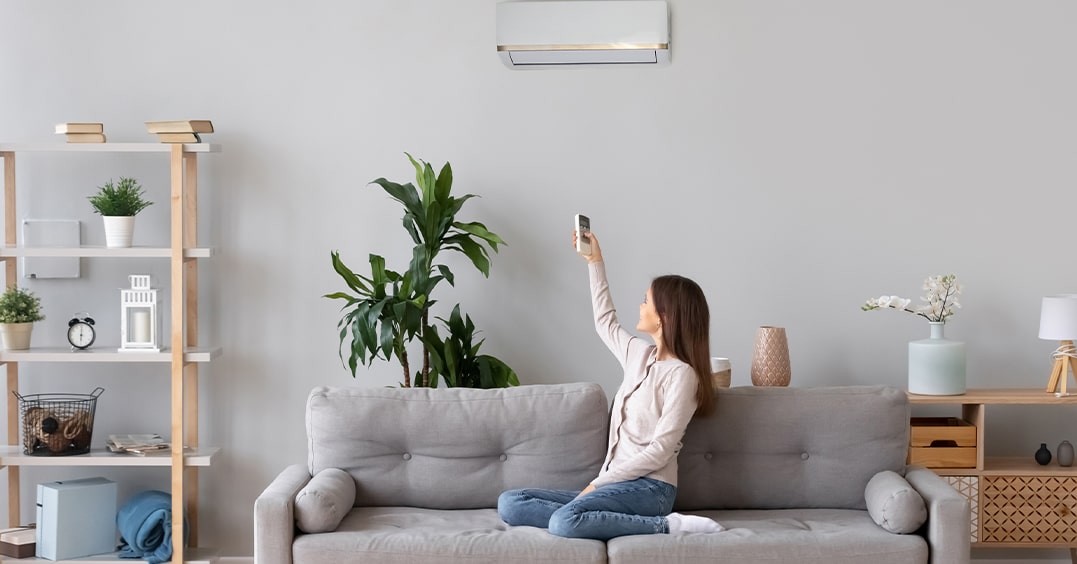
It also makes your reverse-cycle air conditioner work better. Rather than having heated or cooled air dumped into one part of the room, the ceiling fan helps distribute it throughout the space. The result is a room that reaches a more even temperature, with less need to keep adjusting the thermostat because one end feels hot while the other still feels cold.
For this job, the fan does not need to be roaring away. Keep it on a low speed, with upward airflow to keep air moving.
Video of ceiling fan.
In rooms you use regularly, there is a strong argument for leaving the fan running continuously rather than treating it as something you only switch on when you feel hot. A pedestal fan can cool the person sitting in front of it. A ceiling fan can help the whole room behave better.
- Reverse cycle air conditioners are a smart alternative (especially ones with clean filters!)
If you’ve already got one, great news—you’ve already got a heater! Many people don’t realise that reverse cycle units are excellent at heating, they can be up to 500% efficient and MUCH cheaper to run than gas, especially when your home is well-insulated and sealed. And if you are powering them with solar? Even better. (Read about pre-heating here).
So before upgrading your gas system, consider switching to (or using) efficient electric heating. Then you will be able to keep that warm air that you've paid for exactly where it belongs - inside!
7
Step 7: Pre-Cool Before the Worst Part of the Day
If the forecast says 39°C and you already know your house becomes unbearable by late afternoon (or even sooner), don't wait until 4pm to do something about it. By then, the sun has been heating the roof, walls and windows for hours, the house has stored a lot of that heat, and the air conditioner is being asked to catch up.
Pre-cooling means getting the house comfortably cool before the worst heat arrives. That means running the air conditioner earlier in the day, while the house and the outdoor air are still cooler, then doing everything you can to hang on to that cooler indoor temperature. Shade the windows before the sun hits them. Close windows once the outdoor temperature climbs above the indoor temperature. Keep unwanted hot air out. Let your insulation do its job. This is not about setting the air conditioner to 17°C at breakfast and turning the house into a fridge. It is about getting ahead of the heat instead of spending the afternoon chasing it out.
Do you have rooftop solar?
Then pre-cooling can make even more sense. During the middle of the day, your solar system may be producing plenty of electricity. Using some of that generation to cool the house before the late-afternoon heat arrives can be a much smarter use of your solar than exporting it for a small feed-in tariff and then buying electricity back later to cool an already-hot house.
And this is where the condition of the house really matters. A shaded, insulated, draught-controlled house can hold onto that earlier cooling for much longer. A leaky house with hot sun pouring through the windows will lose it quickly.
Pre-cooling works best when the house is good at keeping the heat out in the first place.
8
Step 8: Open again when outside cools
Now your home is sealed and insulated and you have a heating system can finally do its job - without working overtime. That means faster warm-up times, better heat retention, and lower energy bills. But there are still a few smart habits that can take your comfort even further.
- Zone your home: Only heat the rooms you’re using. Close internal doors and use draught stoppers to keep warmth where you want it.
- Optimise your controller: Set it to 18–20°C in winter—each degree higher can increase energy use by up to 10%.
- Use timers and remote controls: Avoid leaving heating on overnight or while you're away.
- Let the sun help out: Open north-facing blinds during the day to let natural warmth in, then close them before the chill sets in at night.
- If you have solar, then consider pre-heating your home. Find out more here.
- And remember—your heating will only be as efficient as the building shell it’s working within. By following the steps above, your heater won’t have to work as hard to keep you warm, and you’ll feel the difference in both comfort and cost.
+
A Few More Things That Help
Don't make unnecessary heat inside
On really hot days, think twice before firing up the full-sized oven at 5pm. An air fryer, microwave or induction cooktop may produce much less unwanted heat in the room.
Run the dryer and dishwasher later if practical. And if you still cook with gas, remember that the flame itself is adding heat directly to the kitchen.
Zone the house
If you are sitting in the lounge, you probably don't need to cool the laundry, hallway and spare bedroom. Close internal doors where practical. Do not make one little split system try to cool half of your home if you don't need to.
Make one room excellent
During extreme weather, it can be much more practical to create one really comfortable room than try to retrofit the whole house at once.
We call this cocooning or a climate safe room. (same idea - different name).
Give that room:
- excellent shading
- good insulation
- draught control
- useful window coverings
- a ceiling fan
- efficient reverse-cycle air conditioning
Then close it off from the rest of the home. That gives you one excellent room that can be enormously valuable during a heatwave.
Use the Air Conditioner - But Make the House Help
Yes, eventually we get to the air conditioner.
We are big fans of reverse-cycle air conditioning. It is one of the most efficient ways to heat and cool a home, and a very important part of getting off gas.
But it should not have to fight the whole house. If the west-facing windows are baking in full sun, hot air is leaking in around doors and windows, and every room is open, the air conditioner has a much harder job than it needs to. It will cost more to run and may still struggle to keep the room comfortable.
Before summer, clean the filters, make sure the outdoor unit has good airflow and have the system serviced if it needs it. Then, when you are cooling, give it some help. Shade the sunny windows, close the house once it is hotter outside than inside, close off rooms you are not using and keep the ceiling fans circulating the air. Pre-cool on very hot days rather than waiting until the house is already roasting.
And choose a thermostat setting that is actually comfortable. Setting the air conditioner to 18°C does not make a 30°C room cool down faster. It simply tells the system to keep going long after the room has become comfortable. The goal is not to make the house cold.
The goal is to keep the people in it comfortable, without making the air conditioner do all the work.
So What Should I Do First?
Do not turn this into a multi-step renovation list. Start with the part of the house that is making summer miserable.
Start today
Find the room that heats up first, and notice what time it happens. Then go outside at that time and have a look. Is the sun hitting the windows? Is an exposed wall baking? Is hot air getting in somewhere obvious? That will usually tell you where to start.
In the meantime, use what you already have. Run the fans, open the house while it is cooler outside, then close it before the heat builds. Shade sunny windows any way you can. Close off rooms you are not using.
This weekend
Tackle the obvious stuff first. Deal with the worst sunny window, find the biggest draughts and make your existing curtains work harder. Clean the air-conditioner filters and get an indoor/outdoor thermometer so you know when opening the house is actually helping.
Then make the bigger improvements
Once you know where the heat is getting in, spend money there first.
- Window shading
- Ceiling insulation
- Draught proofing
- Window insulation / ecoGlaze
- Wall insulation
- Underfloor insulation
- Efficient reverse-cycle air conditioning where you still need it
And if you would rather tackle the house room by room, have a look at our Comfort Series. We take the same practical approach through the lounge room, bedrooms and other parts of the house, showing what makes each space uncomfortable and what is worth fixing first.
You do not have to fix the whole house at once. Find the biggest source of heat, fix that, then move to the next one.
Handy Links
The sun is the problem
The Best Ways to Shade a Window
Hot air is getting in
Draught Proofing Information Hub
The building itself gets hot
The windows are the weak point
I want to cool more intelligently
