


Smarter, More Comfortable Apartments
Is your apartment draughty, noisy, too cold, too hot or expensive to run? Find practical ways to improve its doors, windows, shading and insulation safely.
Prefer the shorter version? Go here.
Less noise. Fewer draughts. Better temperatures. Lower bills.
Apartment living has plenty going for it. There is less garden to wrangle, fewer external walls losing heat and sometimes a lovely neighbour downstairs warming your floor for free.
But apartments have their own peculiar comfort problems.
The entry door whistles whenever the southerly hits the corridor, the lift announces every late-night arrival, the aluminium windows rattle, the west-facing glass turns the lounge room into a slow cooker. And just when you find a possible solution, somebody mentions the Owners Corporation. 😣👿
The good news is that there is still plenty you can do.
The trick is to identify the actual problem, find out what you are allowed to change and choose a solution that suits the building - not merely the first strip of foam you encounter at the hardware shop.
1
Step 1:
First: What Is Making Your Apartment Uncomfortable?
Before buying anything, pay attention to what happens and when:
Cold air or corridor smells around the entry door?
Look closely at all four sides of the door. Light visible around the edges is a rather large clue. So is a whistle, a moving curtain or the smell of somebody else's dinner arriving before they do. Start with the entry-door section below - but check whether it is a fire door before touching it.
Voices, footsteps and lift noise coming through the front door?
Air gaps are also paths for sound. Properly sealing the perimeter and bottom of the door may noticeably reduce noise, although it cannot fix sound travelling through walls, ceilings or the building structure. Go to My Apartment Door Is Draughty or Noisy.
Fine in the morning, unbearable in the afternoon?
Go to the window when the room is at its worst. Is direct sun striking the glass - particularly from the west? If it is, start with shading before blaming the air conditioner. Read My House Is Too Hot for the full sequence.
Cold beside the windows even when they are shut?
You may have two different problems: air leaking around the opening parts and heat travelling through the glass itself. Draught proofing treats the first. Window coverings or secondary glazing treat the second.
Top-floor apartment hot in summer and cold in winter?
The roof or ceiling may be the problem. If there is accessible ceiling space above your apartment, missing, thin or disturbed insulation deserves investigation.
Apartment reasonably comfortable, but the bills are feral?
The building may not be the only culprit. Tariffs, electric resistance heating, old appliances, hot water systems and how energy is used all matter. Start with My Energy Bills Are Too High.
2
Step 2:
Before You Start: Three Checks That Matter
Apartment retrofits involve more people and more rules than the average detached home. Do these checks before reaching for the drill.
1. Do You Own or Rent?
If you rent, some non-permanent changes may be allowed without permission, while other changes require the rental provider's consent. Draught proofing has particular rules where gas appliances are present.
If you own the apartment, that does not automatically mean you own or control every door, window, wall or balcony surface. The plan of subdivision and your owners corporation rules help determine what belongs to your lot and what is common property.
2. Does the Owners Corporation Need to Approve It?
An owners corporation—still commonly called the body corporate—may have rules about the appearance of the building and changes to external doors, windows, blinds, balconies and other exterior elements.
Something fitted entirely inside the apartment may be straightforward. Something drilled into an entry-door frame, fixed to the outside of a window or visible from the street may not be (including, in some instances, types and colours of window coverings).
Before making a permanent alteration:
- check your owners corporation rules
- find out whether the door, window, wall or ceiling is part of your lot or common property
- ask the building or owners corporation manager for written approval where required
- check whether the change could affect fire safety, waterproofing, insurance or the building's external appearance
Do not rely on, “Barry on level four did it.” Barry may not have asked either. 😯
3. Is There Gas Burning Inside the Apartment?
Do not start DIY draught proofing an apartment that has a gas appliance until its combustion and ventilation requirements have been checked by a licensed gasfitter or plumber. Gas appliances need enough air to burn safely. Sealing doors, windows or vents can change that airflow and increase the risk of carbon monoxide entering the apartment.
This is especially serious with unflued and open-flued gas appliances. Never seal a vent simply because cold air comes through it. First establish why it exists.
If you are planning to get off gas, excellent. Read our practical Getting Off Gas guide. Once combustion safety is no longer dictating permanent ventilation, the apartment can usually be sealed far more effectively.
A Special Warning About Apartment Entry Doors
Your apartment entry door may be a certified fire door. The door leaf, frame, closer, hardware, clearances and seals can all form part of its fire-safety performance.
Do not drill into, cut, plane or modify a fire door or its frame until the proposed work has been approved by the owners corporation or building manager and confirmed as suitable by an appropriately qualified fire-door professional.
A product with a Bushfire Attack Level, or BAL-rating, is not automatically approved for use on a fire-rated apartment door. They are different fire-safety systems. Whilst this check is mildly inconvenient, accidentally compromising a fire door is considerably more inconvenient.
3
Step 3:
The Practical Apartment Retrofit
Once the safety and permission questions are resolved, work on the biggest problem first.
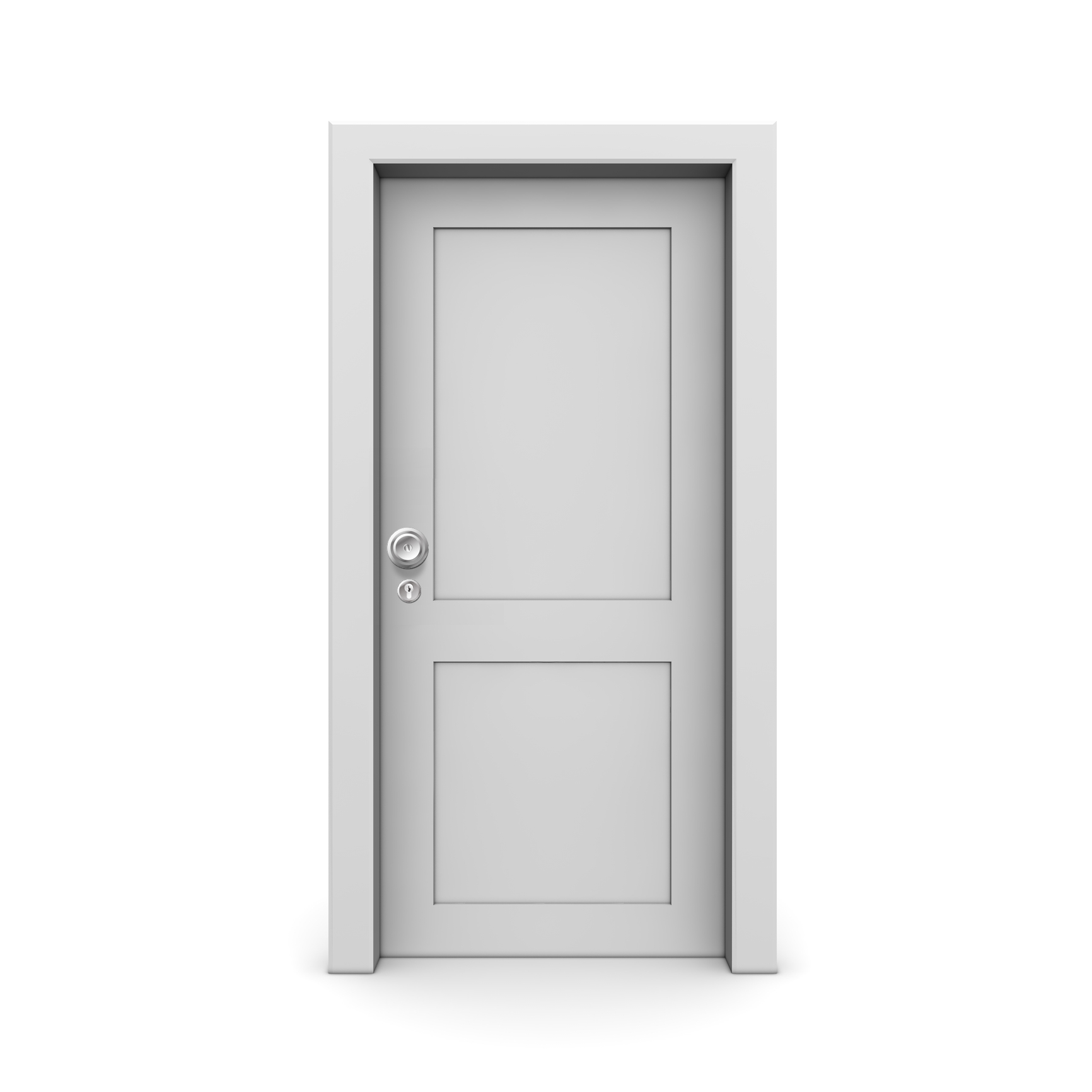
1. My Apartment Door Is Draughty or Noisy
Apartment entry doors can be the main leak in an otherwise fairly well-protected home. They can admit cold corridor air, hot air, dust, smells and noise.
And yes, a door still has four sides in an apartment.
A door snake treats the bottom while the other three sides continue doing whatever they please.
When noise is the main problem
Where the door and installation are suitable, our preferred acoustic combination is:
- RP78 around the two sides and top of the door
- RP35 automatic drop-down seal across the bottom
- a treadplate, where needed, to give the RP35 a hard, level surface to seal against
This closes the air paths through which a great deal of corridor noise travels. It may also reduce draughts, light, dust and smells.
It is important to be realistic: door seals help with noise coming through gaps around the door. They will not stop impact noise travelling through the concrete structure or magically silence the lift motor above your bedroom.
Fire-door and owners corporation approval still comes first.
When draughts, not acoustics, are the main problem
Most apartments have one main external entry door rather than a front and back door. That makes our External Door Draught Proofing Kit the logical starting point—not the two-door Front and Back Door Kit.
The kit treats the sides, top and bottom of one hinged external door. Check the product's suitability for your exact door, the threshold, opening direction and any fire-door requirements before ordering. Be aware that
When the door opens over carpet
An automatic drop-down seal such as the RP35 needs to land on a hard, level surface. It does not seal directly onto carpet. There are 2 alternatives:
- If the door opens over carpet and weather does reach the bottom of the door, the RP3 Draught Excluder may be a useful alternative. It lifts and clears the carpet as the door opens. From an owners corporation perspective, it is fitted to the outside of the door, which might be problematic from an owners corporation permission viewpoint.
- If the door opens over carpet and weather does not reach the bottom of the door, the RP1 Fluffy Roller may be a useful alternative. It rolls over the carpet as the door moves. From an owners corporation perspective, it is fitted to the inside of the door. No owners corporation permission required, but do which with the landlord (if appropriate).
The RP1 is a practical draught solution. It is not the equivalent of the RP35 and treadplate combination where serious acoustic performance is the priority.
2. My Aluminium Sliding Windows or Doors Leak Air
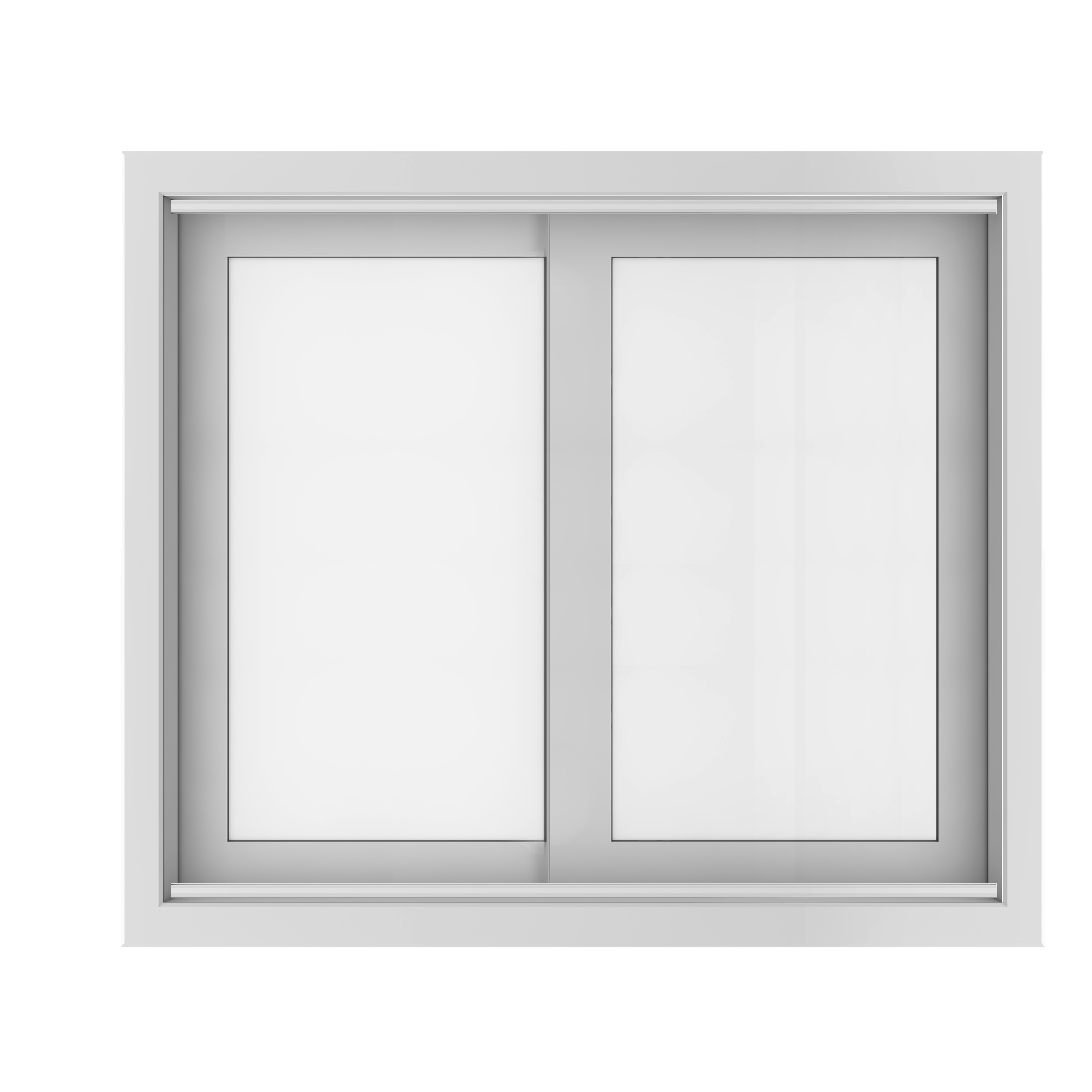
Aluminium sliders are extremely common in apartments. As the original seals wear or shrink, air can leak around the sliding panel even though the window or door is properly closed.
The EMV Slim Line Seal for aluminium sliding windows is a small, clear V-shaped seal designed for gaps around opening aluminium windows. It is inexpensive, unobtrusive and one of our easiest DIY fixes.
There is also an EMV solution for aluminium sliding doors.
EMV works on the moving junctions it is designed to treat. It will not fix a damaged frame, failed glazing gasket, leaking building joint or water entering through the façade. If water is coming in, involve the building manager rather than attempting to caulk your way to glory.
3. My Apartment Windows
The right seal depends on how the window opens.
Double-hung timber windows
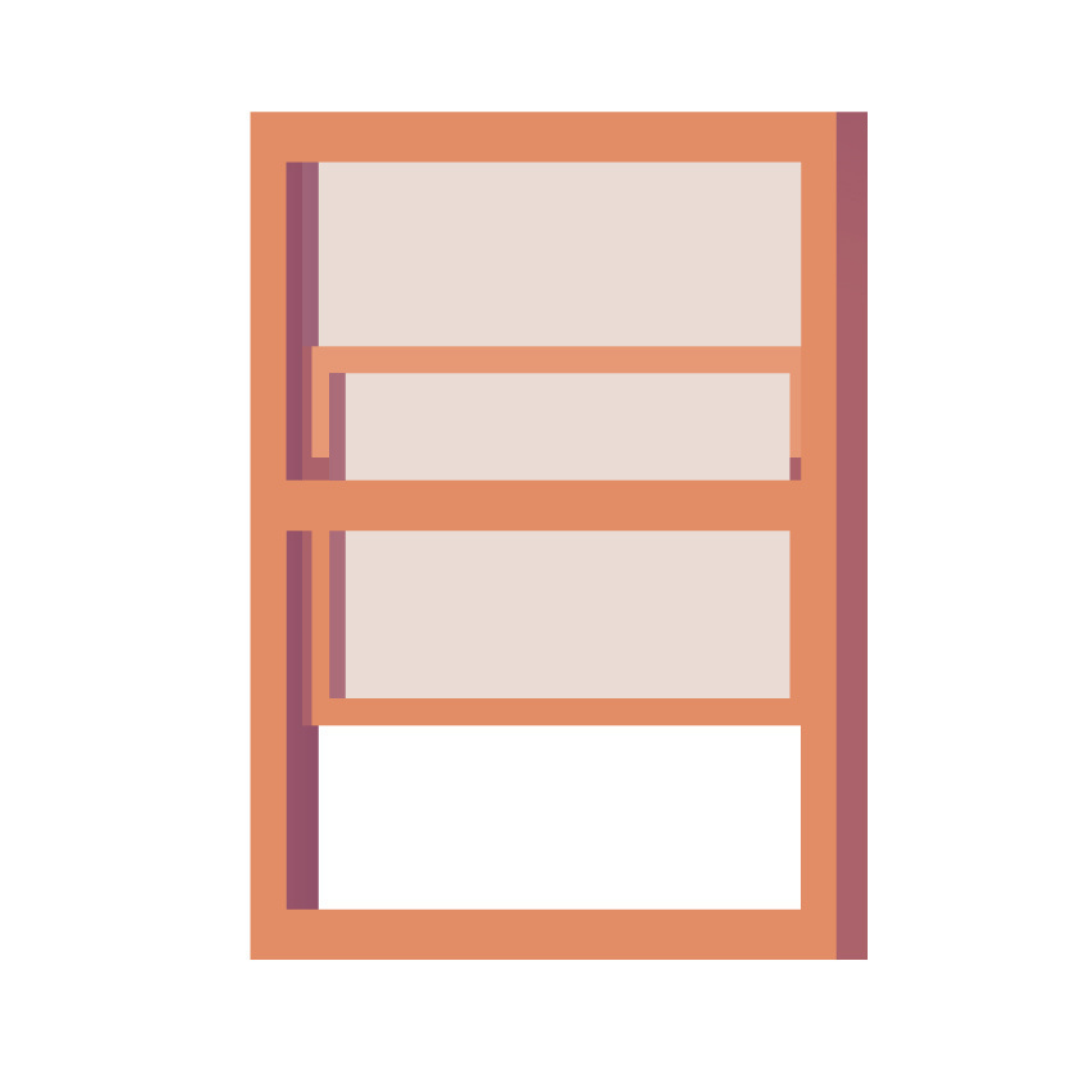
Our Draught Dodgers for Double-Hung Windows seal the opening sash while allowing the window to keep operating. They also help stop the rattling that so often accompanies old sash windows.
Sashless, frameless or lap-seal windows
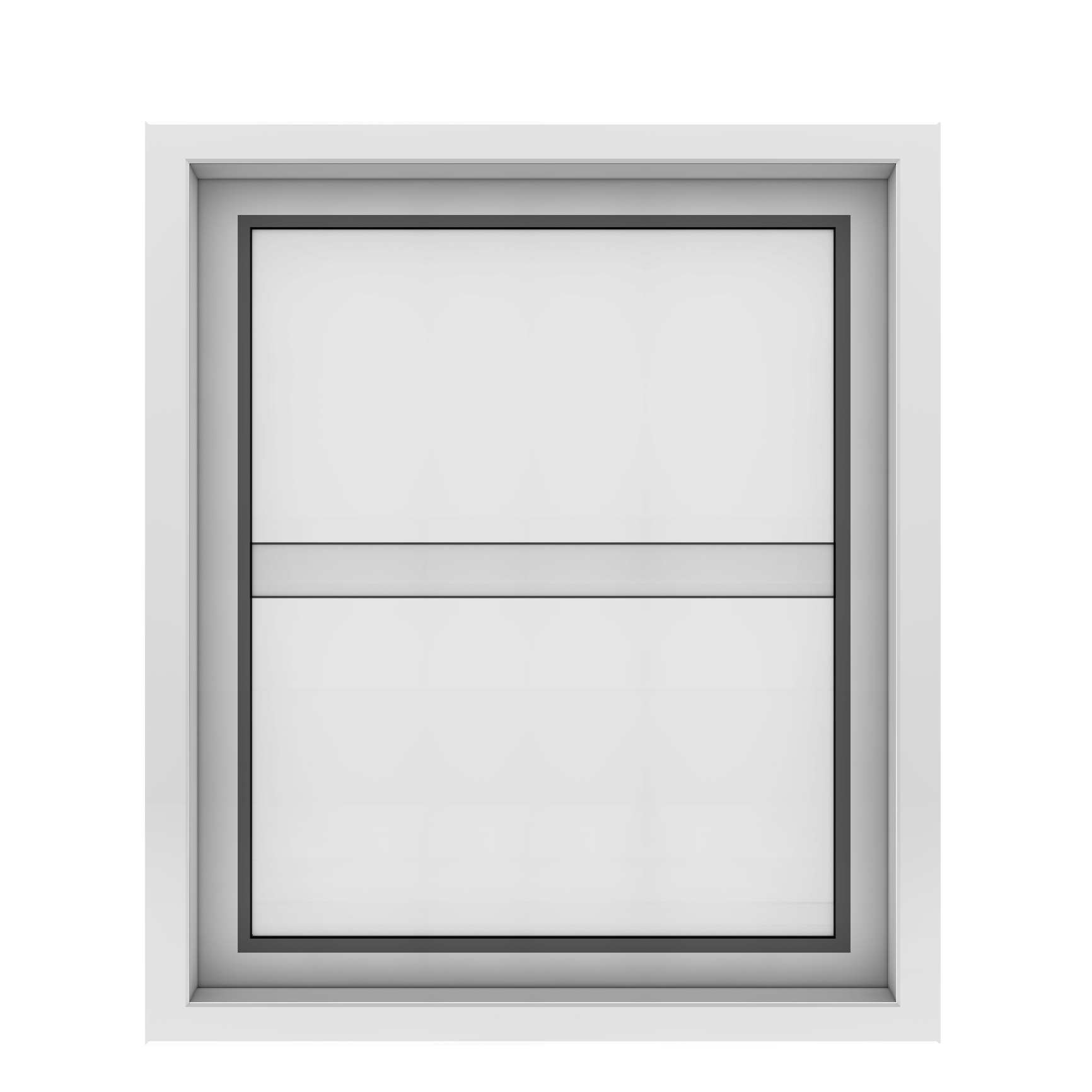
Where two panes of 6 mm glass overlap, the GCE6 clips onto the edge of the glass and uses a brush to reduce the gap between the panes. Measure the glass thickness and the gap carefully: it is a purpose-made product, not a universal window garnish.
4. The Glass Is Making the Apartment Cold
Stopping air leaks is only half the window story. Closed single glazing still transfers heat readily. That is why you can feel cold beside a perfectly well-sealed window in winter. Good, close-fitting curtains and pelmets can help.
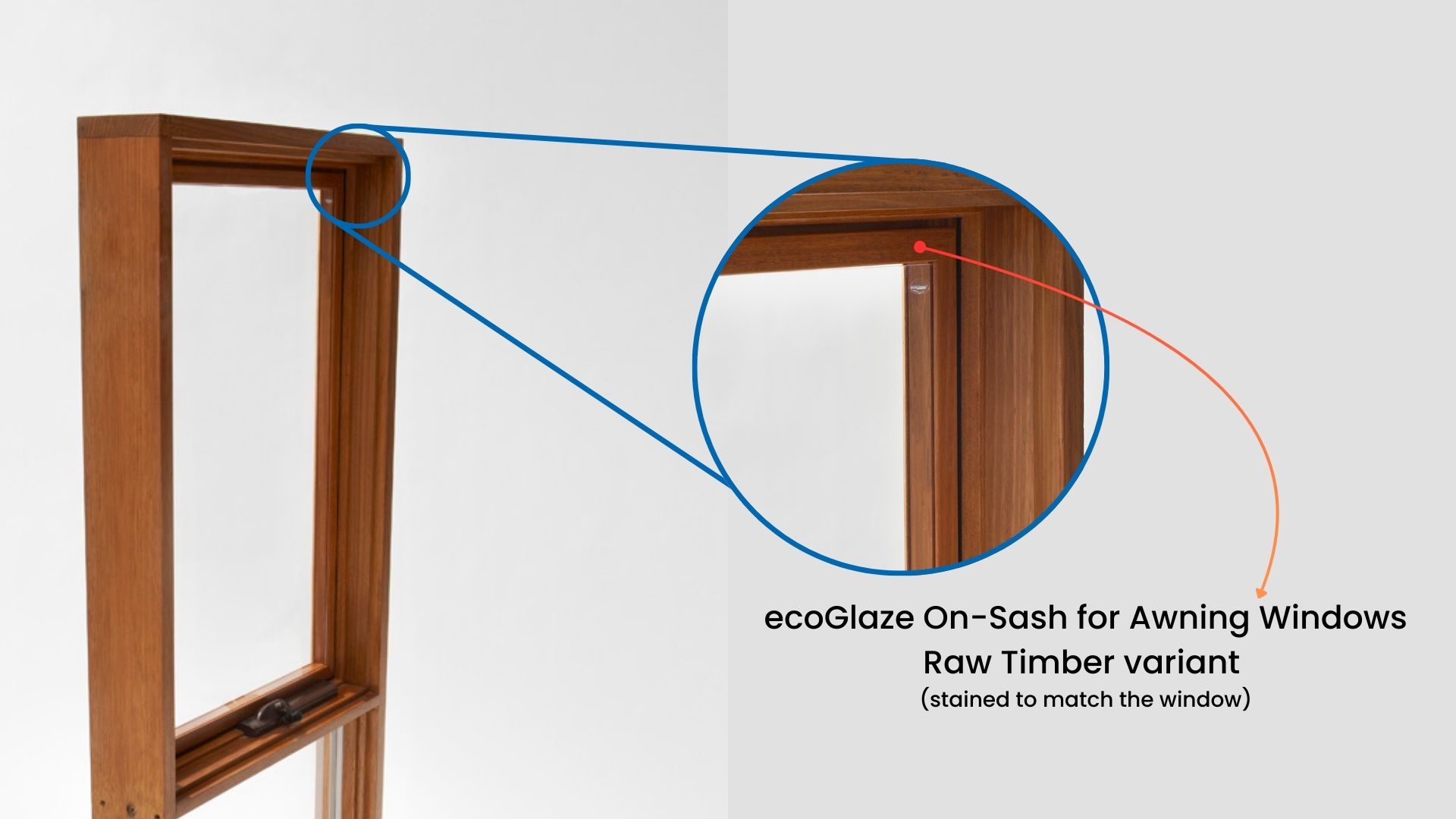
For a larger improvement, ecoGlaze secondary glazing adds a second, magnetically attached panel to the existing window and creates an insulating still-air space. ecoGlaze can be fitted to many timber windows and to suitable commercial-grade aluminium framing. This is particularly useful in apartments where replacing the windows would be expensive, disruptive or subject to whole-building decisions. Whilst ecoGlaze is attached to the inside of your window via magnets and is not externally visible, it is still good to check rental and owners corporation requirements before proceeding.
5. Direct Sun Is Cooking the Apartment
If direct sunlight is hitting the glass, deal with that before asking the air conditioner to fight it for six hours. External shading is generally most effective because it stops solar heat before it passes through the window. In an apartment, however, awnings, shutters and external blinds may be impractical, inaccessible or prohibited by owners corporation rules.
That is where Renshade earns its keep. Renshade is a perforated reflective material fitted inside the glass. It reflects much of the incoming radiant heat while still admitting soft light and allowing some outward view. It is removable, reusable and particularly effective on savage east-, north- and west-facing windows. Is it beautiful? No. Does it work a treat? Absolutely.
We are preparing a new Renshade product launch. Subscribe to ecoBites to be the first to know when it is ready.
In the meantime, read The Best Ways to Shade a Window to match the solution to the direction of the sun.
6. I Live on the Top Floor
Middle-level apartments often benefit from neighbouring apartments above and below. Top-floor apartments do not get that protection from the roof.
If your apartment gets progressively hotter through the afternoon, stays hot well after sunset or is much colder than apartments below, investigate what is above the ceiling.
There may be:
- no ceiling insulation
- old or inadequate insulation
- gaps around services and downlights
- insulation that has been moved during building work
- a roof or ceiling area controlled by the owners corporation
Do not enter a shared or restricted roof space yourself. Ask the owners corporation or building manager what insulation is present, who controls the space and how it can be inspected.
If insulation is missing or needs improvement, contact ecoMaster and we can refer you to a reputable insulation installer.
7. Heating, Cooling and Getting Off Gas
Once unwanted heat and air leakage are under control, heating and cooling equipment has a much easier job.
Reverse-cycle air conditioning is an efficient way to heat and cool an apartment. If you already have a split system, clean the filters, use sensible settings and close off rooms you are not using. On very hot days, pre-cool before the apartment and its contents have stored a full afternoon of heat.
Installing or replacing a system may require approval because the outdoor unit, condensate drainage, electrical supply, noise and external appearance can affect common property and neighbours.
If you still use gas for heating, hot water or cooking, see Getting Off Gas for the practical sequence. Apartments can make electrification more complicated, but not impossible. The right first step depends on whether appliances are individual, central or shared by the building.
8. Ventilation Is Not the Same as Draughts
A comfortable apartment still needs fresh air and moisture control. Draughts are uncontrolled leaks. Ventilation is deliberate.
Use kitchen and bathroom exhaust systems properly, open windows when outdoor conditions are suitable and pay attention to condensation. If water regularly forms on glass or mould appears around window reveals, sealing everything and hoping for the best is not a plan.
You want to stop uncontrolled leakage while retaining safe, useful ventilation. Wall vents associated with gas appliances or building systems must not be sealed until their purpose has been established.
4
Step 4:
What Can I Change in My Apartment?
There is no single answer for every building, but this is a useful starting point.
Proposed change | What to check first |
Removable internal window shading | Rental agreement; window operation; emergency egress |
Adhesive seals on your side of an ordinary window | Rental and owners corporation rules; gas safety |
Secondary glazing inside the apartment | Rental provider or owners corporation approval |
Altering an apartment entry door or frame | Fire-door status; owners corporation approval; qualified fire-door advice |
External awnings, blinds or window films | Owners corporation approval; façade rules; glazing warranty and thermal-stress risk |
Sealing wall vents | What the vent does; gas-appliance and ventilation requirements; rental standards |
Ceiling insulation above a top-floor apartment | Ownership/common-property boundary; access; qualified installer |
New reverse-cycle air conditioner | Owners corporation approval; outdoor unit, drainage, noise and electrical requirements |
When in doubt, photograph the proposed location, identify the exact product and ask the owners corporation or rental provider a precise question in writing. “Can I improve the windows?” invites a vague answer. “May I fit this removable internal product to this window without drilling the frame?” is much easier to approve.
+
Bonus:
What About Victorian Minimum Rental Standards?
Victorian rental properties already have minimum standards. Further energy-efficiency requirements are being introduced, including ceiling insulation requirements from 1 March 2027 and draught proofing of external doors, windows and unsealed wall vents from 1 July 2027. Each new requirement applies at the start of a new rental agreement or when an existing fixed-term agreement becomes periodic.
The draught-proofing rules also contain an important gas-safety requirement. Where a property has gas appliances, a licensed plumber must complete a gas safety check before draught proofing, and the check must be less than six months old when the work is completed. Draught proofing must not proceed where the check identifies an unflued or open-flued gas appliance.
We are preparing a complete Victorian Minimum Rental Standards guide for rental providers, property managers and renters. It will explain what is required, when it applies and how to approach doors, windows and vents without creating a safety problem.
Minimum Rental Standards guide
Where Should I Start?
Do not leave this page with fourteen new jobs and a grievance against the owners corporation. Start with one problem.
Today
- Identify the room or opening causing the greatest discomfort.
- Notice whether the problem is air, noise, sunlight or heat transfer through the glass.
- Check for gas appliances.
- Find out whether the entry door is a fire door.
- Read your rental agreement and owners corporation rules before planning permanent changes.
Then
- Cold apartment: My Home Is Too Cold
- Hot apartment: My House Is Too Hot
- High energy bills: My Energy Bills Are Too High
- Still using gas: Getting Off Gas
- Draughts everywhere: Draught Proofing Information Hub
Ready to Fix the Obvious Problem?
Visit the Apartment Retrofit collection for apartment-specific door, window, glazing and shading solutions.
Not sure which seal suits your door or window? Send us clear photographs and measurements before ordering. A five-minute product check is much cheaper than enthusiastically fitting the wrong thing
