


Table of Contents

From 1 July 2027, draught proofing becomes part of Victoria’s Minimum Rental Standards when a new rental agreement begins or an existing agreement becomes month-to-month. The standard applies to external doors, external windows and unsealed wall vents, which means landlords need to make sure these areas are properly sealed against uncontrolled air leakage while still allowing doors and windows to operate normally.
The good news is that this does not mean replacing perfectly good doors and windows. In many homes, particularly older Victorian homes, the problem is not the door or window itself but the gaps around it, and those gaps can often be dealt with quite simply once you know what you are looking at.
Before You Start, Check for Gas Appliances
If the property has gas appliances, do not begin by sealing wall vents simply because they are draughty. Some vents are there for combustion safety, and from 13 October 2026 a licensed or registered gasfitter must carry out the required gas ventilation safety check before draught-proofing work is completed.
This is particularly important in older homes, where a wall vent may look like nothing more than an annoying source of cold air but may have been installed for a very specific safety reason. Once the gas safety requirements have been checked and the vent has been confirmed as safe to close, you can proceed with the draught proofing.
Start With the External Doors
External doors are usually the easiest place to begin because the gaps are often obvious. Close the door and look carefully around the frame, including the top, both sides and the bottom. If you can see daylight, feel moving air, hear the door rattling in the frame or find a large gap underneath it, then the door needs attention.
For a typical rental property with a standard front door and back door, the Front & Back Door Draught Proofing Kit is designed to seal both doors around the full perimeter. Draught Dodgers are fitted to the sides and top of the door frame, while an automatic drop seal takes care of the gap underneath.
That whole-perimeter approach matters because fitting a seal only along the bottom will not achieve much if air is still moving freely around the sides and top. The aim is to seal the unwanted gaps without making the door difficult to use, so when the job is finished the door should still open, close and latch normally.
If the property has only one standard external hinged door, the External Door Draught Proofing Kit is the better fit. French doors, cavity sliding doors and other less common door types need their own solutions, so it is worth identifying the door properly before ordering anything.
Then Check the Windows
Windows need a little more thought because Victorian homes have an impressive habit of containing several different window styles under the one roof. There is no single seal that suits every window, so the right product depends on how the window opens and where the air is getting through.
Double-Hung and Sash Windows
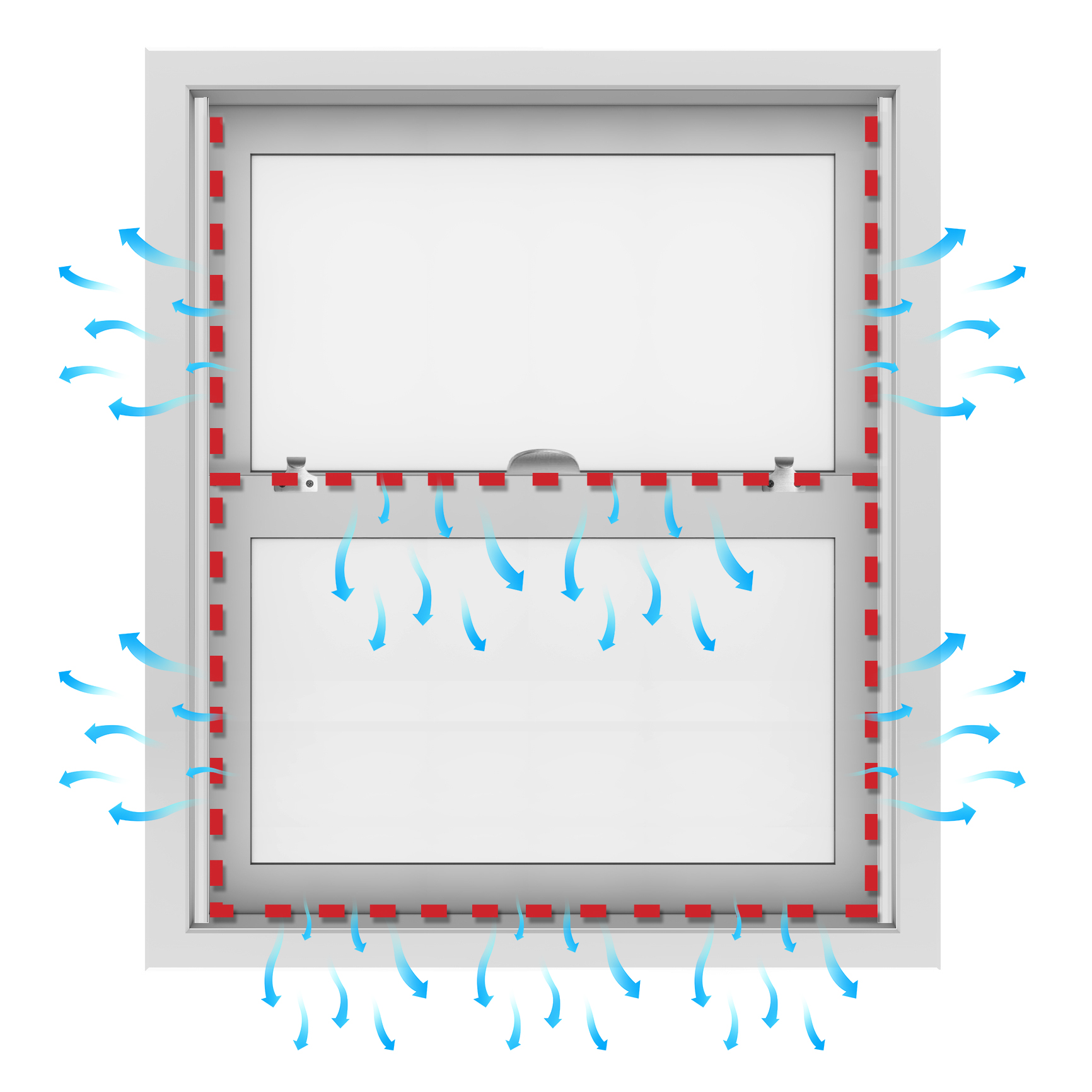
Traditional timber sash windows commonly leak around the sides, along the bottom and where the two sashes meet in the middle. For these, Draught Dodgers for Double-Hung / Sash Windows are designed to reduce air movement while still allowing the window to slide as it should.
These are particularly useful in older homes where the original windows are still sound but have developed the inevitable gaps that come with age.
Wind-Out, Awning and Casement Windows
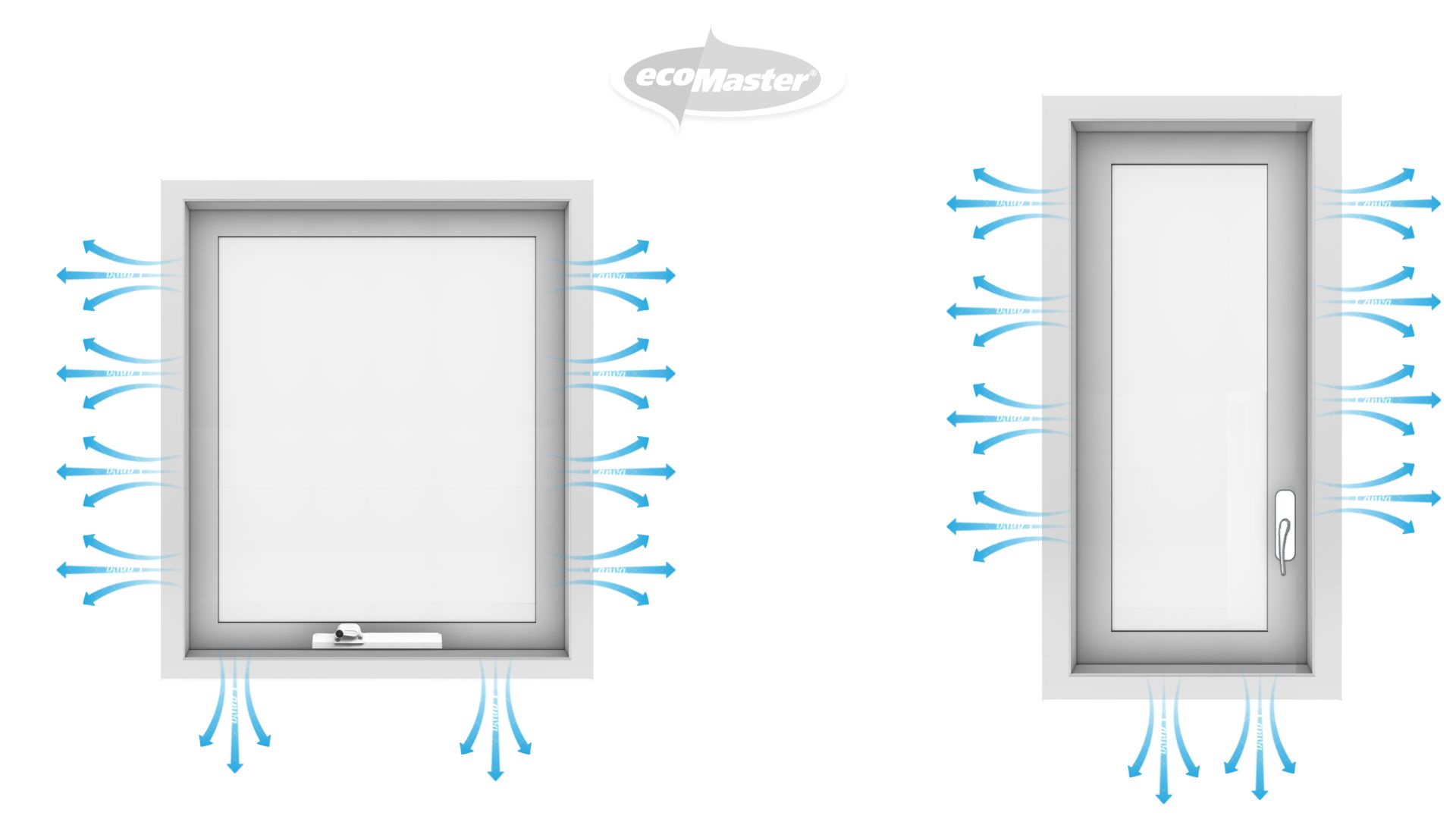
Wind-out, awning and casement windows open outward and usually close against a frame. For these, Draught Dodgers for Wind-Out / Awning / Casement Windows provide a seal where the sash meets the frame, which helps stop air moving around the perimeter when the window is closed.
As with doors, the window still needs to open, close and lock normally, so the seal should compress gently rather than making the window difficult to operate.
Aluminium Sliding Windows
Aluminium sliding windows need a much thinner seal because there is very little room around the moving sections. EMV Slim Line Seal is designed for these smaller gaps and can be installed without interfering with the sliding action when it is positioned correctly.
The best approach is to clean the frame first, then identify exactly where the air is entering and seal that point rather than filling every visible gap with foam and hoping for the best.
Sashless and Frameless Windows
Sashless, frameless and Shugg-style windows are a different proposition again because there is very little frame available for a conventional seal. For these windows, the GCE6 seal is designed specifically for that style of opening.
What About Gaps Around the Window or Door Frame?
Sometimes the moving part of the door or window is not the problem at all. The draught may be coming through the fixed joint where the frame meets the wall, architrave or sill.
That is where UltraClear becomes useful.
UltraClear is a flexible sealant that is well suited to small gaps and cracks around fixed building joints. If the gap is wider or deeper, the Gaps & Cracks Kit is the better option because the filler rod can be pushed into the gap first, with UltraClear then applied over the surface to create a neat, flexible seal.
A simple way to think about it is that moving parts need a weather seal, while fixed gaps between building surfaces need a sealant.
Wall Vents Need a Little More Care
Wall vents are common in older Victorian homes and are one of the areas where it is important not to rush. Some wall vents are no longer needed and can be closed, while others may still be required, particularly where gas appliances are present. That is why the gas safety check comes first.
Once a vent has been confirmed as safe to close, it needs to be properly sealed rather than simply tidied up around the edges. In many cases, the original decorative grille can stay in place so the room still looks right, while the opening behind it is closed with a suitable solid material and sealed around the edges with UltraClear.
Here is our guide on how to seal wall vents.
If the gaps around the vent are larger or irregular, filler rod from the Gaps & Cracks Kit can be used first, with UltraClear applied over the top.
The important point is that the vent itself needs to be closed to uncontrolled airflow. Running a bead of sealant around the outside of an open grille will make it look neater, but it will not achieve the purpose of the standard.
Do You Need to Seal Every Draught in the House?
No. The Minimum Rental Standards draught-proofing requirement is specifically focused on external doors, external windows and unsealed wall vents.
A home may still have draughts coming through floorboards, skirting boards, old heating ducts, exhaust fans, fireplaces and other gaps, and those can certainly be worth addressing if the home is uncomfortable. They are simply not all part of this particular MRS requirement.
For landlords who are working specifically towards compliance, the sensible approach is to start with the areas the standard identifies and then decide whether broader draught proofing is worthwhile.
Not Especially Confident With DIY?
You do not need to be a seasoned DIYer to tackle most of these jobs, but it certainly helps to know what a properly finished job should look like.
All of the ecoMaster draught-proofing solutions mentioned here have DIY installation videos to guide you through the process, from measuring and preparation through to fitting the seals neatly and checking that doors and windows still operate as they should.
The aim is not simply to get something stuck onto the frame. It is to end up with a tidy, professional result that does the job properly and supports compliance with the Minimum Rental Standards.
How Do You Know When the Job Is Finished?
Once the work is done, go back around the property and check each area again. External doors should be sealed around the top, both sides and bottom while still opening, closing and latching normally. External windows should be sealed where unwanted air was entering while still opening, closing and locking as they should. Wall vents that are no longer required should actually be closed rather than merely looking as though they have been worked on.
It is also worth taking clear, dated photographs once the job is complete.
From 13 October 2026, landlords need to keep records showing that the property met the Minimum Rental Standards when it was advertised or offered for rent. If you are doing the draught proofing yourself, keep the product receipts and take photos of the completed door seals, window seals and closed wall vents. Keep any relevant safety documentation with those records as well.
The draught-proofing standard itself does not start until 1 July 2027, but the record-keeping requirement arrives earlier, so getting into the habit of documenting completed work now is a very good idea.
Recent Comments