


Draught Proofing
Keep the Air You Have Paid For
Your home should not be handing the weather a key. In winter, cold air slips in around your ankles while the heater battles on. In summer, hot northerlies force their way through closed doors and windows. And when the outside air is carrying bushfire smoke, pollen or dust, those same gaps provide a direct route inside. At the same time, the air you have paid to heat or cool is escaping.
You pay to condition it. Your house gives it away.
Draught proofing closes those uncontrolled air paths - keeping more of your conditioned air inside, more unwanted outdoor air outside, and putting you back in control. That is what draught proofing is about.
In a very leaky home, properly sealing those gaps can reduce heating and cooling costs by 20% to 45%. In our own home, the savings were even greater - and we had not thought it was particularly draughty. It can also make your home considerably more comfortable, reduce the dusting, help keep smoke and pollen outside and calm the recurring dispute about who has touched the thermostat.
We cannot promise it will save your marriage, but it may remove one of the regular discussion topics. And your chilblains will have fewer reasons to move in.
First, What Is a Draught?
A draught is uncontrolled air movement through your home.
It is easy to think of a draught as that one cold breeze coming under the front door. But air leakage happens through many parts of a house, and it works in both directions.
In winter:
- cold outdoor air gets in
- warm conditioned air escapes
In summer:
- hot outdoor air gets in
- cool conditioned air escapes
During bushfire smoke and high-pollen days:
- smoky or pollen-laden outdoor air finds its way through gaps
- dust and other outdoor particles come along for the ride
Your heater or air conditioner must then condition the replacement air - and keep doing it.
Air Leakage Is a Two-Way Street
When conditioned air escapes, outside air must replace it. Your reverse-cycle air conditioner may have spent the past hour creating a beautifully comfortable room. If that air then leaks around windows, underneath doors, through an open chimney and up an exhaust fan, the system has to start again on the outside air arriving in its place.
It is a little like filling a bath without putting in the plug. You can turn the tap up. You can install a bigger tap. You can become extremely knowledgeable about taps; or you can put in the plug. Draught proofing is the plug.
Draught Proofing Is Not the Same as Ventilation
This distinction matters. Ventilation is air movement you control.
You open windows when the cool change arrives. You switch on the bathroom exhaust fan after a shower. You open doors to create a cross-breeze or air out the house. Draughts are air movement you do not control.
The wind decides when the air arrives, where it enters and how much conditioned air it takes back outside. Draught proofing does not mean sealing your home inside an enormous plastic bag. It means closing unwanted gaps so that you decide when, where and how fresh air enters. That gives you control over comfort, ventilation and indoor air quality.
A Very Important Safety Note
Some openings are there for a reason. If your home burns gas inside for cooking or heating, some vents may be required for combustion safety. Do not seal wall vents, flues or other openings associated with gas appliances without appropriate professional advice. Carbon monoxide is invisible, odourless and potentially lethal.
Do not seal external wall-cavity vents, subfloor vents or anything needed for moisture control, structural ventilation or working appliances. The aim is to seal unwanted air leakage—not every hole you can find.
Why Is Draught Proofing Such a Big Deal?
Because heating and cooling a leaky home is hard work. You can buy a bigger heater. You can install another air conditioner. You can add more solar panels to pay for the air conditioner. But if your conditioned air keeps leaving the building, you are still paying to solve the same problem repeatedly.
Draught proofing is often one of the simplest and most cost-effective home-efficiency improvements you can make. It helps your existing heating and cooling work properly before you spend money replacing or upsizing it.
Done well, draught proofing can:
- keep heated air inside during winter
- keep cooled air inside during summer
- reduce heating and cooling costs
- make temperatures more even throughout the home
- reduce incoming bushfire smoke, pollen, dust and outdoor pollutants
- help keep insects outside
- reduce rattling and some outside noise
- improve the performance of insulation and window furnishings
- put you in control of ventilation
It may also make the chair beside the window usable again.

Is Your Home Constantly Dusty?
For some people, the cold feet are not the final straw. It is the dusting. You wipe every surface. You stand back and admire your work. The following morning, the furniture looks as though nobody has dusted since Federation.
Some household dust is created inside the home. But outdoor air can also carry dust through gaps around windows and doors, down chimneys, through old vents and up from dusty subfloors. Air may also move through wall and roof cavities before entering the room, collecting particles along the way.
Draught proofing will not eliminate every speck of dust from your life. Dogs, people, fabrics and open doors will continue to make their contributions. But sealing major air-leakage paths can significantly reduce the dust being carried into your home by uncontrolled airflow. Less incoming air, less incoming dust and less time following the furniture around with a cloth.

What About Bushfire Smoke and Pollen?
Smoke and pollen do not require an open window. They can enter through gaps around closed windows and doors, exhaust fans, vents, evaporative-cooling outlets, chimneys and other openings in the building. Draught proofing helps reduce these uncontrolled entry points. This makes it easier to close the house during smoke events, high-pollen days and poor outdoor-air conditions.
It does not turn the home into a sealed clean room, and it does not replace an appropriate air purifier or official health advice during bushfires. What it does is give you far more control over where outdoor air enters. That is a much better starting point than allowing the wind to manage your indoor air quality.

Where Do Draughts Come From?
Draughts can occur anywhere one building surface meets another—and anywhere someone has deliberately put a hole through your home.
The five main areas are:
1. Chimneys
An open chimney is a very large hole in the roof. When the fireplace is not operating, conditioned air can escape straight up it. Cold winter air, summer heat, smoke, dust, insects and the occasional adventurous creature can also come down.
2. Vents and Exhaust Fans
Wall vents, ceiling exhaust fans, old heating ducts and evaporative-cooling outlets can allow air to move freely between the home, roof space and outdoors. Some are important. Some are useful only while operating. Others retired years ago but are still hanging around. Identify what each opening does before sealing anything.
3. Doors
The gap underneath a door is only the beginning. Air can also leak around the sides and top, between French doors, through sliding-door cavities and around doors that no longer sit squarely in their frames.A good draught-proofing solution seals all the necessary edges without preventing the door from opening, closing or locking properly.
4. Windows
A closed window should be closed. Older timber windows, aluminium sliders, double-hung windows and poorly fitted opening sashes can all leak around their moving sections. The correct seal depends on the window style, how it opens and the size of the gap.
5. Gaps and Cracks
Air can move between floorboards, underneath skirting boards, around architraves, above windows and through openings created for pipes, cables, heaters and air conditioners. One tiny gap may not seem important. Hundreds of them can add up to the equivalent of leaving a window open.
Draught Proofing Is Not One Product
There is no universal roll of sticky foam that will successfully draught proof every Australian home. A front door needs a different solution from a chimney. A hinged window behaves differently from an aluminium slider. A cavity sliding door is an entirely different beast.
The correct product depends on:
- what is leaking
- how the door or window operates
- the size and consistency of the gap
- the surface receiving the seal
- how much movement and wear the product must withstand
- whether the opening must continue operating
The right seal should stop the unwanted air without making the door or window difficult to use. And it should remain attached for longer than one enthusiastic weekend.
Cheap Foam or a Proper Long-Term Solution?
Cheap stick-on foam can be useful as a temporary fix or as a way to test whether you have found the right gap. But it is rarely a permanent solution. Poor-quality adhesive seals flatten, peel away, attract dirt and can make doors difficult to close. You then buy another packet, repeat the job and eventually send both packets to landfill.
A lasting solution uses a product designed for that particular opening and gap.
ecoMaster’s draught-proofing products have been selected, tested and refined through more than 20 years of hands-on experience in Australian homes. Where the right product did not exist, we developed one.
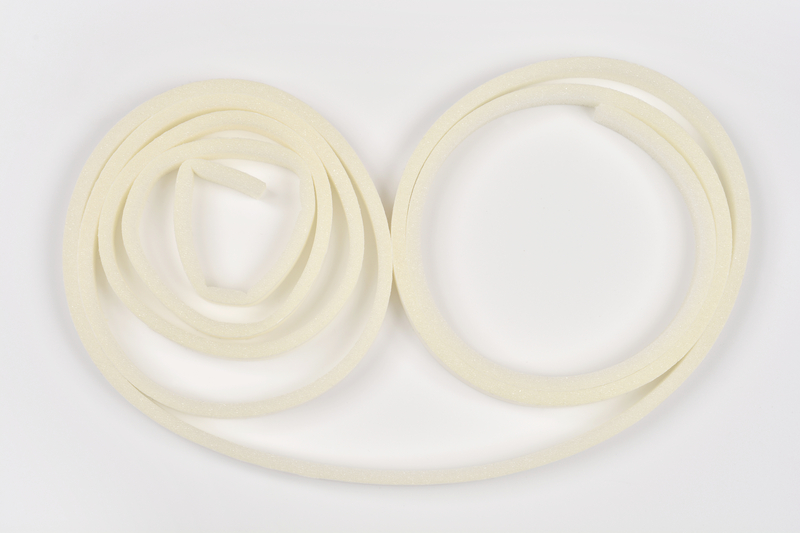
foam weather stripping
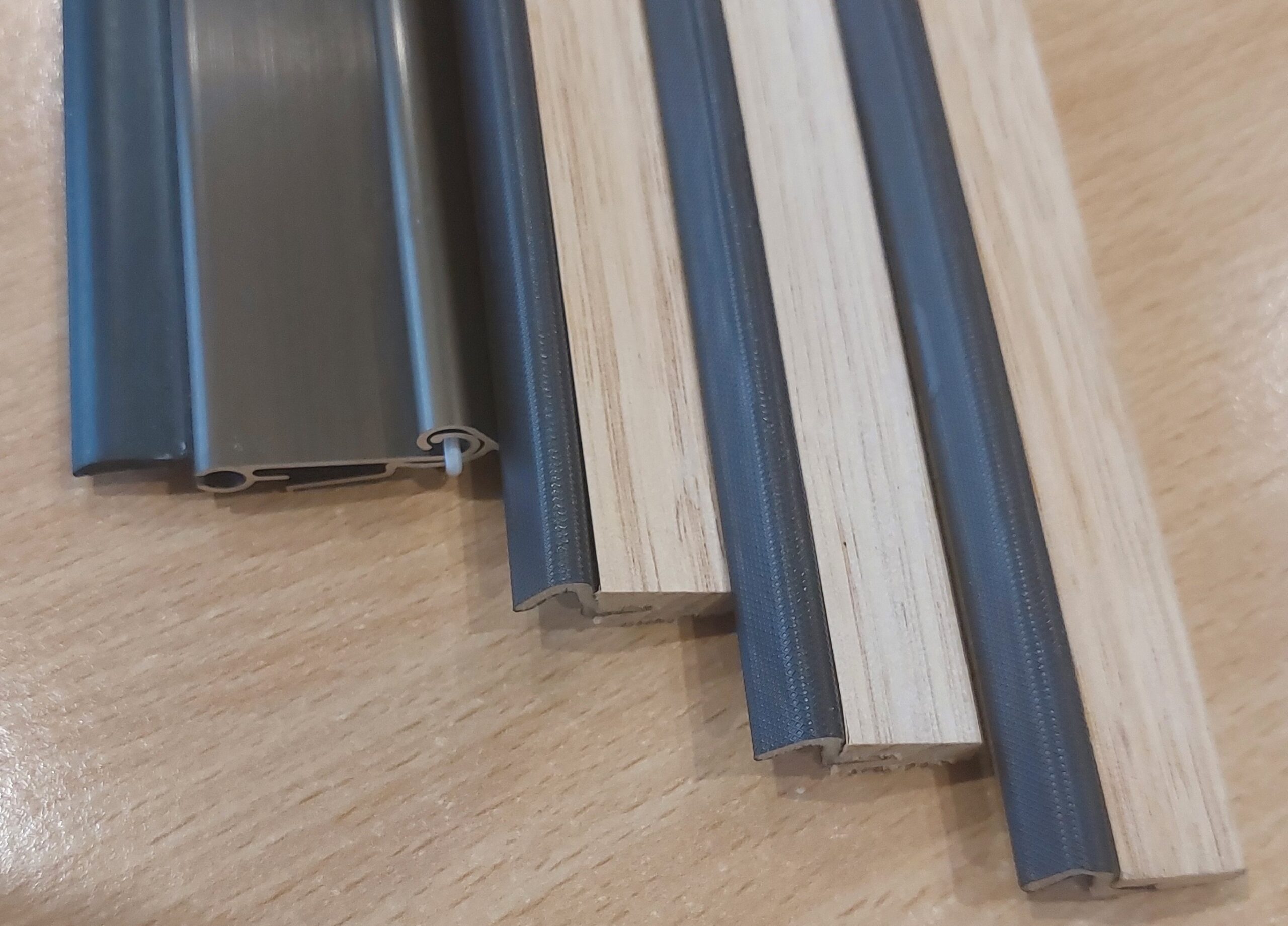
Draught Dodgers

Different draught sealing solutions
Can I Draught Proof My Home Myself?
Yes. You do not need to tackle the entire house in one heroic weekend. Start with the biggest air leaks and work through the home systematically.
A sensible order is:
- unused chimneys
- vents and leaky exhaust fans
- external doors
- windows
- gaps and cracks
Identify the opening. Understand whether it is needed. Measure the gap carefully. Choose the right product. Follow the installation instructions.
ecoMaster provides detailed videos and practical support because a very good product installed in completely the wrong place remains a completely wrong solution.
Where Should I Start?
I Want to Investigate My Whole Home
Use the Draught Proofing Information Hub to investigate chimneys, vents, fans, doors, windows, gaps and cracks.
I Want Someone to Guide Me Through It
Take ecoMaster’s Find and Fix My Draughts course and work through your home in a logical order. We can talk about draught proofing with a mouth full of marbles under water - it’s our ‘thing’. And it should be your ‘first thing’ to making your home more comfortable too! It is, most likely, the cheapest and most effective upgrade you can make in your home.
I Already Know What Is Leaking
Shop ecoMaster Draught Proofing Solutions
I Am Not Sure Which Product I Need
Call ecoMaster on 1300 326 627 or use the store chat www.ecoMasterStore.com.au.
You will reach a real person who understands the products - and, on some days, the person who invented them!