


Table of Contents
Many years ago, we moved to freezing Gisborne in Victoria. (It was July after all). It was bitterly cold inside the house. Outside was not much better. 🙁 We had moved from Sydney (via London) and were completely unprepared for the way cold behaves in the southern states of Australia. It did not politely stay outside where it belonged. It came in under the doors, around the windows, through the ceiling, and, quite possibly, through sheer determination. It.was.cold.
The kids were wearing their puffer jackets, beanies and gloves just to eat breakfast. Inside the house. At the table. Like a tiny expedition team preparing for porridge. They were crying and asking to go back to London “because it was warmer there!!” Maurice had filled their heads with how sunny and warm Australia is … neglecting to mention living near Melbourne might be a tad different.
So, things had to change. And fast. Naturally, we started where everyone starts.
The front door.
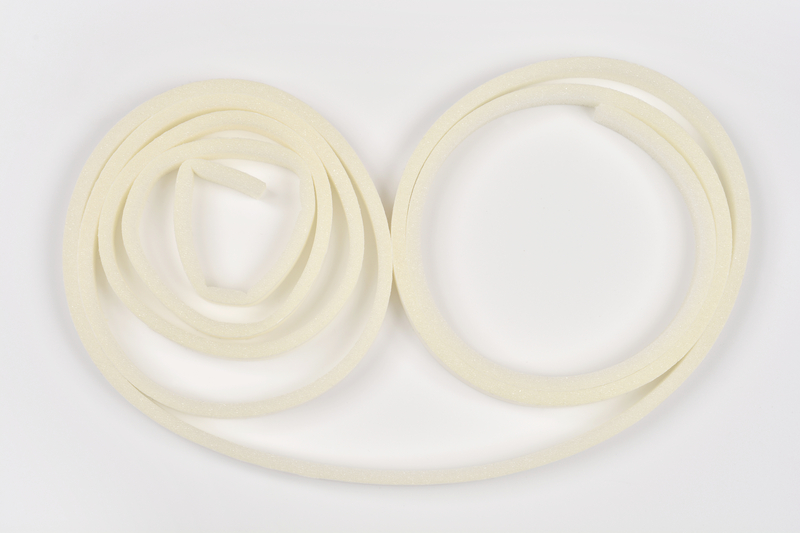
Because when you are standing in your hallway and you can feel the Antarctic blowing in around the door, it seems like the obvious place to begin. We went to the hardware store and bought the sticky weather stripping stuff. You know the one. It looks harmless enough in the packet. It promises an easy fix. It gives you that small but powerful feeling that you are about to solve a household problem for a few dollars.
Maurice dutifully cleaned the door, applied the seal and I applied the coffee. He stood back to demonstrate to the whole family what a great job he had done, and how we would now be warmer because the icy blast was no longer coming under the door.
Given the house was still freezing, and the children were still dressed as though they were waiting for a chairlift (but without the skis), we were slightly bemused but grateful for the attempt.
Life rolled on. The next day we went off to build our kids’ school. (It’s a long story). And then Nanna rang us on the building site. “I can’t shut the door!” she lamented. Maurice schlepped home and removed the offending stick on door seal. Door - 1. Gisborne - 0.
And so started our search for a better door seal for our front door. One that stopped the draught, preferably. But also one that Nanna could close, which as it turned out, was an important design requirement.
Why the Sticky Foam Goes Wrong
At first glance, those cheap sticky door seals make perfect sense. There is a gap. You stick something into the gap. The gap is gone. Everyone is warm. Cue applause.
Except doors are not that simple.
Real doors rarely have a nice, even gap all the way around. They move. The house moves. The timber swells and shrinks. The hinges drop a little over time. The frame may not be perfectly square. The door may have had several decades of weather, paint, repairs, children, dogs, school bags, slamming and general family life inflicted upon it.
So the gap around the door is often different depending on where you look.
It might be tight at the top, wider down one side, almost touching near the latch and then gappy enough at the bottom to invite in a small weather system - which ours certainly did!
That is the first problem with the cheap sticky stuff. It is the same thickness all the way around. That sounds sensible until you try to use it on a door where the gap is not the same size all the way around. If the seal is thick enough to fill the biggest gap, it is too thick for the smaller gaps. So when you try to close the door, the door hits the seal.
Then you push harder, then someone else pushes harder, then someone starts slamming it. Then someone else complains that the door is stuck or that someone keeps slamming the door! Then Nanna rings because she can’t shut the front door. At that point, the draught seal is no longer a draught seal. It is a major household incident.
The Crush Zone
The other problem is where the sticky seal sits. A lot of those cheap seals go right where the door closes. That means every single time the door opens and shuts, the seal gets crushed. At first, it feels quite firm and impressive. You think, “Good. That must be sealing something” (and Maurice was very proud of the ‘thunk’ when HE closed the door).
But over time, the seal gets squashed and it loses its shape. Then it stops bouncing back. Then it starts to peel away from the frame. The adhesive gives up, or worse, turns into that horrible black sticky goo that seems to have been developed in a laboratory for the sole purpose of ruining your paintwork.
The seal itself may not stay stuck, but the residue certainly does. Funny that. I have memories (or perhaps nightmares) of being called to help at a home back in the days when we provided draught proofing installation services. The team had been trying to peel off the black goo for hours and were behind schedule. They called for reinforcements and got ... Me! LOL. It is one of the worst jobs in draught proofing ever and the crew thought it was hysterical that their boss was labouring over removing this black sticky goo in the many doors on that client’s home. Talk about laugh! Actually, no. I wasn’t laughing.
Anyway, back to the point! So now you have a door that is harder to close, a seal that is slowly giving up, and a sticky black reminder of your optimistic little hardware store purchase.
AND after ALL that, cold air may will still be coming in. That is the bit that feels particularly irritating.
The Problem Was Never Just “A Gap”
This is the point that we eventually came to understand. The problem with draughty doors is not simply that there is a gap. The problem is that the gap is usually variable.
That means the gap changes as it goes around the door. It is not one neat, even, predictable space. It is a bit of this, a bit of that, tighter here, looser there, and why-on-earth-is-it-doing-that down the bottom. A cheap sticky seal is not very good at dealing with that sort of problem because it is trying to give one answer to several different questions.
Where the gap is small, it can be too thick and make the door hard to shut. Where the gap is large, it may not seal properly at all. Where the door closes against it, it gets crushed. Where the adhesive is under stress, it peels off. And where the glue fails, it often leaves behind a mess that makes you wish you had never started.
This is why people so often try to draught proof a door and end up thinking they have done something wrong. Often, they haven’t. They have just used the wrong kind of product for the job.
At the talks we provide around energy efficiency and specifically when the talk is around draught proofing, I often ask “Who has tried installing that sticky stuff around your door”? Normally, the whole room puts their hands up. Then I ask “Keep your hand up, if it is still in place and keeping the draught out”. Nearly all the hands go down. There might be one or two who have lucked it. But the failure rate is huge. It’s a crying shame that something that should be quick, easy and effective is actually none of those things.
The Nanna Test
That first Gisborne front door taught us a lot. At the time, it was very annoying. We were cold, busy, building a school, raising kids, running around like lunatics, and now we had a front door that had become a problem.
But it also gave us a very clear test for any future draught-proofing product.
Can it stop the draught? And can Nanna still shut the door?
Because if the answer to the second question is no, the first one does not really matter.
A front door has to be usable. It has to open and close easily. It has to latch properly. It has to be manageable for children, older people, visitors and anyone else who might reasonably expect a door to behave like a door.
It should not require a shoulder charge. It should not require a special technique. It should not come with a family briefing!! And it definitely should not trap Nanna on the wrong side of it.
This Is Why Proper Door Sealing Works Differently
A proper door seal system needs to work with the door, not fight against it.
That is why our Door Draught Proofing Kits are designed to seal up to a 10mm variable gap around the sides and top of the door.
That “variable gap” part is important. It means the seal is designed for real doors. Not perfect showroom doors. Not brand-new doors in perfectly square frames. Real Australian doors in real homes, where one part of the gap is doing one thing and another part is doing something completely different because apparently doors have hobbies.
The kit is fitted neatly to the door jamb and is designed to seal the gap without turning the door into gym equipment. It is not just a strip of sticky foam sitting in the crush zone, hoping for the best. It is a proper perimeter seal that can be adjusted to suit the way the door actually sits in the frame.
And because it is fitted neatly, with mitred joins, it also looks like it belongs there. Which matters to many, many people. And while we are talking aesthetics, it comes in three colour options - raw timber (you can stain or paint), white aluminium and black aluminium. The aluminium options are great for doors exposed to full weather.
The front door is the entrance to your home. It is the first thing people see. It is not really the place for a sad strip of foam peeling off in the corner like it has lost the will to live. A good door seal should do its job quietly. It should stop the draught, look neat, blend with the joinery, and let everyone get on with their lives without irritation. Including Nanna.
What About Under the Door?
The bottom of the door is a separate issue, and this is where a lot of people get caught.
Cold air can absolutely come in under the door, but the right seal for the bottom depends on the door, the threshold, the size of the gap, whether the floor is level, whether you need easy access for prams, walkers or wheelchairs, and whether you need a BAL-rated solution.
This is why one sticky strip is not the answer to every draughty door problem.
The sides and top of the door need one type of sealing. The bottom of the door needs another. That might feel a little less convenient than grabbing one packet from the hardware store, but it is much more likely to actually work. And work without causing a family incident.
Check out the options for under door seals here. If you want an all-in-one kit to solve your door problem, check out this guide.
So, Should You Ever Use the Cheap Sticky Stuff?
Look, the cheap sticky stuff has its place.
Maybe on a small internal gap. Maybe on something very even. Maybe somewhere that does not get much use and where nobody will be ringing you to report that they cannot shut the door.
But for front doors, back doors, laundry doors and other external doors that are opened and closed all the time, it is often not the best solution. Especially if the gap is uneven. Especially if the door is already a bit tight. Especially if you care what the finished result looks like. And especially if you want the door to keep closing easily after you have draught proofed it. Which seems fair.
The Moral of the Story
If you have tried a cheap sticky door seal and your door is now hard to shut, you have not failed at home improvement. You have probably just discovered the same thing we did, standing in freezing Gisborne with children in puffer jackets and Nanna unable to close the front door.
The cheap sticky stuff is trying to solve a more complicated problem than it was designed for. A good door seal needs to cope with uneven gaps. It needs to sit in the right place. It needs to keep its shape. It needs to stay put. It needs to look decent. And most importantly, it needs to let the door keep doing its main job.
Opening.
Closing.
Keeping the weather outside and not trapping Nanna.
Ready to Stop Fighting Your Front Door?
If cold air is coming in around your front or back door, start by checking the gaps around the sides and top. If they change as you move around the frame, you are dealing with a variable gap.
That is exactly what our door kits are designed for. It seals up to a 10mm variable gap around the sides and top of your door, looks beautiful on your door frame, and lets the door close properly. Even for Nanna.
Need help choosing the right seal?
Start here: Choose the Right Solution for Your Draughty Door.
People Also Ask:
⇒ Where can I learn more about this from an industry expert?
ecoMaster has been working in the energy efficiency/retrofit arena for over 20 years. During that time, we learned an enormous amount about diagnosing issues, distinctions on various products, as well as developing the best installation practices. We have done the research, so you don't have to. All that information has now been condensed into a series of ecoMasterClasses. Click here to gain access.
⇒ Why do cheap door seals make doors hard to shut?
Cheap door seals are often the same thickness all the way around, but real door gaps are usually uneven. If the seal is thick enough for the largest gap, it may be too thick for the smaller gaps, which can stop the door from closing easily.
⇒ Why do sticky door seals peel off?
Many sticky seals sit where the door closes, so they get crushed every time the door is used. Over time, the seal can flatten, the adhesive can fail, and the seal can start peeling away from the frame.
⇒ What should I use instead of a cheap sticky door seal?
For external doors, a proper perimeter door sealing kit is usually a better option. It is designed to handle uneven gaps, seal more reliably, look neater and last longer.
What’s Next?
We hope this article has helped you understand why cheap sticky door seals can make your door hard to shut, and why the right door sealing system makes such a difference.
Next, explore How to Measure Your Door Gaps Before Buying a Door Seal.
If you found this article helpful, then please subscribe to our YouTube Channel. You’ll find many more helpful “How To” videos there. You can also follow us on Facebook and Instagram to stay in the loop. For more great information on how to make your home more energy and thermally efficient subscribe NOW to ecoBites. ecoBites are free bite size chunks of the latest energy efficiency information making it quick and easy for you to absorb.
Recent Comments