


MAKE YOUR HOME ENERGY EFFICIENT
MAKING YOUR HOME THE MOST
COMFORTABLE PLACE ON EARTH
MAKE YOUR HOME THERMALLY ENERGY EFFICIENT
MAKING YOUR HOME THE MOST
COMFORTABLE PLACE ON EARTH
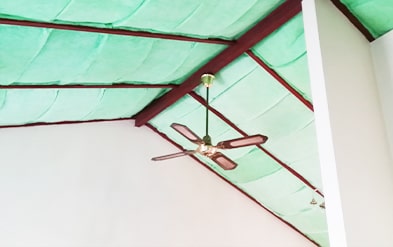
We help you make your home more thermally energy efficient, so it is comfortable in all
weather extremes, bushfire smoke proof, has tiny energy bills and minimal carbon emissions
with step-by-step video instructions to make it easy. Order from our online store here.
All of our orders are delivered to your door for your convenience. We do offer two locations for
collection of insulation only orders – one in Melbourne and one in Sydney. Insulation can also be
delivered to just about any location around Australia.

THE DIY ENERGY EFFICIENT HOME PROJECT MAGAZINE


Join Our ecomasterclass
with Maurice beinat
How to Get a Great Result from Your Retrofit
As recognition of the value of our “in the trenches” experience, the ecoMaster Youtube channel is the fastest growing energy efficiency Youtube channel in the country. You can search by topic to find the answers you need. If you can’t find what you are looking for.
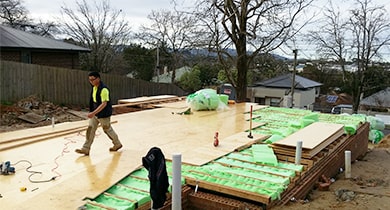
Assessments and Installations

Maurice and Lyn Beinat
Founders of EcoMaster
We Are Here To Help Existing
Australian Homes Become
More Thermally Energy Efficient
We Have Helped Over 20,000 Homes In The Past 20 Years
What Our Customers Are Saying


Edward

Viv

Trivess
Edward
Viv
Trivess
Featured On

Awarded by
Featured On

Awarded by
An Energy Efficient Home Is
Warmer In Winter,
Cooler In Summer,
Is Cheaper To Run And
Is Much Better For The Environment.


For information on how to make your home more energy and thermally efficient subscribe NOW to our ecoBites.
Free bite size chunks information, quick and easy for you to absorb. Right to your inbox.
You can unsubscribe at anytime. Join the thousands of others enjoying ecoBites.

Location
Unit 14, 1 Bell Street, Preston 3072
Collect when order is ready
Tuesdays and Fridays 8 AM to 3 PM
Get Your Free Insider Secrets Magazine
To making your home more energy efficient.

Stay Connected With ecoMaster
Copyright © 2023 ecoMaster ABN: 80 003 592 069 | The Experts In Thermal Energy Efficiency
Terms Of Use | Privacy Policy | Disclaimer