


Know Your Window
The No-Judgement Guide to Identifying and Dealing with YOUR Windows
Summary:
- Identify your windows
- Step 1: How does your window open?
- Step 2: What is the frame made of?
- Step 3: Still Don’t Know?
- Why you should draught proof your windows
- Think about window insulation
- Consider window coverings
- External Shading - critical for summer protection
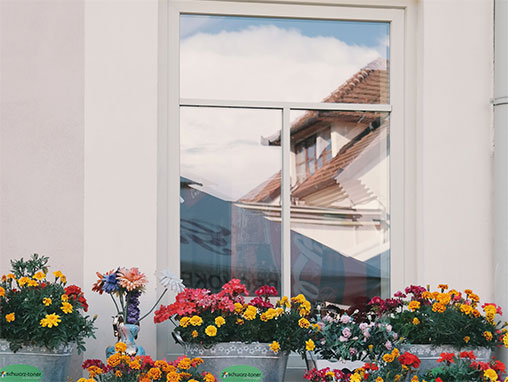
Identify your windows:
If you’ve ever tried to explain your window to a tradie or your property manager and ended up saying, “It’s… just a normal window?” — welcome. You’re not alone.
Most people don’t know window “types” because nobody walks around thinking, “Ah yes, a classic casement.”
So let’s do this the easy way:
Step 1: How Does it Open?
Does it not open at all?
If it’s sealed shut like it’s part of the wall and there are no handles, latches, tracks or winders, you’ve got a:
✅ Fixed window (non-opening)
Common places: stairwells, feature windows, big “picture” windows.
Fun fact: These are often the least draughty… unless the seals are old or the install was dodgy.

Does it slide sideways left or right?
If the glass panel moves horizontally and you can usually see a track at the bottom, that’s a:
✅ Sliding window
Quick spot: look for a bottom “train track”.
Classic behaviour: tracks fill up with dust → window gets crunchy → everyone hates it.

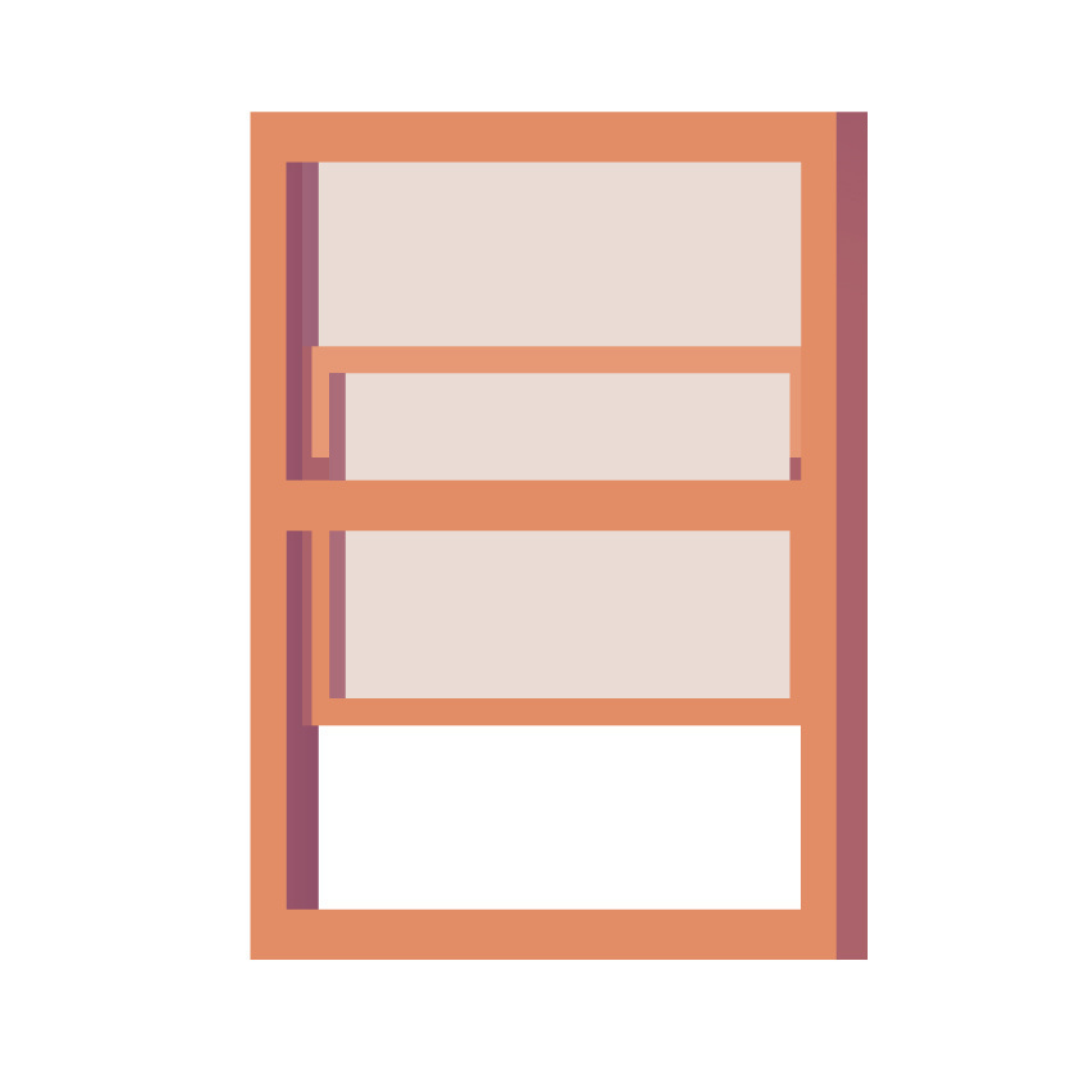
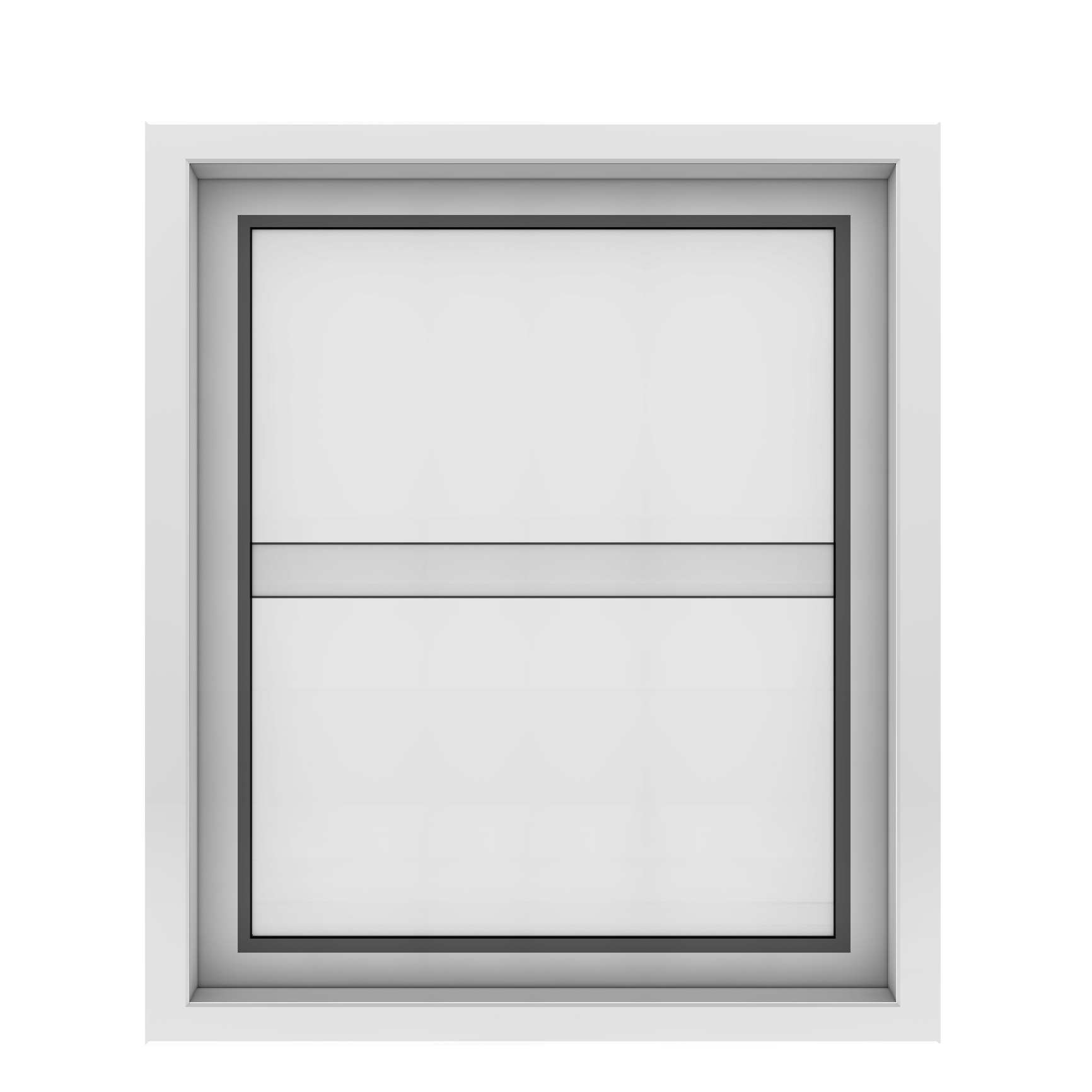
Does it slide up and down?
If the window moves vertically (usually the bottom goes up, sometimes the top comes down too), you’re looking at a:
✅ Double hung window (also called a sash or “push up” window)
Quick spot: it’s usually two stacked sections of glass, one above the other.
Classic behaviour: rattles in wind, sneaky gaps at the meeting point, and paint that glues it shut (well at least the top section has normally been painted shut over the years).
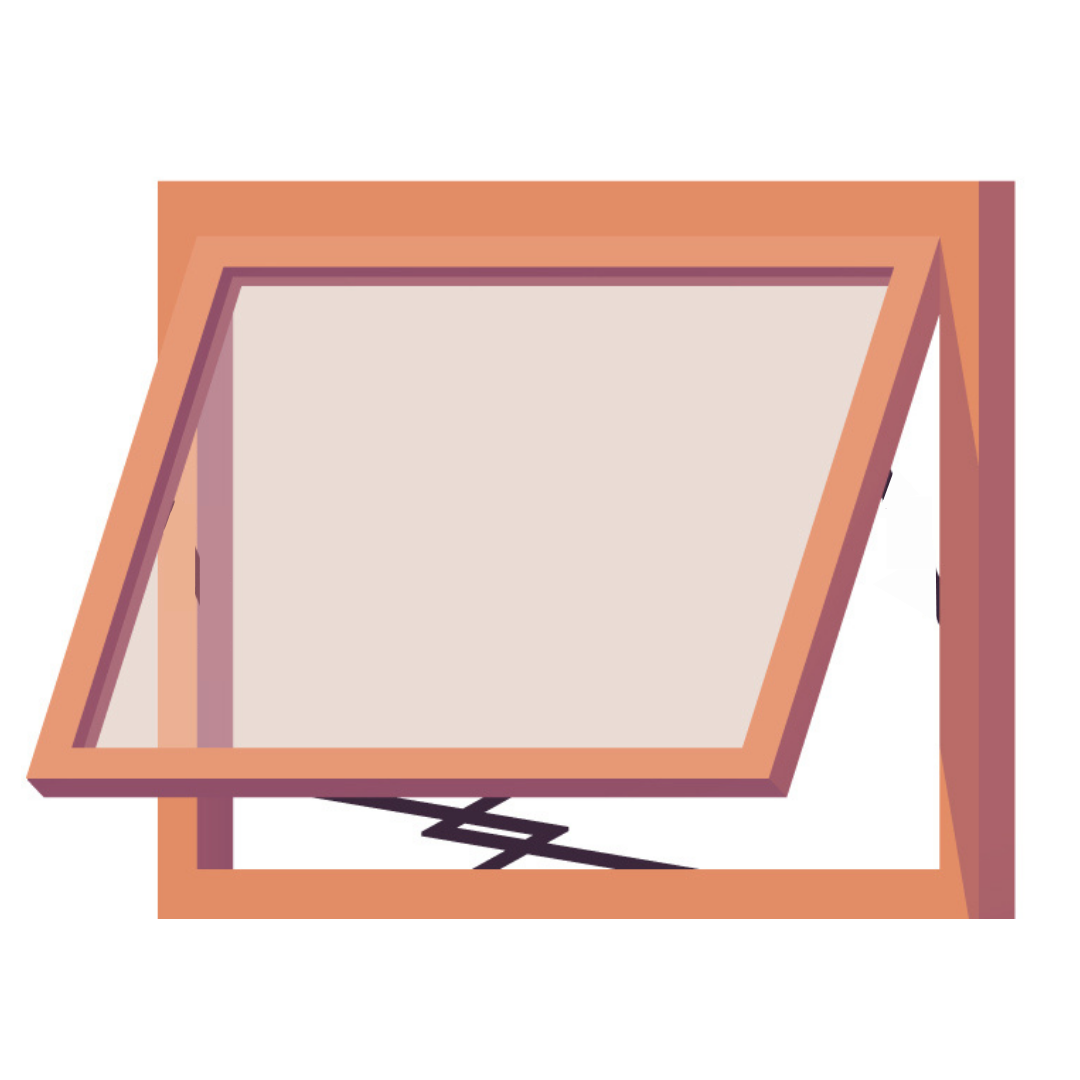
Does it push out from the bottom (but stays attached at the top)?
This is the one people often lump in with casements, but it’s technically its own thing.
✅ Awning window (top-hinged)
Quick spot: the top edge stays fixed, the bottom pushes outward, often using a winder.
Classic behaviour: good ventilation even in light rain (it’s basically wearing a tiny hat).
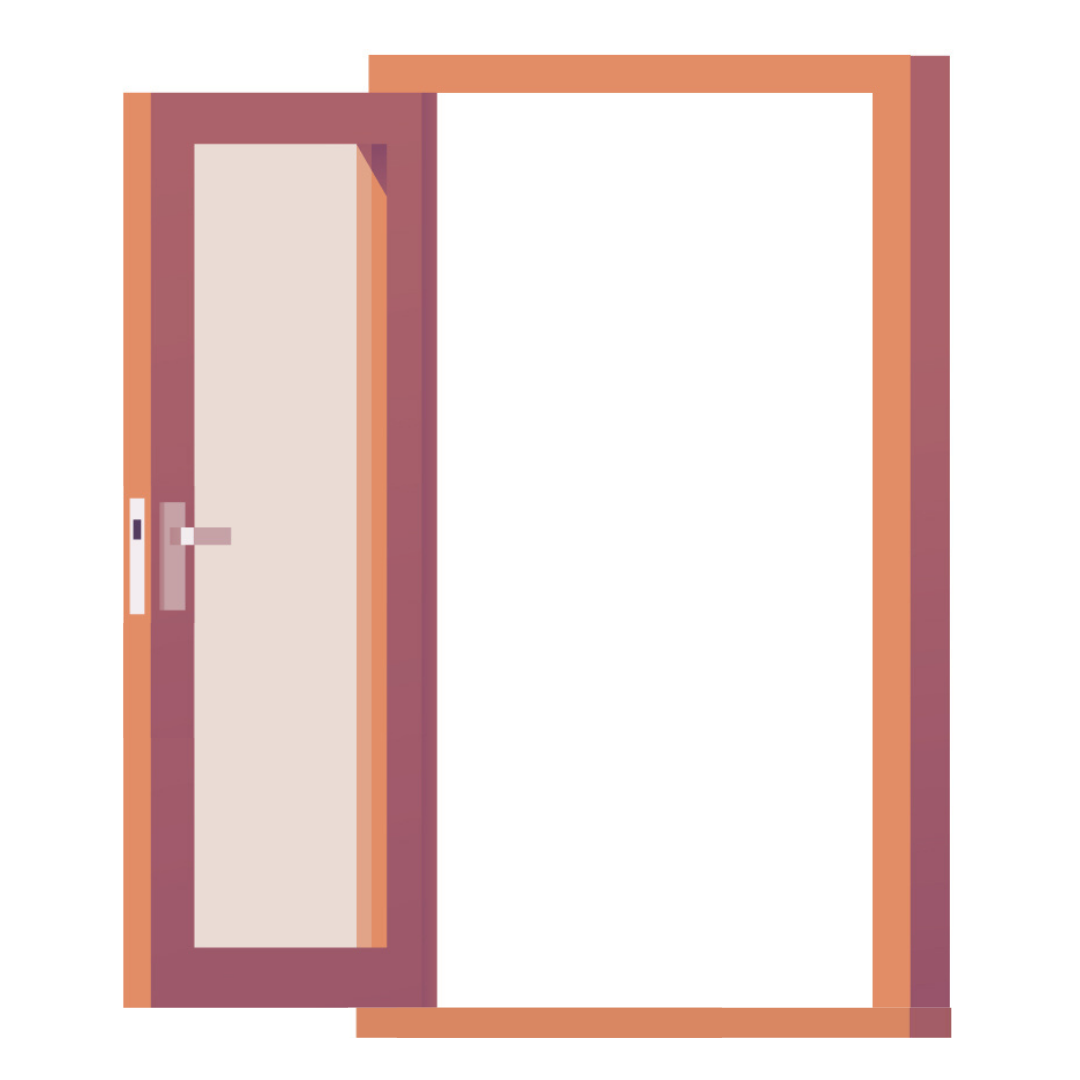
Does it swing open like a door?
If the whole panel swings open on side hinges (left or right) — outward or inward — that’s a:
✅ Casement window (push-out style)
Quick spot: look for hinges on one side and a latch that pulls it tight.
Classic behaviour: great airflow, but wind can grab it like a sail if it’s open.
Does it feel like it’s mostly glass with barely any frame, and the opening mechanism is… mysterious?
If it looks sleek, modern, and slightly smug, and the frame is minimal, you may have:
✅ Frameless / Shugg window (various opening styles)
Quick spot: very little visible frame + discreet hardware.
Classic behaviour: looks amazing, but can be difficult to draught proof
The 10-second cheat sheet
- Doesn’t open at all → Fixed
- Slides sideways → Sliding
- Slides up/down → Double hung (sash)
- Top stays attached, bottom pushes out → Awning
- Swings open like a barn door → Casement
- Looks like just glass → Frameless/Shugg
Step 2: What the frame is made of
Once you know how it opens, identifying the frame helps with comfort, condensation and what kind of sealing works best.
Knuckle test: Thunk = timber. Tink = aluminium.
Timber framed windows:
- Feels warmer
- Often painted
- Can swell, stick, or rattle over time
Aluminium frame:

- Feels colder to touch
- Usually has brush seals
- Tracks and corners look “manufactured”
- Can show condensation more readily in winter
Step 3: Still Don’t Know What Kind of Windows You Have?
If your window still refuses to be identified, send a photo to www.ecoMasterStore.com.au (chat window). We will name it together!
Why you should draught proof your windows (even if they “seem fine”)
Once you know what kind of windows you’ve got, the next question is simple: are they quietly leaking comfort? Because even a “tiny” draught isn’t tiny when it’s running for hours, day after day. Those small gaps around sashes, tracks and seals let warm air escape in winter (and hot air creep in during summer), which is why a room can feel chilly even when the heater’s doing its best work.
Draught proofing is one of the quickest ways to make your home feel more stable and liveable — less of that annoying cold air washing over your ankles, fewer rattles and whistles, and often a noticeable reduction in outside noise sneaking in through the same gaps. It can also help cut down dust, pollen and smoky “outside air flavour” making its way indoors, which renters in particular tend to appreciate because it’s a practical upgrade without needing to replace the whole window.
If your home feels chilly, noisy, dusty, or like it can’t hold a steady temperature, your windows are a great place to start. Draught proofing is one of those rare upgrades that’s both sensible and immediately satisfying, like finally finding the remote… but for comfort.
Because every type of window needs a different type of draught proofing, we have put together this handy guide….
| How Does it Open | Window Type | How to Draught Proof | How to Insulate | |
| Doesn’t open at all | Fixed | Gap Filler | (for timber frames) |
| Slides sideways | Sliding | EMV | Coming Soon |
| Slides Up and Down | Double Hung | Double Hung Kit | Coming Soon |
| Push out from the bottom | Awning | Awning Window Kit or EMV | (for timber frames) |
| Swings Open Like a Door | Casement | Awning Window Kit or EMV | (for timber frames) |
| Looks like just glass | Frameless / Shugg | Frameless / GCE6 | None |
Think about window insulation (secondary glazing)?
If draught proofing is about stopping air leaks, window insulation is about stopping temperature transfer; and that’s where secondary glazing really shines. Even when a window is perfectly sealed, a single pane of glass still lets heat move through it far too easily, which is why you can feel that “cold radiating off the window” in winter (and the opposite in summer).
Secondary glazing adds a discreet internal panel that creates an insulating still air layer, helping your home hold a steadier temperature, improving comfort near windows, and often reducing outside noise at the same time. It’s also a smart option for many renters and older homes because you can upgrade performance without ripping out existing windows or changing the look from the street. If you want a serious comfort boost beyond draughts alone, our ecoGlaze range is designed to suit common Aussie window styles. You can choose the option that fits your window types without turning your home into an overpriced renovation zone. After all, what you want is a still air layer, not a bigger mortgage.
Consider Window Coverings
Window coverings do a lot more than look pretty. Chosen well, they help keep your home warmer in winter, cooler in summer, and noticeably less “draughty” near the glass. Whether you’re battling harsh afternoon sun, losing heat overnight, or trying to nurture a room that never quite feels right, the right window covering can make a real difference without major renovation. Here’s how to choose the best option for your windows, your climate, and your lifestyle — including renter-friendly ideas that still pack a punch. Link here
External Shading - Critical Summer Protection
External shading is the first line of defence against summer heat, because the best way to keep a home cool is to stop the sun hitting your glass in the first place. When sunlight pours through unshaded windows, it can quickly overheat rooms and force your air conditioner to work overtime. The right external shading can dramatically reduce heat gain, cut glare, protect furnishings from UV, and make indoor temperatures feel calmer and more consistent. Here’s how external shading works, where it matters most, and how to choose the right option for your home. Link here