


Stop the Sneaky Draughts: Draught Proof Your Awning & Wind-Out Windows
Awning and wind-out (casement) windows are usually the “good kids” of the window world. They open wide, latch shut, and behave beautifully for years.
Then one day… they don’t.
A faint whistle. A cold breeze near the glass. A rattle when the wind picks up. Or that classic feeling of your heater working hard while the room stays suspiciously unimpressed.
The good news? You almost never need to replace these windows. You just need to seal them the right way; because outward-opening windows don’t respond well to the “slap-on foam tape and hope” approach. Awning windows generally develop quite uneven gaps around their edges, so a single dimension foam strip just won’t seal them effectively.
What Problem Are We Trying to Solve?
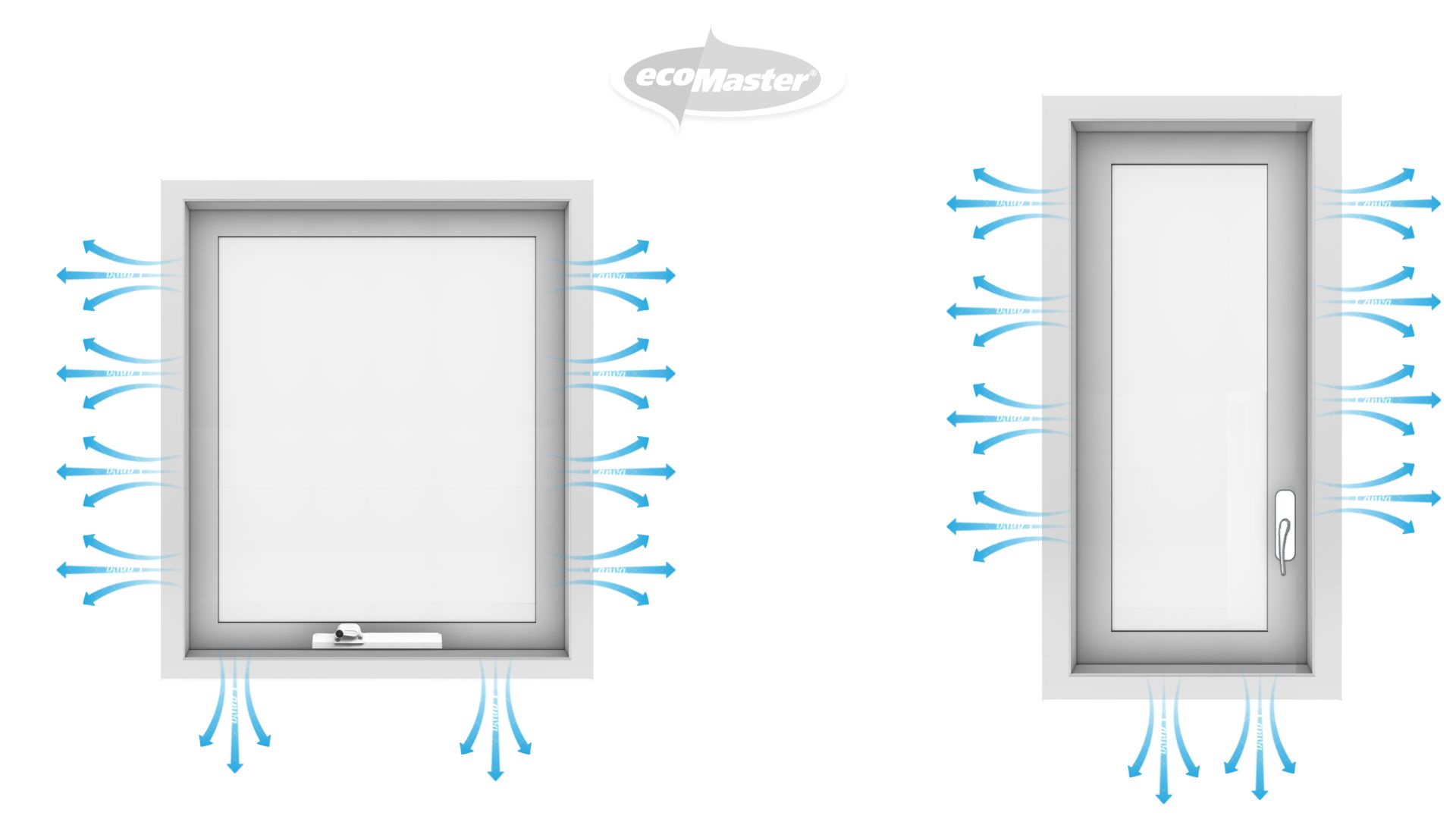
With awning and casement windows, the draught isn’t “through the glass”. It’s almost always around the opening sash, where the window is meant to compress tightly against the frame when it latches.
With timber windows things move over time. Timber can warp slightly. Gaps become uneven. Seals (if there are any!) flatten out. Frames settle. That’s when you get:
- Cold air creeping in around the sash in winter
- Cool air escaping in summer (hello, higher air con bills)
- Dust, pollen, smoke and outside noise sneaking through
- Rattling or movement on windy days
- Rooms that won’t hold a stable, comfortable temperature
So exactly where are the air leaks coming from?
Awning (top-hinged) and casement (side-hinged) windows are compression windows. When you close and latch them, the sash should squeeze against the frame all the way around.
But if your gaps are uneven (tight in one spot, wider in another), most generic weather stripping fails for two reasons:
- Foam tape compresses unevenly, so it seals one section and leaves another section leaking.
- Thick seals can stop the window closing properly, which means the latch doesn’t pull the sash tight and you can accidentally create a bigger leak than you started with.
Translation: the most common DIY attempt often makes these windows harder to close, more annoying to live with, and still draughty.
A bit of fun (because this is real life):
If you’ve ever had to “shoulder-check” an awning window to get it to latch after adding foam tape… you’re not alone. That’s not you doing DIY wrong - that’s the wrong sealing method for this window type.
How do we fix it properly?
If you’re tired of shivering near the window, hearing a whistle on windy nights, or feeling like your home is “leaking comfort”, this DIY project is for you.
Draught Dodgers for Wind-Out | Awning | Casement Windows are a purpose-designed sealing system that creates a continuous perimeter seal without wrecking how the window closes.
They’re made to work with outward-opening windows - not against them.
✅ Shop the kit here:
What’s in the Kit?
Everything you need to seal one awning/casement window (size dependent), including:
- Pre-cut architectural mouldings (choose Raw Timber or White Aluminium)
- Strong adhesive backing (no brad gun needed)
- Mouldings fitted with flexible, long-life compressive seals
- Step-by-step video to help you get a neat, professional finish
This is the “proper” way to draught proof outward-opening windows, adapted for DIYers who still want it to look seamless.
How to Install Draught Dodgers for Awning & Wind-Out Window
Installation is straightforward and oddly satisfying — no special skills required.
Prefer to watch?
Prefer to read?
- Prep the window
Clean the frame thoroughly so the adhesive sticks well. Check the window opens and closes properly first. Draught proofing won’t fix broken hinges, a bent winder, or a latch that’s already struggling. - Fit the mouldings
Measure carefully, cut neatly, then apply the mouldings so the brush seals sit exactly where the sash compresses as it closes (use the fitting packer in the kit - and please watch the video). - Test & admire
Close and latch the window. It should feel snug, but not forced. Open and close it a few times. - Now do the very scientific test: stand near the window and enjoy the fact the breeze has stopped trying to redecorate your living room.
Why ecoMaster’s Draught Dodgers Work (When Other Solutions Don’t)
Most off-the-shelf weather stripping doesn’t suit outward-opening windows because it doesn’t handle uneven gaps and it interferes with compression and latching.
Draught Dodgers are different. They’re designed to:
- Seal the perimeter continuously (not a patchwork of tape)
- Compress cleanly when latched
- Keep the window operating smoothly
- Look tidy and intentional once installed
No wrestling match. No ugly foam edges. Just a window that behaves.
Common Questions and Troubleshooting
Will it make my window harder to close?
Not when installed correctly. This system is designed to compress as the window latches, rather than “blocking” the sash like thick foam tape often does.
What if my gaps are uneven?
Perfect. Uneven gaps are normal on real homes (especially older timber). Brush-style sealing is far more forgiving than foam.
Will it help with noise?
Sealing air gaps often makes a noticeable difference to whistling, rattles, and high-frequency outside noise. It won’t replace acoustic glazing — but it’s a powerful first step.
Expert Tips
- Start with the rooms you actually live in: bedrooms and living areas first.
- If your main issue is “cold radiating off the glass” (not just draughts), draught proofing is step one. Secondary glazing is the next comfort upgrade.
- Draught proofing improves comfort, but keep appropriate ventilation where required (especially in rooms with gas appliances).
Ready to stop the draughts?
You’ve found the window type. You’ve found the leak path. Now it’s time to fix it properly.
✅ Shop Draught Dodgers for Awning & Casement Windows:
Related Resources
- Not sure if your window is awning/casement or something else? Jump to our window seal collection
- Draught proofing guide
- Consider Window Coverings - Link here
- Not sure if your window is awning/casement or something else? Jump to our window seal collection