


Table of Contents
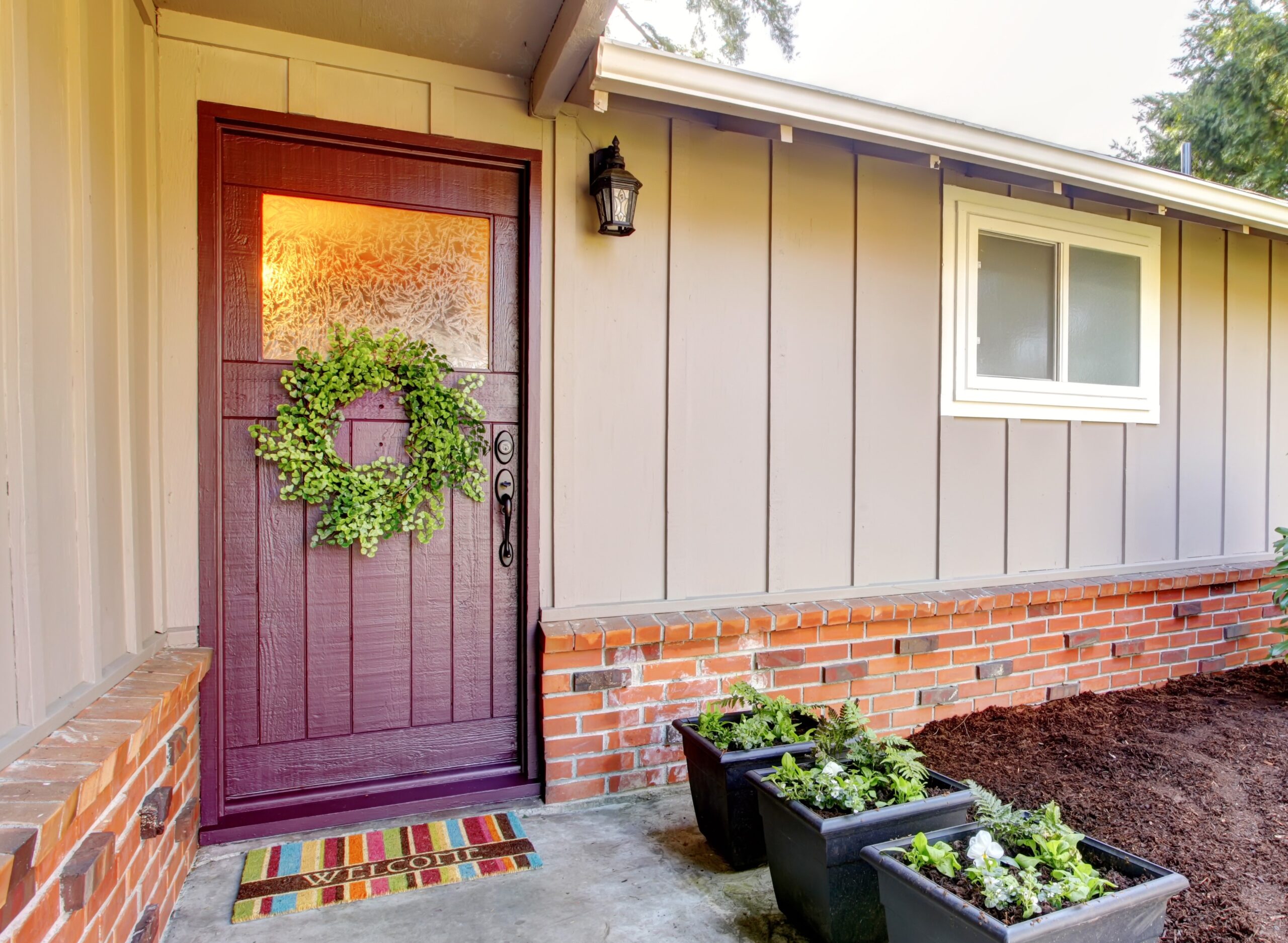
A cold draught under the door is hard to ignore.
You feel it around your ankles. You see the light coming through. You blame the gap at the bottom and think, “Right. I just need something along there.” So off you go - weatherstripping. Door snake. Stick-on strip. Brush seal. Maybe something from the big green shed that promises a quick fix. And sometimes it helps… a little.
But if your room still feels cold, your heater is still working overtime, or the hallway still feels like an arctic wind tunnel, there is a good reason.
Most door draughts are not just coming from the bottom of the door
The top. The corners. All those sneaky little gaps that quietly let cold air wander in like it owns the place.
That is why sealing only the bottom of the door rarely solves the problem properly. To stop the draught, you need to seal the door like a system. That means all 4 sides.
The Problem With Door-Bottom-Only Fixes
Door bottom seals are useful. We sell them. We use them. We like them when they are used in the right place. But they are not a complete draught proofing solution on their own.
A door is not just a gap at the bottom. It is a moving panel sitting inside a frame, and air will find any opening it can.
So when you only seal the bottom, the cold air often keeps coming through the sides and tops of your door. It is a bit like putting a beanie on but leaving your jacket unzipped. Better than nothing, yes. Is it cosy? Hmm - not quite.
A bottom seal can reduce the most obvious draught, but it cannot fix air leakage around the rest of the door. And in many homes, especially older Australian homes, those side and top gaps are doing a lot of the thermal damage to the comfort of your home.
Why Door Snakes Don’t Really Solve Door Draughts
Door snakes have been around forever. They are cheap. They are easy. They look like they should work. And to be fair, they can block part of the gap at the bottom of a door, especially if the door is closed and nobody touches it.
But there are a few problems.
First, a door snake only deals with the bottom gap. It does nothing for the sides or top of the door.
Second, it has to be in the right place every time. When it is moved, the draught comes back. When you open the door it gets pushed back, but it is not pulled back into place when the door is closed.
Third, it does not seal the corners properly. Those bottom corners are often where air sneaks through, especially where the door meets the frame.
Fourth, is your door snake a weapon or a snack? Our kids used our door snakes as play weapons! Sand everywhere - Nanna was not impressed! If the door snake is filled with rice, it’s a tasty, welcoming snack for rodents at the front door.
Fifth, if you opted for one of those soft double-sided rolls that slide under your door, make sure it doesn’t get wet. The moisture will wick through and quietly destroy the bottom of your door.
So yes, a door snake can help a little. But no, it is not proper draught proofing.
“But I Already Have a Door Snake…”
Okay. Keep it if you insist.
We have many reasons why you probably shouldn’t rely on it, but we are not here to start a fight with your door sausage. The important thing is this: don’t mistake a door snake for a complete door sealing solution.
If you really want to keep it, you still need to seal the top and sides of the door. That way, the door snake can deal with the bit it is capable of dealing with, while proper seals take care of the rest. Check them out here.
But if you want a cleaner, longer-lasting and less annoying solution, there are much better options. And they don’t need to be kicked back into place every time someone opens the door.
Why Cheap Sticky Door Seals Often Fail
Cheap stick-on foam seals seem like a brilliant idea at first. Peel. Stick. Done. Except real doors are not that simple.
Most door gaps are uneven. A door might be tight at the top, loose on the latch side, and gappy at the bottom. That is completely normal, especially in older homes. The problem is that cheap sticky foam is the same thickness all the way around. So if you choose a seal thick enough to fill the largest gap, it becomes too thick for the smaller gaps.
Then the door gets hard to shut. Very hard to shut.
So hard to shut that someone in the house gives up, pulls the whole thing off, and you are back where you started. Ask us how we know. ????
Before we knew better, we tried this at home. It made the door so hard to close that Nanna couldn’t shut it. That was not exactly the warm and welcoming household upgrade we were going for.
The Other Problem: Cheap Seals Get Squashed Over and Over Again
Nearly all the cheap seals sit right in the door jamb where the door closes. That means every time the door opens and closes, the seal gets crushed. Again. And again. And again.
Over time, the seal loses shape. It stops springing back. The adhesive gives up. The strip starts peeling. In hot weather, some glues soften or melt and can leave a sticky black mess on your door or frame.
Not very beautiful or durable. Not very “I’m so glad I spent my Saturday fixing that.”
A proper door sealing system should be designed for how doors actually move. It should seal the gap without making the door impossible to close, and without relying on flimsy glue to do all the hard work.
Why Sealing All 4 Sides Works Better
When you seal all 4 sides of a door, you are treating the door as a whole system.
That means you are not just blocking the most visible gap. You are reducing the air movement around the full door perimeter.
A good 4-sided door sealing system helps:
- stop cold air sneaking in during winter
- reduce hot air coming in during summer
- make rooms feel more comfortable
- reduce pressure on your heating and cooling
- help stop dust, smoke and insects getting through gaps
- make the door look properly finished
The goal is to create an even and effective door seal without having to slam the door shut everything you use it. That is the difference between a quick patch-up and proper draught proofing.
What Makes the ecoMaster Front and Back Door Kit Different?
Our Front and Back Door Draught Proofing Kit was designed because we were sick of the usual door sealing problems. This kit is designed for real Australian doors, including doors with uneven gaps and door bottom gaps up to 16mm.
It is fixed neatly to the door jamb, suitable for gaps of up to 10mm around your door and uses a proper sealing system against the door. It is made to look like part of the door frame, not like something you panic-bought from aisle 7 and slapped on one night because the hallway was freezing and everyone was complaining.
It also has pre-mitred joins, so the corners look clean and considered. And that matters to the aesthetics peeps. Because if you are going to put something on your front door, it needs to work beautifully and look beautiful.
The kit blends with your joinery, comes in quality finishes, and is designed to stay there for the long haul.
An automatic drop-down seal for under your door gives a cleaner finish and better performance, especially when you need the seal to lift as the door opens and drop when it closes. The Front and Back Door Draught Proofing kit includes 2 x Raven RP3 draught excluders. Around 80% of all Australian homes that have been draught proofed, would be using this type of draught excluder. After 20+ years of working with these draught excluders, we have never had to replace a single one (despite it carrying a warranty period of only 2 years).
What If You Need a BAL-Rated Door Seal?
Some homes need door seals that meet bushfire-related requirements. That does not mean you have to give up on draught proofing. You just need to choose the right product for the job.
This is where choosing properly matters. The right seal needs to suit the door, the gap, the way the door moves, and any compliance needs. A generic sticky strip is absolutely not the answer when BAL requirements are involved.
Click here for BAL door solutions
How Do You Know Which Door Seal You Need?
Start by looking at the whole door, not just the gap you can see at the bottom.
Check:
- Can you see daylight around the door?
- Is the gap bigger on one side than the other?
- Is the door hard to close already?
- Is the door timber, aluminium or another material?
- Does it open inward or outward?
- Is it a front door, back door, internal door, French door, cavity sliding door or something else?
- Do you need a BAL-rated solution?
- Is the biggest problem the bottom, the sides, the top, or all of the above?
Once you know what kind of door you have, you can choose the right sealing approach.
We have created an easy-to-follow door draught proofing selection guide.
Click here to check it out.
For many front and back doors, a full perimeter kit is the best starting point because it treats the door properly.
For other doors, you may need a different adventure.
French doors need a different approach.
Cavity sliding doors need a different approach.
Internal doors may need a simpler seal.
Large bottom gaps may need a specific sweep or brush seal.
And BAL-rated doors we have already discussed.
That is why we created a range of proper door sealing solutions rather than pretending one roll of sticky foam can fix every door in Australia.
Because it can’t.
Ready to Fix Your Draughty Door Properly?
Start with the doors you use most.
For many homes, that is your front and back doors (which might be your laundry door).
Our Front and Back Door Draught Proofing Kit is designed to seal the full perimeter of your door neatly and effectively, with a finish that blends beautifully with your joinery.
It is the better way to stop the chill at your door - without wrecking your door, or your budget, doing it.
People Also Ask:
⇒ Where can I learn more about this from an industry expert?
ecoMaster has been working in the energy efficiency/retrofit arena for over 20 years. During that time, we learned an enormous amount about diagnosing issues, distinctions on various products, as well as developing the best installation practices. We have done the research, so you don't have to. All that information has now been condensed into a series of ecoMasterClasses. Click here to gain access.
⇒ Do I need to seal all 4 sides of my door?
In most cases, yes. If you only seal the bottom, air can still come through the top, sides and corners. Sealing all 4 sides gives you a much better chance of stopping the draught properly.
⇒ Are door snakes good for draught proofing?
Door snakes can help block part of the gap under a door, but they are not a complete draught proofing solution. They do not seal the sides, top or corners of the door, and they need to be put back in place every time the door moves.
⇒ Why do cheap stick-on door seals make doors hard to close?
Most cheap stick-on seals are the same thickness all the way around, but real door gaps are uneven. If the seal is thick enough for the biggest gap, it may be too thick for the smaller gaps, making the door difficult to close.
⇒ What is the best way to stop a draught around a front door?
The best approach is usually to seal the full perimeter of the door with a proper door sealing system, then choose the right bottom seal if needed. This treats the door as a whole system rather than only fixing one part of the problem.
What’s Next?
We hope this article has helped you learn how to use simple ways to save on your utility bill. This in turn will help you on your energy and thermal efficiency retrofit journey to make your home more comfortable all year round, and reduce your costs and carbon emissions.
Next, explore the Comfort Series - Room by Room Rescue written as an easy to digest step by step retrofit approach.
If you found this article helpful, then please subscribe to our YouTube Channel. You’ll find many more helpful “How To” videos there. You can also follow us on Facebook and Instagram to stay in the loop. For more great information on how to make your home more energy and thermally efficient, subscribe NOW to ecoBites. ecoBites are free bite-size chunks of the latest energy efficiency information, making it quick and easy for you to absorb.

Fix the whole door, not just the bottom
Recent Comments